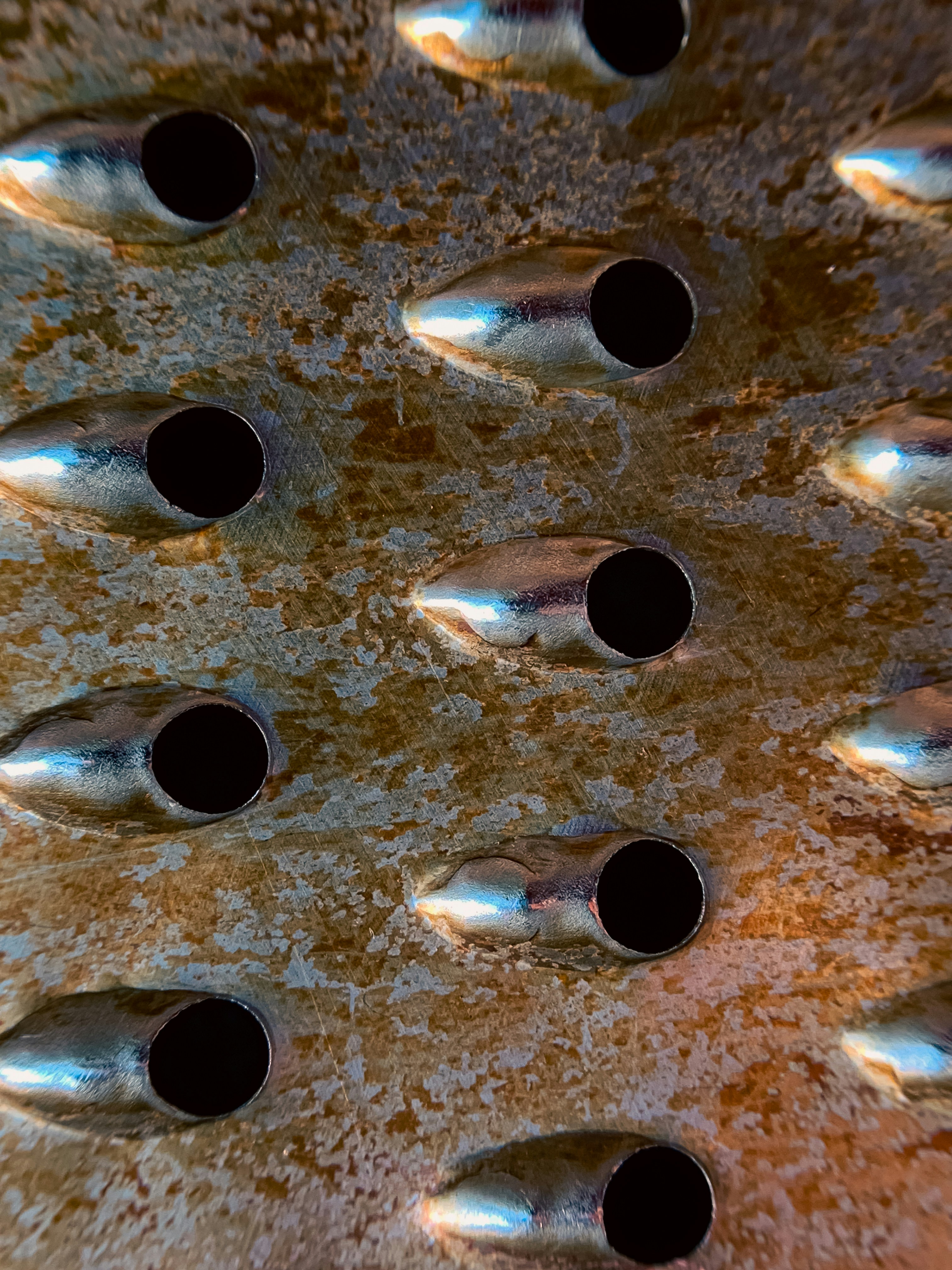
Understanding the Types of Holes in Steel
Steel is known for its durability, but it can still become damaged over time, leading to holes. These imperfections may arise from corrosion, mechanical stress, or accidental impacts. Recognizing the nature of the hole is the first step in determining the appropriate repair method. Small pinholes from rust, larger punctures, or cracks each require a different approach.
The Best Techniques for Repairing Holes
There are several reliable methods to repair holes in steel, depending on their size and severity:
- Welding: For larger holes or significant structural damage, welding is often the best solution. This method involves melting the steel around the hole and adding filler material to create a seamless patch.
- Using a Steel Patch: If the hole is moderate in size, using a steel patch can be an effective quick fix. Cut a piece of steel slightly larger than the hole, secure it in place with bolts or adhesive, and seal the edges with a suitable sealant.
- Epoxy Repair Kits: For small holes, epoxy repair kits are available. These kits contain a mixture that can be applied to the hole, which hardens to form a durable bond. They are easy to use and offer a quick solution.
- Riveting: In certain cases, especially in metalworking, riveting a cover plate over the hole can provide a strong and secure repair.
Preparation and Safety Precautions
Before embarking on any repair, ensure you take the necessary safety precautions. Wear protective gear such as gloves, goggles, and a mask if you are using welding or chemical products. Prepare the area by cleaning the steel around the hole to ensure a strong bond. Depending on the method chosen, you may also need additional tools and materials to complete the repair successfully.
By understanding these techniques, you can effectively restore the structural integrity of steel elements that have been compromised by holes. Assess the damage carefully and choose the best method that suits your repair needs.