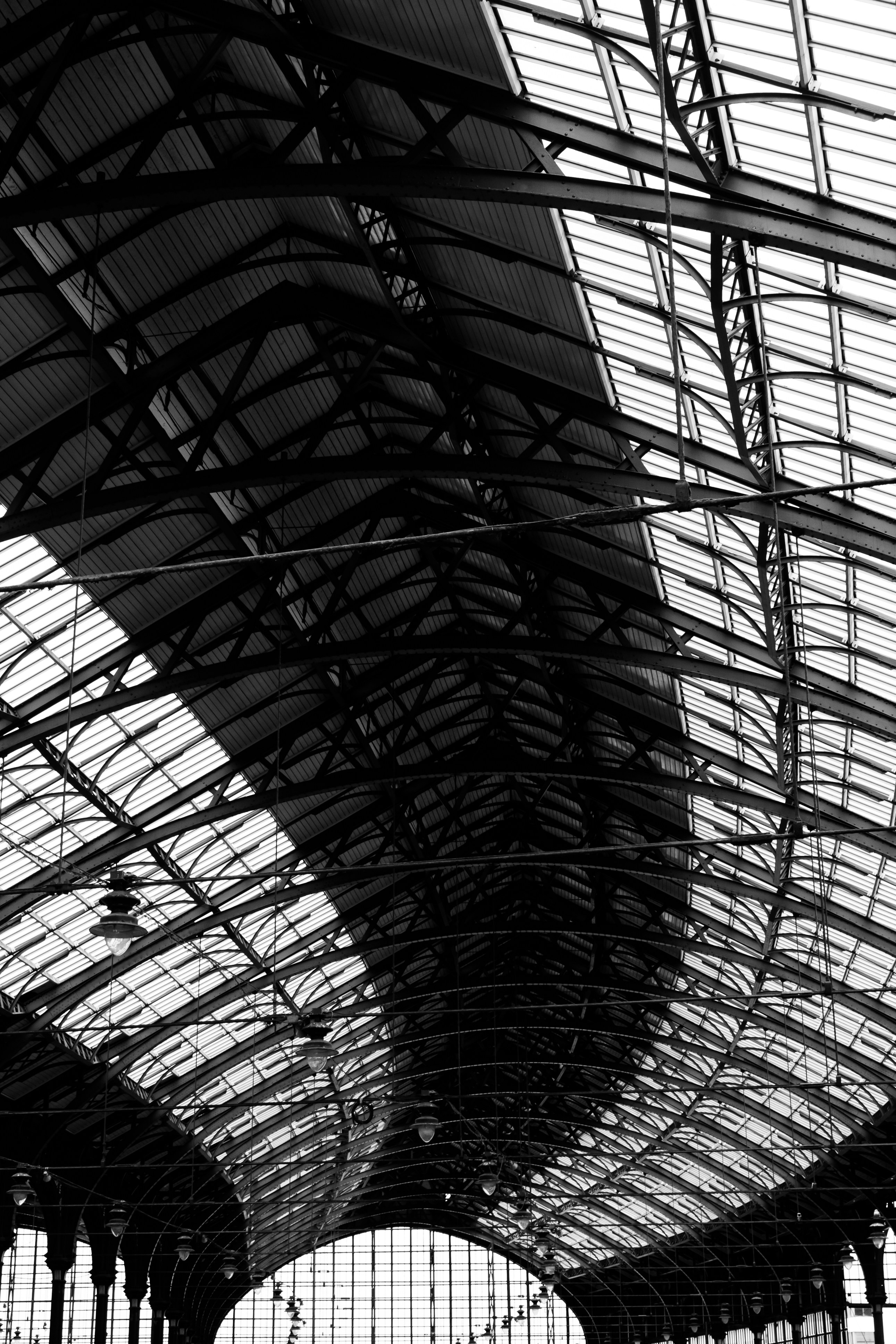
Understanding Architectural Metal Fabrication
Architectural metal fabrication is a crucial process in the construction and design industries, combining creativity with engineering. This process involves constructing metal components that are used in building various structures, such as facades, railings, and structural supports. The precision and quality of metal fabrication play a vital role in ensuring both aesthetic appeal and structural integrity.
Materials Used in Metal Fabrication
Several metals are commonly used in architectural metal fabrication, including steel, aluminum, and brass. Each material has unique properties that make it suitable for specific applications. For instance, steel offers strength and durability, making it ideal for structural elements. Aluminum, on the other hand, is lightweight and resistant to corrosion, often chosen for its ease of handling during installation.
The Benefits of Architectural Metal Fabrication
One of the key benefits of architectural metal fabrication is its versatility. Metal can be molded into a variety of shapes and sizes, allowing designers to push the boundaries of architectural creativity. Additionally, fabricated metal components can often be prefabricated, reducing assembly time on-site and enhancing construction efficiency. This approach not only saves time but also minimizes waste, making it a more sustainable choice for modern architecture.