The term “Grade 3 steel” does not refer to a single universal steel type. Instead, it is used within different standards and classification systems to describe steels with specific chemical compositions, mechanical properties, or applications. The exact meaning depends on the standard being referenced.
Why “Grade 3 Steel” Can Mean Different Things
Steel grading systems vary by industry and region. A “Grade 3” designation typically identifies a material within a specific standard rather than a broad category like mild steel or stainless steel.
Common systems include:
- ASTM standards
- SAE/AISI classifications
- Stainless steel grades
- Fastener and pressure vessel specifications
Understanding the standard is essential to determine the material’s properties.
Examples of “Grade 3” Steel Designations
1. ASTM A194 Grade 3

Type: Ferritic stainless steel
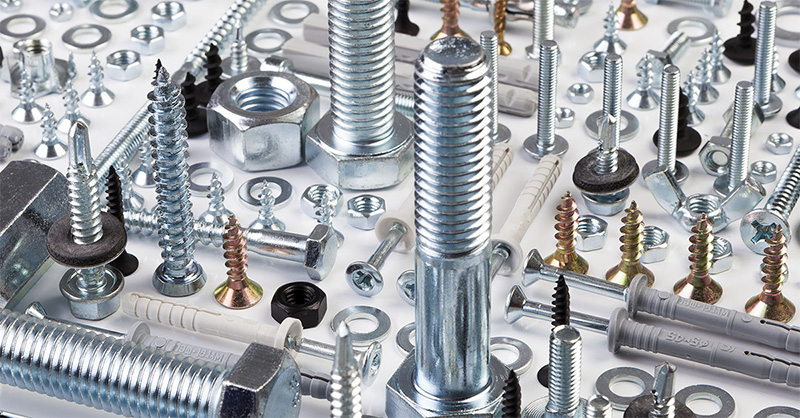
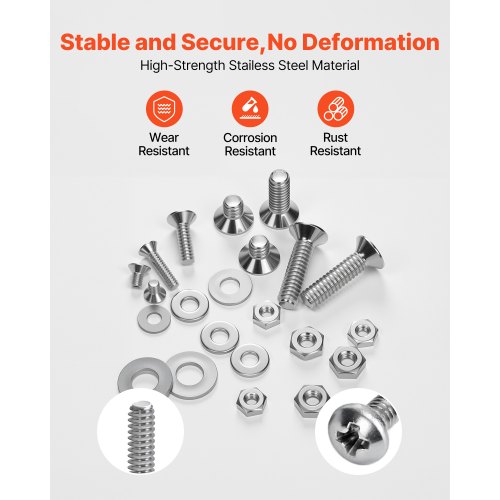
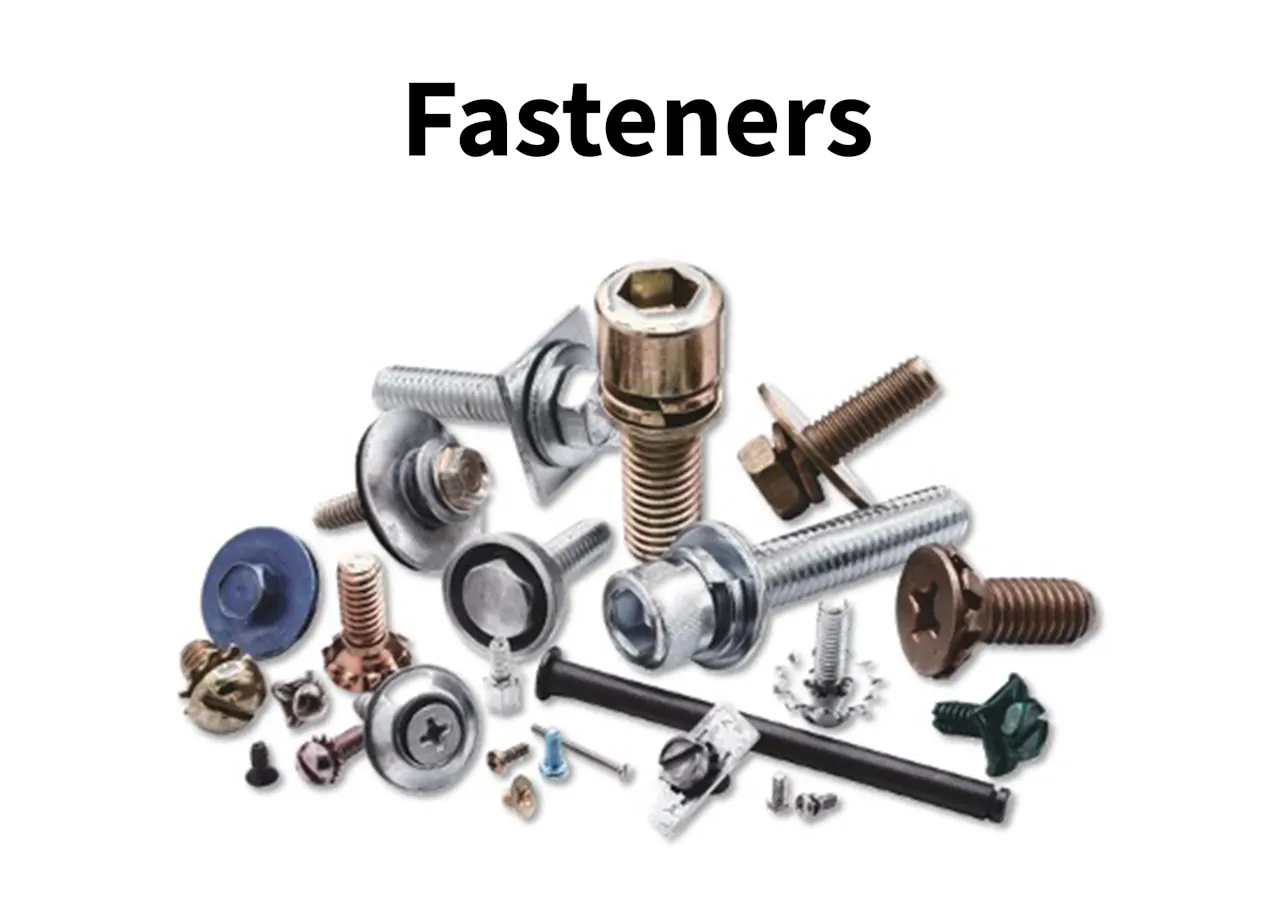
Common use: High-temperature fasteners and nuts
Characteristics:
- Good corrosion resistance
- High-temperature performance
- Used in pressure vessels and piping systems
2. SAE 3xxx Series (Nickel–Chromium Steels)
Type: Alloy steel family
Composition: Nickel and chromium additions
Properties:
- Improved toughness and strength
- Enhanced wear resistance
- Good performance under stress
Applications:
- Automotive components
- Gears and shafts
- Heavy machinery parts
3. Grade 303 Stainless Steel (Common Reference)
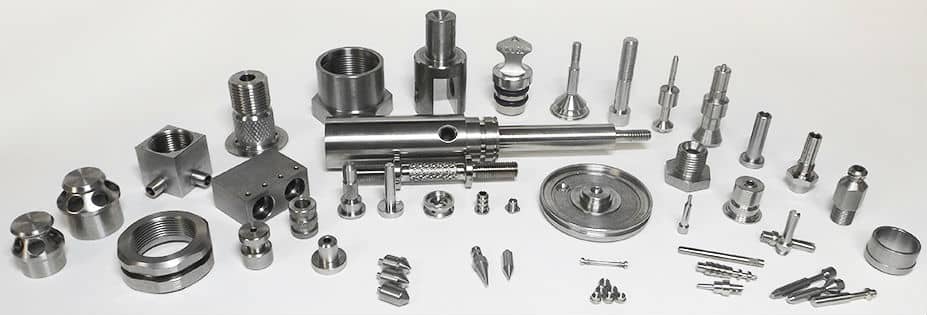

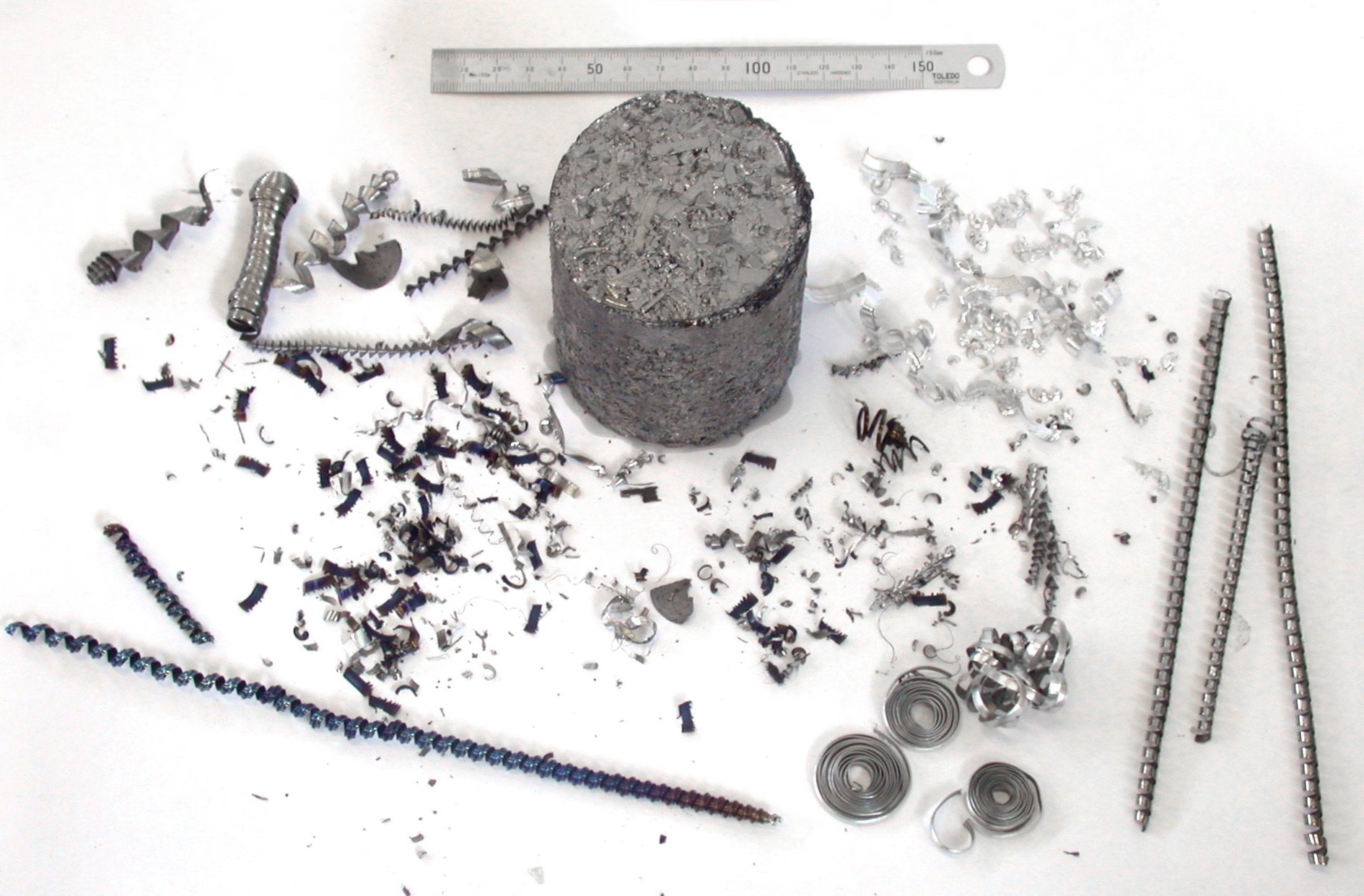
Type: Austenitic stainless steel
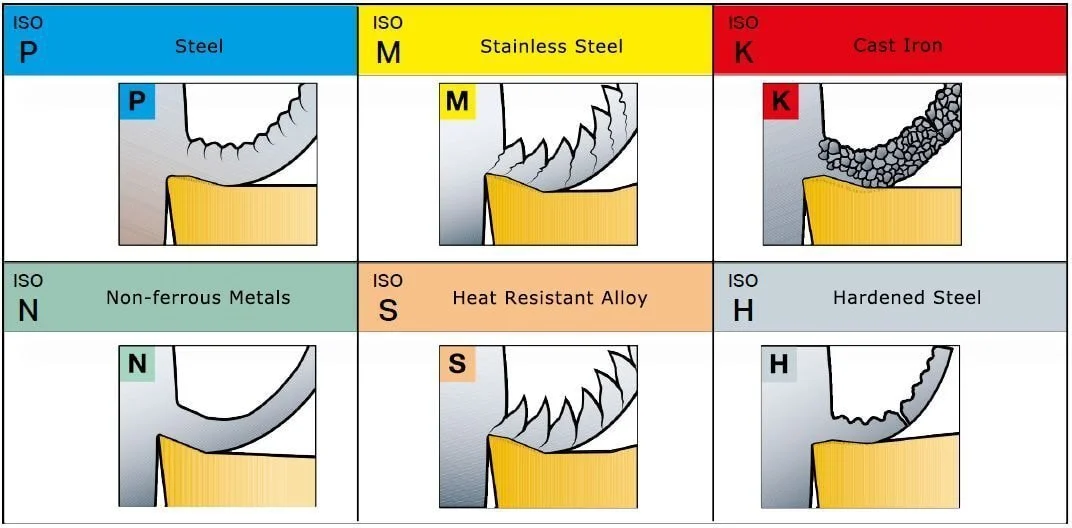
Key feature: Excellent machinability
Characteristics:
- Easy to machine due to sulfur addition
- Good corrosion resistance
- Lower toughness compared to 304
Applications:
- Precision components
- Screws and fittings
- Machined parts
4. ASTM A266 Grade 3
Type: Carbon steel forging material
Composition highlights:
- Controlled manganese and silicon
- Designed for pressure vessel components
Uses:
- Boiler and pressure vessel parts
- Industrial forgings
Why the Context Matters
The term “Grade 3” can indicate:
✔ Mechanical strength classification
✔ Chemical composition requirements
✔ Fastener or forging specifications
✔ Machined component materials
Without the standard reference, the term remains ambiguous.
How to Identify the Correct Grade
To determine the exact steel type, check:
- Applicable standard (ASTM, SAE, ISO, etc.)
- Chemical composition and mechanical properties
- Intended application or industry use
- Certification or material test reports
This ensures proper material selection and compliance.
Summary
“Grade 3 steel” is not a single universal material but a designation used within different standards to describe steels with specific compositions or applications. Examples include ASTM A194 Grade 3 fastener steel, SAE 3xxx nickel–chromium alloy steels, Grade 303 stainless steel for machinability, and ASTM A266 Grade 3 forgings.
Understanding the governing standard and application context is essential to identify the correct material and ensure performance and safety.