Fabricators are skilled tradespeople who create products and structural components by transforming raw materials into finished forms. While metal fabrication is the most common specialization, many fabricators also work with materials such as plastic, composites, and specialty alloys.
Core Fabrication Processes


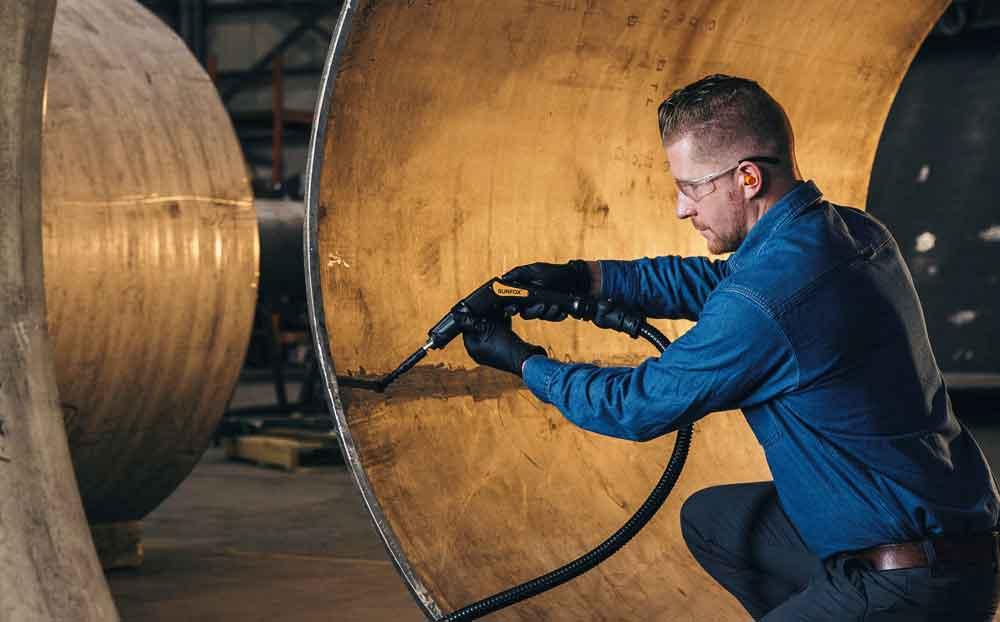
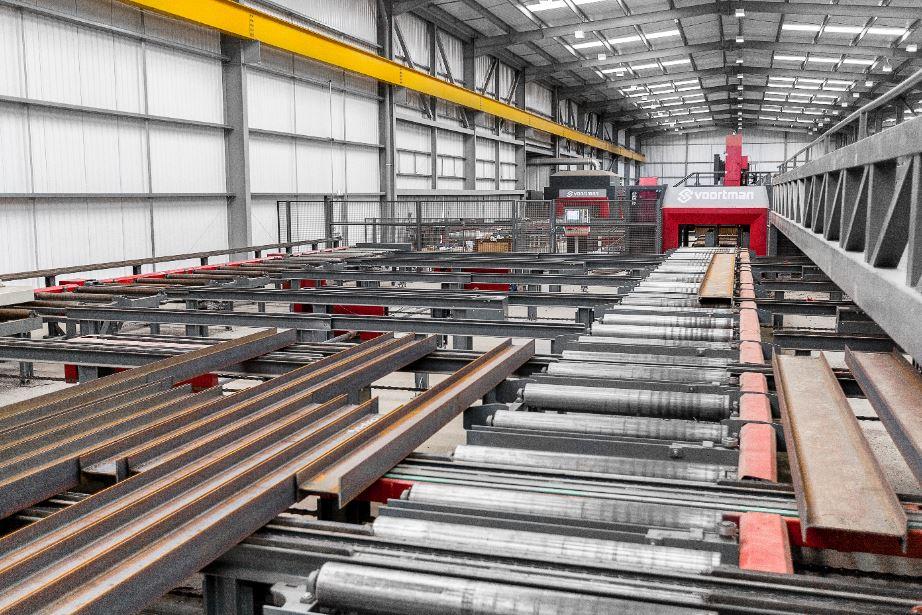
Fabrication involves several precise steps:
1. Cutting
- Sawing, laser cutting, or plasma cutting
- Shaping raw material into required dimensions
2. Sh aping & Forming
- Bending and rolling metal sheets
- Press forming and machining components
3. Joining & Assembly
- Welding, brazing, or riveting
- Assembling parts into final structures
4. Finishing
- Grinding and smoothing surfaces
- Painting, coating, or polishing
- Ensurin g durability and corrosion resistance
Each step requires accuracy and attention to detail.
Materials Used in Fabrication
Although metal is primary, fabricators may work with:
- Stainless steel and aluminum
- Copper and brass
- Plastics and polymers
- Fiberglass and composite materials
Material choice depends on strength, durability, and project requirements.
Why Fabrication Is Detail-Oriented Work
Precision is critical to ensure safety, durability, and performance.
Fabricators must focus on:
✔ Exact measurements and tolerances
✔ Proper alignment and fit
✔ Clean welds and strong joints
✔ Smooth finishes and protective coatings
Small errors can affect structural integrity and product quality.
Industries That Rely on Fabricators
Fabrication skills are essential across many sectors:
- Construction and infrastructure
- Automotive and transportation
- Manufacturing and machinery
- Aerospace and defense
- Energy and industrial plants
This versatility creates strong career opportunities.
Skills Needed for Successful Fabrication Work
Technical skills:
- Blueprint reading and measurement
- Welding and cutting techniques
- Machine operation and tool handling
Personal qualities:
- Attention to detail
- Patien ce and precision
- Problem-solving ability
- Safety awareness
These qualities ensure high-quality workmanship.
Satisfaction in Precision Craftsmanship
Fabrication can be highly rewarding for individuals who enjoy precision and hands-on work.
Benefits include:
- Seeing tangible results from your efforts
- Pride in creating durable structures
- Mastery of technical skills
- Achieving perfection in fine details
The sense of accomplishment comes from getting the fine points exactly right.
Summary
Fabricators create products by cutting, shaping, joining, and finishing materials—prim arily metal but also plastics and composites. The work requires precision, patience, and strong technical skills. Because fabrication is detail-oriented and results in tangible creations, it is especially rewarding for individuals who enjoy craftsmanship and accuracy.