Why Do Welders Lose Their Eyesight?
Welding is an essential trade, but the welding arc, ultraviolet radiation, flying particles, sparks and heat can create serious eye hazards. Understanding these risks is the first step toward protecting vision.
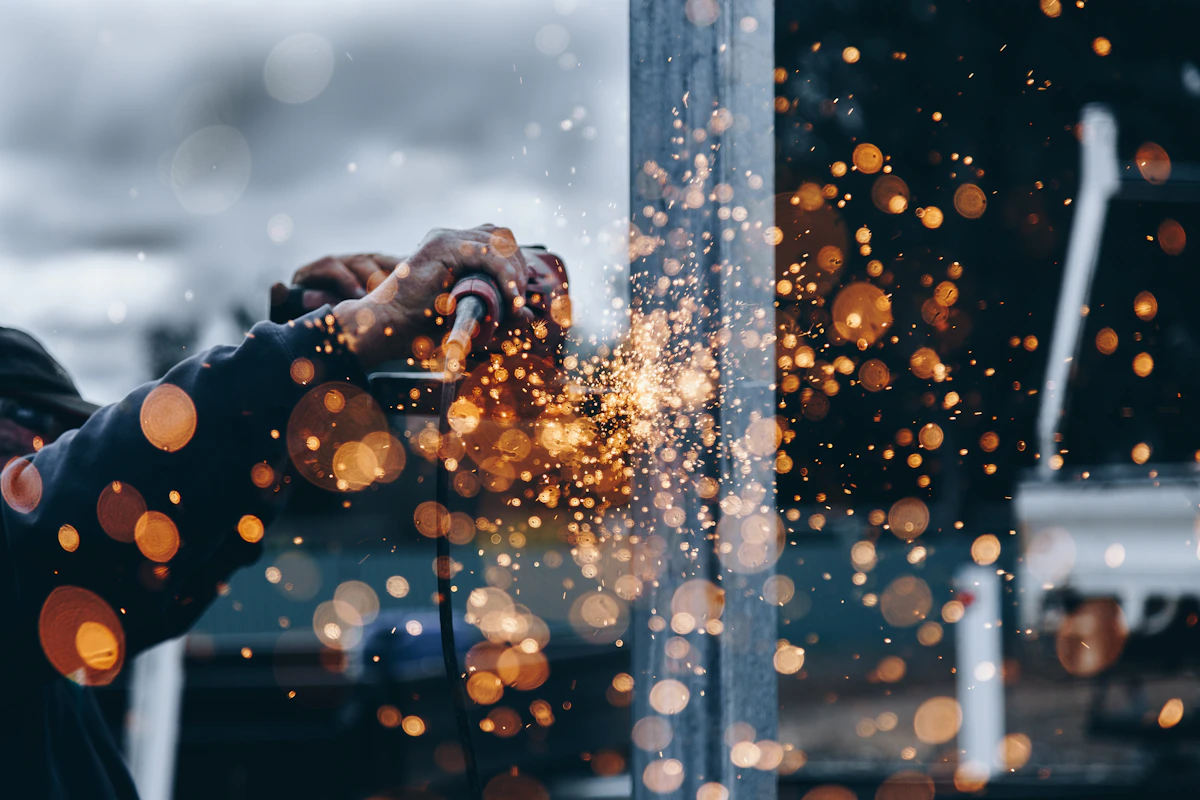
Why Welding Can Be Dangerous for the Eyes
Welding produces extremely bright light and can expose workers to ultraviolet and infrared radiation. The work can also generate sparks, molten metal, hot slag and airborne particles.
The eyes are particularly vulnerable because they contain sensitive tissues that can be injured by radiation, heat and mechanical impact.
A single exposure can cause an acute injury, while repeated unprotected exposure can increase the risk of longer-term eye problems.
- Welding arc radiation
- Ultraviolet exposure
- Infrared and intense visible light
- Sparks and hot particles
- Metal fragments and dust
7 Reasons Welding Can Damage Vision
Eye damage does not come from a single hazard. Different welding processes and working environments create different risks.
Ultraviolet Radiation
The welding arc emits ultraviolet radiation. Excessive exposure can injure the cornea and cause photokeratitis, commonly known as arc eye.
Intense Visible Light
The brightness of an unshielded welding arc can be extremely intense. Looking directly at the arc without appropriate filtering can cause serious discomfort and eye injury.
Infrared Radiation
Welding can also generate infrared radiation. Appropriate filter protection helps reduce exposure to the intense radiation produced by the welding process.
Flying Metal Particles
Grinding, cutting, chipping and welding operations can release small particles that may enter or strike the eyes.
Sparks and Hot Slag
Hot sparks and molten or recently cooled metal can cause burns or mechanical injuries if they reach unprotected eyes.
Welding Fumes and Irritants
Welding fumes and airborne contaminants can irritate exposed eyes. Appropriate ventilation and protective equipment are important workplace controls.
Repeated Unprotected Exposure
Repeatedly performing welding or related tasks without suitable protection increases avoidable occupational exposure and can contribute to cumulative eye-health risks.

What Is Arc Eye?
Arc eye, medically known as photokeratitis, is an acute injury caused by excessive ultraviolet exposure to the cornea. It can happen when a worker looks at an intense welding arc without suitable eye protection.
Symptoms may not always appear immediately. When they do, they can include pain, redness, tearing and sensitivity to light.
- Eye pain: Burning or painful eyes can occur after significant ultraviolet exposure.
- Redness: The eyes may become visibly irritated.
- Tearing: Excessive watering can occur.
- Light sensitivity: Bright environments may become uncomfortable.
- Gritty sensation: Some people describe a sensation similar to having sand in the eyes.
What Can Happen to a Welder’s Eyes?
Welding-related eye problems range from temporary irritation to injuries requiring professional medical attention.
Photokeratitis / Arc Eye
Excessive ultraviolet exposure can injure the surface of the eye. Symptoms can develop after exposure and may include pain and light sensitivity.
- Eye pain
- Redness
- Tearing
- Light sensitivity
Foreign-Body Injuries
Grinding and welding-related work can propel metal fragments or particles toward the eyes. Such injuries can be serious, particularly when an object penetrates the eye.
- Gritty sensation
- Pain or irritation
- Redness
- Vision changes
Eye Burns
Hot sparks, slag or molten material can cause thermal injuries. Immediate assessment may be necessary for significant burns or vision changes.
- Burning sensation
- Redness
- Watering
- Vision disturbance
Long-Term Eye Health Risks
Occupational exposure to radiation and other hazards may contribute to long-term eye-health risks. Preventive controls are therefore important throughout a welding career.
- Repeated exposure
- Insufficient eye protection
- Inadequate workplace controls
- Delayed eye examinations
Never Look Directly at an Unshielded Welding Arc
Welding helmets, suitable filter lenses and safety glasses are essential controls. Eye protection should match the welding process and the hazards present at the workplace. Food, drinks or home remedies cannot replace proper PPE.
9 Ways Welders Can Protect Their Eyesight
Consistent use of suitable protective equipment and good workplace practices can significantly reduce preventable eye hazards.
01. Wear a Welding Helmet
Use a properly selected welding helmet with an appropriate filter lens for the welding process and current.
02. Use Safety Glasses
Wear suitable safety glasses underneath the welding helmet to provide additional protection from particles and debris.
03. Select the Correct Filter
The filter shade should be appropriate for the welding operation. Follow applicable workplace and equipment requirements.
04. Use Side Protection
Safety eyewear with suitable side protection helps reduce exposure to particles approaching from different angles.
05. Protect Against Grinding
Use appropriate eye and face protection when grinding, cutting, chipping or removing slag.
06. Maintain the Helmet
Inspect lenses, filters, helmet components and straps. Replace damaged or unsuitable equipment.
07. Use Welding Screens
Suitable welding screens can help protect nearby workers from arc radiation and accidental exposure.
08. Maintain Good Ventilation
Proper ventilation and fume control help reduce airborne contaminants and improve the overall welding environment.
09. Get Eye Problems Checked
Persistent pain, vision changes, significant injuries or suspected foreign bodies should be assessed by an appropriate healthcare professional.
Safety Starts With the Right Welding Environment
Professional welding requires more than technical skill. The work area, equipment, ventilation and personal protective equipment all contribute to a safer operation.
At Steel Iron Fabrication, welding and steel fabrication requirements in Chhatarpur, New Delhi and Delhi NCR can be planned around the project’s material, application and site conditions.
Discuss Your Project- Steel Welding
- MS Welding
- Metal Fabrication
- Structural Steel Work
- Gate & Railing Fabrication
- Welding Repairs
- Delhi · Chhatarpur · Noida · Gurgaon
Need Professional Welding or Steel Fabrication?
Share your project requirements, material and location to discuss an appropriate welding or fabrication solution.
Request a ConsultationWhy Welders Lose Their Eyesight: FAQs
Why do welders lose their eyesight?
Welding can expose the eyes to intense visible light, ultraviolet and infrared radiation, hot particles, sparks and other hazards. Repeated or severe exposure without appropriate protection can cause eye injuries and potentially lasting vision problems.
What is arc eye in welding?
Arc eye, also called photokeratitis, is an injury to the cornea caused by excessive ultraviolet exposure. Symptoms can include pain, redness, tearing, light sensitivity and a gritty sensation.
Can welding cause permanent blindness?
Severe eye injuries associated with welding can potentially cause lasting vision damage. The outcome depends on the type and severity of exposure or injury. Appropriate protection helps reduce preventable hazards.
How can welders protect their eyes?
Welders should use an appropriate welding helmet or filter lens, suitable safety glasses and other PPE required for the specific task. Equipment should be selected according to the welding process and applicable safety requirements.
Can welding cause cataracts?
Long-term exposure to certain forms of occupational radiation can contribute to eye-health risks, including cataract formation. Appropriate protective equipment and exposure controls are important.
What should I do after a welding eye injury?
Stop the exposure and seek appropriate medical or eye-care evaluation, particularly for significant pain, vision changes, foreign-body injuries, burns or persistent symptoms. Serious eye injuries should not be treated with home remedies alone.
Discuss Your Welding Requirement
Contact Steel Iron Fabrication for steel welding, MS welding and fabrication requirements across Delhi NCR.
Request a Quote
The Importance of Eye Protection in Welding
Welding is an essential trade that plays a crucial role in various industries, from construction to manufacturing. However, the process involves significant hazards, especially to the eyes. One of the primary reasons welders experience vision loss is the intense brightness produced by the welding arc, which emits UV radiation. This radiation can lead to serious eye conditions if adequate precautions are not taken.
Common Eye Injuries Among Welders
Welders are at risk of developing several eye injuries, such as arc eye (photokeratitis), cataracts, and even permanent blindness in severe cases. Arc eye, often described as a sunburn of the cornea, results from exposure to the bright arc during welding. Symptoms include pain, redness, tearing, and a gritty sensation in the eyes. Without proper shielding or goggles, continuous exposure can lead to long-term damage.
Prevention of Eye Damage in Welding
To prevent vision loss, it is essential for welders to wear appropriate protective eyewear, such as helmets with tinted visors or safety glasses rated for welding. Additionally, ensuring a well-lit workspace while avoiding direct exposure to the welding arc can help minimize risks. Regular eye examinations are also recommended to monitor eye health and detect any potential issues early.