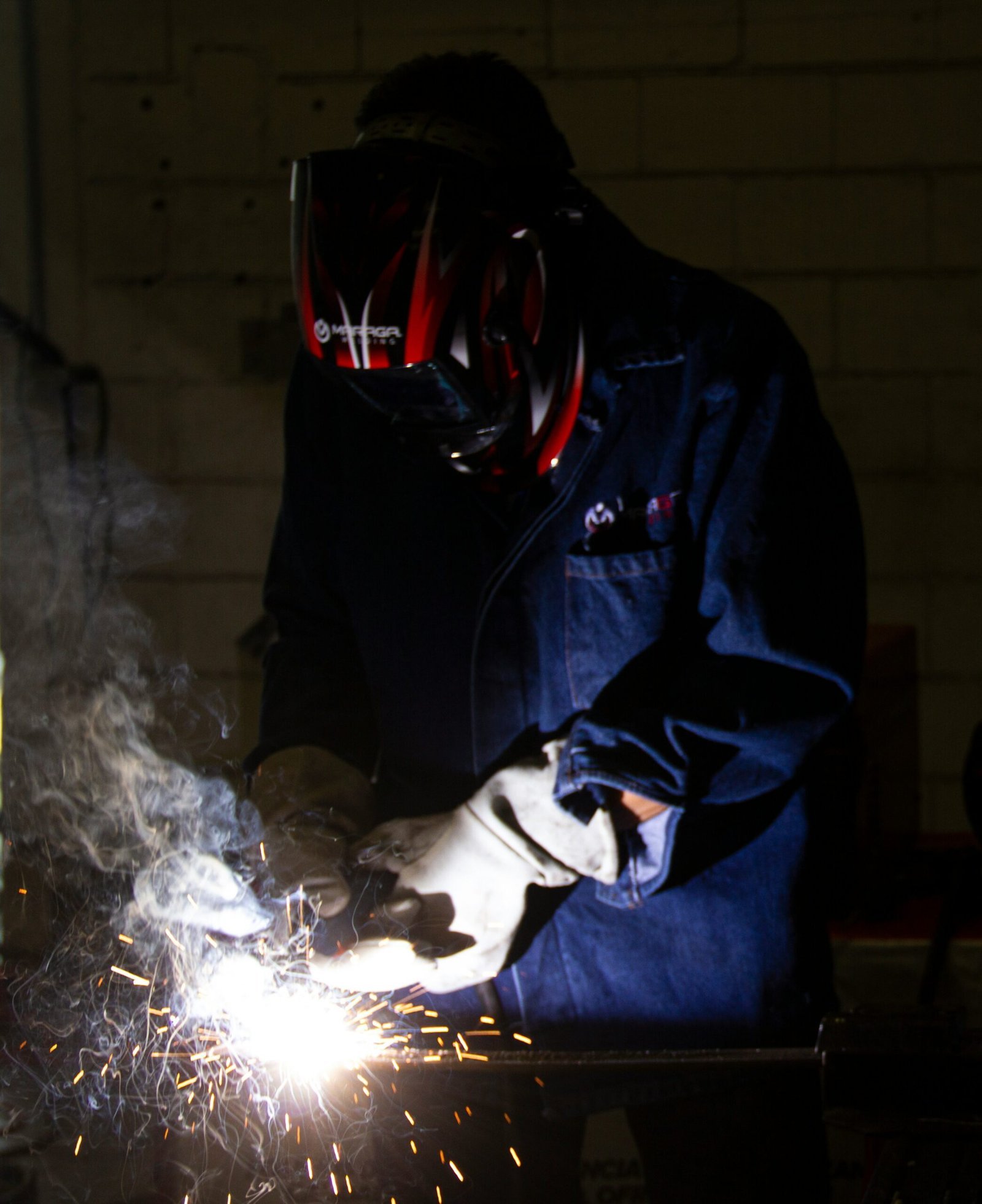
What Are Steel Welding Services?
Steel welding services are essential in various industries, providing the fabrication and assembly of steel structures, components, and products. These services include a range of techniques and methodologies aimed at joining metal parts together using heat, pressure, or both. Common applications of steel welding encompass construction, manufacturing, automotive, and repair work.
Types of Steel Welding Techniques
There are several welding methods employed in steel welding services, each suitable for specific applications. Some common techniques include MIG (Metal Inert Gas) welding, TIG (Tungsten Inert Gas) welding, and arc welding. Each method has its unique advantages, depending on the type of steel used and the project requirements. For instance, MIG welding is known for its speed and efficiency, making it a popular choice in manufacturing, whereas TIG welding offers precision for intricate projects.
The Importance of Professional Welding Services
When it comes to steel welding services, quality and safety are paramount. Professional welders bring expertise and experience to ensure that projects meet industry standards and regulations. Moreover, skilled welders can identify the best techniques and tools for specific tasks, resulting in durable and high-quality welds. These services not only improve the integrity of the structures but also enhance the overall aesthetic appeal of the finished product.
Steel Welding Services involve the process of joining steel components or structures using welding techniques to create a strong, permanent bond. Steel is a versatile material used in a wide range of applications, from industrial and commercial uses to residential construction. Welding steel requires specialized skills, tools, and equipment to ensure high-quality, durable results. This guide will cover the key aspects of steel welding services, including types of steel welding, methods, applications, and benefits.
1. What is Steel Welding?
Steel welding is the process of melting and fusing two or more steel parts together by applying heat and pressure, and sometimes adding filler material. This process is commonly used to repair, join, or fabricate steel components in various industries. Steel welding creates a permanent bond, making it essential for both structural and aesthetic purposes.
2. Types of Steel Welding
There are several types of welding methods used for joining steel, each with specific advantages depending on the steel type, application, and environmental conditions.
a) MIG Welding (Metal Inert Gas Welding)
- Description: MIG welding is a common and versatile welding process where a continuous wire electrode is fed through a welding gun. The gun also releases an inert shielding gas (usually argon or CO2) to protect the weld from contamination.
- Advantages:
- Fast and efficient
- Produces clean, smooth welds
- Suitable for thin to medium-thick steel sections
- Easy to learn and use
- Applications: Automotive repair, construction, sheet metal fabrication, and general steel work.
b) TIG Welding (Tungsten Inert Gas Welding)
- Description: TIG welding uses a non-consumable tungsten electrode to create the arc. Filler material is added separately if needed. TIG welding also uses inert gas (usually argon) to protect the weld area.
- Advantages:
- Precise and clean welds with minimal spatter
- Ideal for thin materials and stainless steel
- Excellent control over the weld puddle
- Applications: High-precision steel work, aerospace, food industry, and architectural metalwork.
c) Stick Welding (Shielded Metal Arc Welding – SMAW)
- Description: Stick welding uses a consumable electrode coated in flux, which creates the arc and forms a protective gas shield around the weld. The flux also helps with slag removal.
- Advantages:
- Works well on thick steel sections
- Ideal for outdoor welding and on dirty or rusty metal surfaces
- Low cost and easy setup
- Applications: Construction, industrial repairs, maintenance work, and heavy-duty steel welding.
d) Flux-Cored Arc Welding (FCAW)
- Description: FCAW is similar to MIG welding, but it uses a tubular electrode filled with flux instead of a solid wire. It can be used with or without shielding gas.
- Advantages:
- High deposition rate for faster welding
- Suitable for thick steel materials
- More effective for welding in windy conditions
- Applications: Industrial construction, heavy equipment repairs, and structural steel fabrication.
e) Submerged Arc Welding (SAW)
- Description: In submerged arc welding, the weld is created under a layer of granular flux, which protects the weld from contamination.
- Advantages:
- High welding speeds and efficiency
- Ideal for thick sections of steel
- Produces clean, high-quality welds with minimal spatter
- Applications: Heavy fabrication industries, shipbuilding, pressure vessel manufacturing, and large structural components.
3. Steel Welding Applications
Steel welding is used in a wide range of industries and for various purposes. Here are some of the common applications:
a) Construction and Building Projects
- Steel welding is essential for constructing steel frames, beams, columns, and other structural elements in residential, commercial, and industrial buildings.
- Welding services ensure the strength and safety of building foundations, bridges, and other large structures.
b) Heavy Equipment Repair
- Steel welding is used to repair large machines, cranes, forklifts, and other industrial equipment that experience wear and tear.
- Welding services ensure that equipment can be safely restored to working condition without needing to replace expensive components.
c) Automotive Industry
- In the automotive sector, steel welding is used to repair car bodies, frames, exhaust systems, and other components.
- Welding allows for the restoration of damaged parts or custom fabrication of parts for specialized vehicles.
d) Industrial and Manufacturing Applications
- Welding steel is vital for fabricating tanks, pipelines, ducts, and industrial machinery.
- Steel welding services are frequently used in manufacturing facilities to repair or build steel parts for production lines and factories.
e) Shipbuilding and Marine Applications
- Steel welding is critical in the shipbuilding industry, where large metal sheets are welded together to form the hulls, decks, and other structural components of ships.
- Marine environments require steel welding to ensure the steel parts can withstand exposure to saltwater and corrosion.
f) Agricultural and Mining Equipment
- Steel welding is employed to fabricate and repair agricultural equipment such as tractors, plows, and harvesters, as well as mining equipment like conveyor belts and heavy machinery.
- Welding ensures the strength and durability of equipment used in harsh environments.
4. Benefits of Steel Welding Services
a) Strength and Durability
- Steel welding creates a strong, permanent bond between steel components. The welded joint is often stronger than the base metal itself, ensuring structural integrity and long-lasting performance.
b) Precision and Customization
- Welding offers the flexibility to create custom-designed parts and structures. Skilled welders can fabricate or repair steel components to meet specific requirements, including intricate or complex designs.
c) Cost-Effectiveness
- Steel welding is often more cost-effective than replacing entire components or structures. It helps to save on material costs and reduces downtime in industrial and commercial settings.
d) Versatility
- Steel welding can be applied to a wide range of steel types and thicknesses. Whether working with thin sheets or heavy-duty steel, welding services can be adapted to suit different applications.
e) Speed and Efficiency
- Welding is a fast process that allows for quick repairs or fabrication of steel structures. Certain welding methods, such as MIG or FCAW, provide high deposition rates, allowing for efficient welding of large steel sections.
f) Safety and Reliability
- Properly executed steel welding ensures the structural safety of the finished product. Whether repairing a damaged piece of equipment or constructing a steel frame, welding provides a secure and reliable result.
5. Common Steel Welding Techniques
Each welding technique has its specific use cases depending on the material, joint configuration, and environmental conditions:
a) Butt Welding
- Description: Joining two pieces of steel by aligning their edges and welding along the seam. It is commonly used for joining pipes, beams, or plates.
- Applications: Pipe joints, sheet metal fabrication, and structural steel connections.
b) Fillet Welding
- Description: Fillet welding joins two steel pieces at right angles to each other, typically along a corner or edge.
- Applications: Building frames, supports, and reinforcement structures.
c) Seam Welding
- Description: This process creates continuous, overlapping welds along the length of a joint, often used in applications where a leak-proof seal is required.
- Applications: Fuel tanks, pressure vessels, and automotive panels.
d) Edge Welding
- Description: Edge welding joins two pieces of steel along their edges, often used to create a flat or thin profile.
- Applications: Thin sheet metal work, container manufacturing, and electronics enclosures.
6. Steel Welding Safety Considerations
Welding steel requires safety precautions due to the high heat and potential hazards involved. Some important safety measures include:
- Personal Protective Equipment (PPE): Welders must wear protective gear such as helmets with face shields, gloves, welding jackets, and safety boots to shield from sparks, UV radiation, and heat.
- Proper Ventilation: Ensuring adequate ventilation to avoid inhalation of welding fumes and gases.
- Fire Safety: Welding generates sparks that can ignite nearby flammable materials, so fire extinguishers and proper safety protocols must be in place.
- Electrical Safety: Welders should ensure that all welding equipment is properly grounded to avoid electrical hazards.
7. Conclusion
Steel welding services play a crucial role in the repair, fabrication, and maintenance of steel components across numerous industries. Whether for construction, automotive, industrial, or marine applications, welding ensures that steel parts are joined securely and efficiently. The variety of welding techniques, along with the expertise of skilled welders, allows for precise and durable results. Choosing professional steel welding services guarantees strong, safe, and cost-effective solutions for any steel repair or fabrication need.