What is Sheet Metal Fabrication?
Sheet metal fabrication is a manufacturing process that involves cutting, bending, and assembling metal sheets into desired shapes. This technique is widely used in various industries, from automotive to construction, due to its versatility and efficiency.
Key Processes in Sheet Metal Fabrication
The fabrication process typically involves several key steps. Cutting is the first stage, where sheets are trimmed to the required dimensions using tools like laser or plasma cutters. Following this, the bending process shapes the metal into the necessary angles and curves. Finally, assembly techniques, such as welding or riveting, are employed to join different components.
Applications of Sheet Metal Fabrication
Sheet metal fabrication is integral to many sectors. In the automotive industry, it is used to create parts like chassis and panels. The electronics sector utilizes it for enclosures and brackets, while construction relies on fabricated metal for HVAC systems and structural components. The adaptability of sheet metal allows for a range of applications, making it a crucial element in modern manufacturing.
Sheet Metal Fabrication is a manufacturing process that involves the manipulation of thin metal sheets to create various products. This process uses cutting, bending, and shaping techniques to turn flat sheets of metal into finished items that can be used in a wide range of industries, from construction to automotive. Sheet metal fabrication is essential for producing precision parts and components that require strength, durability, and specific dimensions.
Here’s an overview of Sheet Metal Fabrication:
1. What is Sheet Metal Fabrication?
Sheet metal fabrication refers to the process of transforming flat metal sheets into functional and usable products. It involves cutting, bending, and shaping sheet metal using various methods and machinery. The metal used in sheet metal fabrication typically comes in sheets or coils, with varying thicknesses to meet specific needs.
2. Common Materials Used in Sheet Metal Fabrication
Various metals can be used in sheet metal fabrication, each chosen for its unique properties. The most commonly used materials include:
- Steel: Known for its strength, versatility, and durability, steel is one of the most widely used metals for sheet metal fabrication.
- Aluminum: Lightweight and resistant to corrosion, aluminum is often used in aerospace, automotive, and consumer electronics.
- Stainless Steel: Highly resistant to rust and corrosion, stainless steel is used for applications that require hygiene and durability, such as kitchen equipment and medical devices.
- Copper: Known for its conductivity, copper is used for electrical components and plumbing.
- Brass: An alloy of copper and zinc, brass is used for decorative items and high-performance applications.
3. Key Sheet Metal Fabrication Processes
a) Cutting
Cutting is the first step in sheet metal fabrication, where metal sheets are cut into the required shapes and sizes. There are several methods of cutting sheet metal:
- Laser Cutting: A high-precision technique that uses a laser beam to melt or burn through metal sheets. It provides excellent accuracy and can cut complex shapes.
- Plasma Cutting: Involves using a plasma torch to cut through the metal. It’s faster than laser cutting and is used for thicker materials.
- Waterjet Cutting: Uses high-pressure water mixed with abrasive materials to cut through metal. It’s ideal for cutting thicker sheets without generating heat.
- Shearing: A traditional method using blades to shear metal sheets into specific dimensions.
b) Bending
Bending involves using pressure to shape a metal sheet into a desired angle or curvature. This is typically done using:
- Press Brakes: Machines that apply force to the metal sheet, bending it to the desired shape. The material is placed between two dies, and the press brake forces the metal to conform to the die’s shape.
- Roll Bending: Used to create curves and cylinders by passing the sheet metal through rollers.
c) Punching
Punching involves using a punch press to create holes or patterns in sheet metal. The punch press uses a sharp tool to forcefully cut the material, creating uniform holes. It’s commonly used for creating holes for rivets, bolts, or fasteners.
d) Welding
Welding is a process used to join pieces of metal by heating the edges and applying pressure or filler material. There are different types of welding techniques in sheet metal fabrication:
- TIG Welding (Tungsten Inert Gas): A precise form of welding used for thin metal sheets, often used for stainless steel and aluminum.
- MIG Welding (Metal Inert Gas): A more common welding process for joining sheet metal. It uses a continuously fed wire to melt and fuse metal pieces.
- Spot Welding: A method where two metal sheets are joined by applying pressure and heat to specific points, typically used in the automotive industry.
e) Stamping
Stamping is a mass-production process where a press machine is used to stamp out shapes or designs from metal sheets. It is often used for creating components such as brackets, panels, and housings.
f) Forming
Forming processes involve reshaping metal into complex parts or products. These processes include:
- Roll Forming: A continuous bending process used to create long sections of sheet metal.
- Deep Drawing: A process used to form deep shapes, such as car body panels, by pressing a sheet of metal into a mold.
g) Finishing
Finishing processes are done after the fabrication steps to refine the metal’s appearance or functionality. These can include:
- Powder Coating: A method that applies a dry powder to the metal’s surface and then cures it with heat, resulting in a durable and attractive finish.
- Polishing: Used for smoothening the metal surface, giving it a glossy finish. Often used in stainless steel applications.
- Anodizing: A process that enhances the thickness of the oxide layer on aluminum, providing better corrosion resistance.
4. Common Applications of Sheet Metal Fabrication
Sheet metal fabrication is used in a wide range of industries and applications, including:
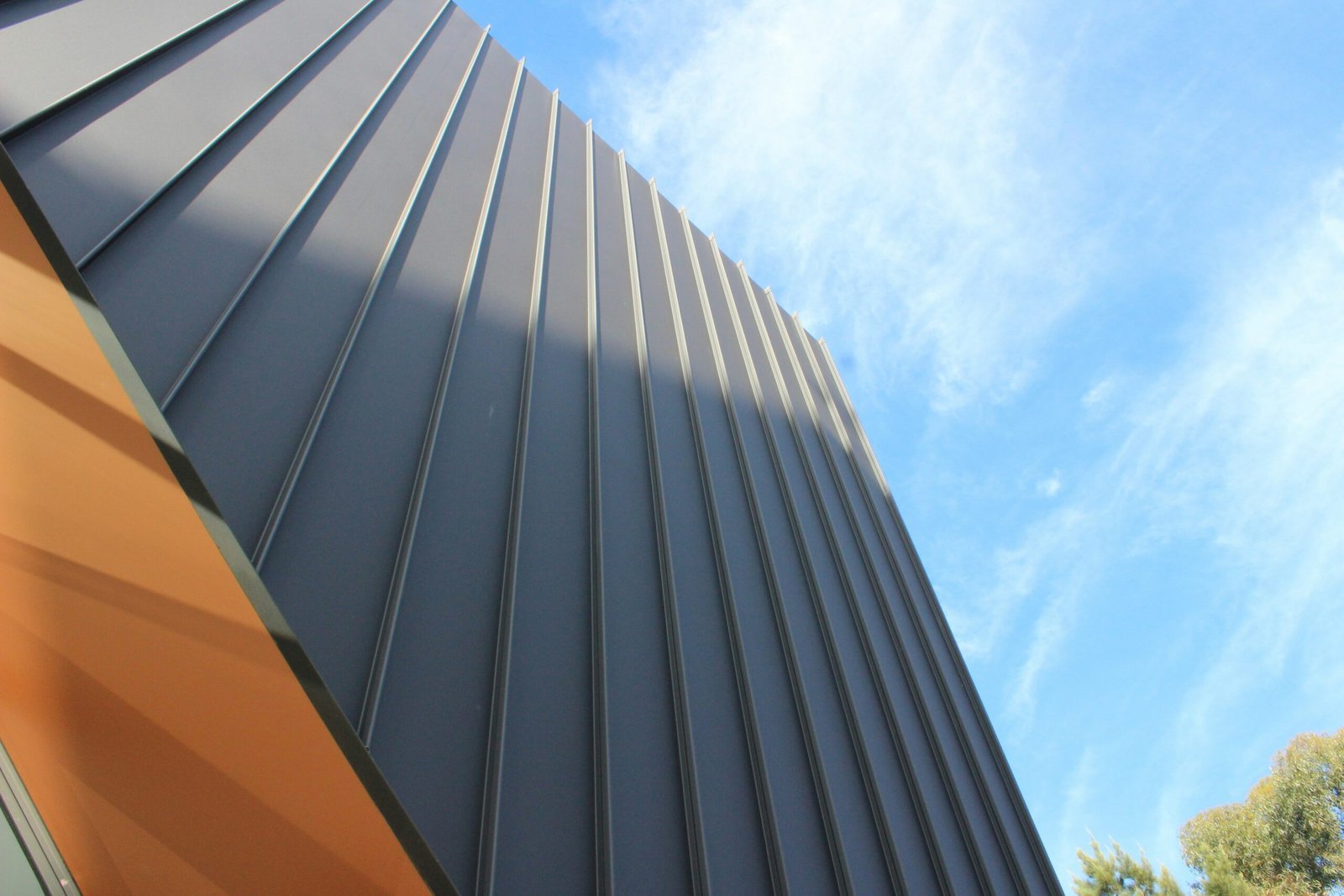
- Construction: For structural components such as metal beams, roofing, and cladding.
- Automotive: In the production of car parts, including body panels, chassis, and structural components.
- Aerospace: For manufacturing lightweight, high-strength components like aircraft fuselage panels and engine parts.
- Electronics: Used to create enclosures and parts for electrical devices and appliances.
- HVAC: Fabricating ductwork, vents, and other components for heating, ventilation, and air conditioning systems.
- Consumer Products: Items such as furniture, kitchen equipment, and home appliances.
- Medical Equipment: Fabrication of precision parts like surgical instruments, medical housings, and diagnostic equipment.
5. Advantages of Sheet Metal Fabrication
a) Cost-Effective
Sheet metal fabrication is often more cost-effective than other manufacturing processes, especially when producing large quantities. The material costs are generally lower, and processes like stamping allow for efficient mass production.
b) Precision
Modern fabrication techniques, such as laser cutting and CNC machining, allow for highly precise cuts and shapes, ensuring that parts are made to exact specifications.
c) Versatility
Sheet metal can be easily shaped and combined with other materials, making it ideal for creating custom components for various industries and applications. It can also be used in combination with other materials, such as glass, plastic, or wood, to create unique products.
d) Strength and Durability
Metal products fabricated from sheet metal are generally strong, durable, and resistant to wear and tear. This makes them suitable for a variety of demanding applications, from heavy machinery to consumer goods.
e) Lightweight
While sheet metal is strong, it is often lighter than other materials, such as castings, making it suitable for applications where weight is a concern, such as in the automotive and aerospace industries.
6. Challenges of Sheet Metal Fabrication
a) Material Limitations
Different materials have unique properties, and the selection of sheet metal must match the specific requirements of the project. For example, aluminum is lightweight but may not be as strong as steel, while stainless steel is highly resistant to corrosion but can be more difficult to work with.
b) Complex Shapes
Certain complex shapes may require specialized equipment or additional processing steps, increasing the cost and time required for fabrication.
c) Waste and Scrap
Sheet metal fabrication can result in waste material, especially when working with intricate designs or small components. Efficient use of material and recycling can help minimize waste.
7. Conclusion
Sheet metal fabrication is a versatile, cost-effective, and precise manufacturing process that plays a critical role in many industries, from automotive to construction and aerospace. Whether for custom designs or large-scale mass production, the ability to cut, bend, weld, and form metal sheets into specific shapes and sizes makes this process invaluable. With advances in technology and materials, sheet metal fabrication continues to evolve, offering new possibilities for producing high-quality products across a wide range of applications.