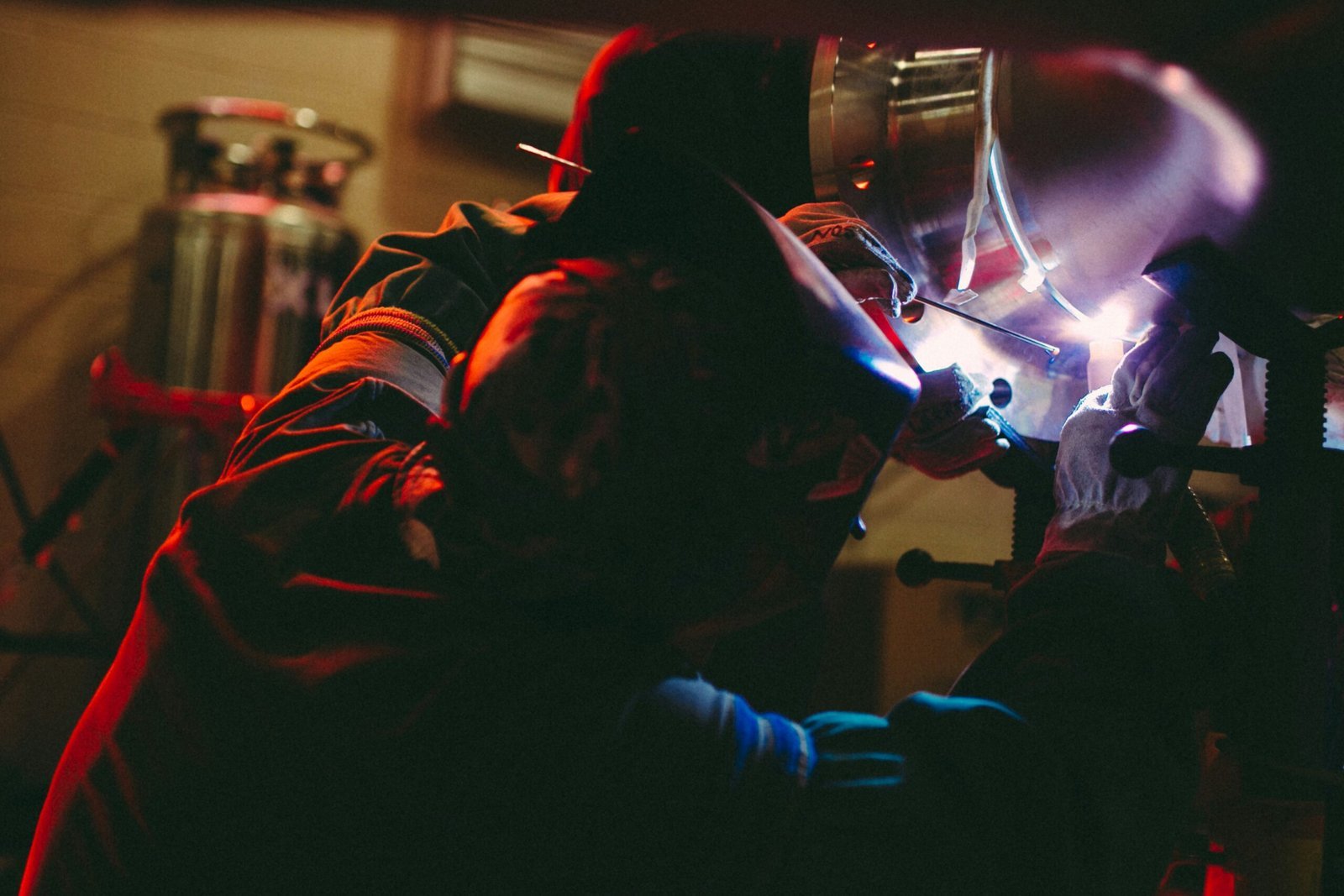
What is Pipe and Tube Fabrication?
Pipe and tube fabrication is a critical process in various industries, involving the bending, cutting, and joining of steel or iron pipes. This fabrication technique is essential for applications such as plumbing, construction, and industrial systems. The ability to manipulate pipes and tubes effectively enables the construction of robust systems that can withstand both pressure and environmental conditions.
Key Techniques in Pipe Fabrication
Bending is one of the primary techniques used in pipe fabrication, allowing for the creation of curves and complex shapes necessary in plumbing and industrial applications. Cutting is equally important, as it allows fabricators to achieve the precise lengths required for specific projects. Joining pipes is the final step, which can involve welding or using fittings to create a secure and leak-free connection, ensuring the integrity of the entire system.
Applications of Fabricated Pipes
The applications of fabricated pipes extend across many sectors. In plumbing, fabricated pipes are fundamental in water supply and drainage systems. Construction projects rely on these pipes for structural support and safety. Additionally, industrial systems utilize these elements for transporting fluids and gases safely and efficiently. The versatility of pipe and tube fabrication makes it a cornerstone of modern infrastructure.
Pipe and Tube Fabrication
Pipe and tube fabrication is a critical process in various industries, involving the bending, cutting, and joining of steel, iron, or other metal pipes for specific applications such as plumbing, construction, and industrial systems. This type of metal fabrication ensures that pipes and tubes meet the necessary specifications for fluid or gas transport, structural support, or system integration. Fabricating pipes and tubes with precision is essential for ensuring system efficiency, safety, and durability in industries such as construction, manufacturing, oil and gas, and more.
1. What is Pipe and Tube Fabrication?
Pipe and tube fabrication refers to the process of shaping, modifying, and assembling pipes and tubes to create structures or systems used for transporting liquids, gases, or other materials. This process involves several techniques, including cutting, bending, welding, and threading, to ensure that the pipes fit the specific needs of the application.
- Pipes are generally used for carrying fluids, gases, or other substances under pressure.
- Tubes, on the other hand, are more rigid and are commonly used for structural applications, mechanical functions, or as protective housings.
Fabricating pipes and tubes often requires high precision to ensure that they meet design specifications and industry standards, while also being capable of withstanding high pressure, extreme temperatures, and various environmental conditions.
2. Common Materials Used in Pipe and Tube Fabrication
The materials used for pipe and tube fabrication depend on the specific application and environmental conditions. Some of the most common materials used include:
- Carbon Steel: Carbon steel is widely used in pipe and tube fabrication due to its strength, cost-effectiveness, and versatility. It is commonly used in construction, plumbing, and various industrial systems.
- Stainless Steel: Stainless steel is used in applications where resistance to corrosion and high durability are required. It is often used in plumbing, food and beverage production, pharmaceutical systems, and chemical industries.
- Galvanized Steel: Galvanized steel pipes are coated with zinc to prevent corrosion, making them suitable for plumbing and outdoor applications where rust resistance is crucial.
- Copper: Copper pipes are commonly used in plumbing and HVAC systems due to their excellent corrosion resistance, thermal conductivity, and ease of installation.
- Aluminum: Aluminum is lightweight and resistant to corrosion, making it suitable for applications in industries such as aerospace, transportation, and heating systems.
- PVC and PEX: While not metals, plastic materials like PVC (polyvinyl chloride) and PEX (cross-linked polyethylene) are often fabricated into pipes for plumbing and water distribution systems due to their flexibility, ease of installation, and resistance to corrosion.
3. Techniques Used in Pipe and Tube Fabrication
Several techniques are used in pipe and tube fabrication to shape, join, and customize the materials for specific applications. These techniques can be combined to create the desired structure or system.
- Cutting: Cutting pipes and tubes to the required length is one of the first steps in the fabrication process. This can be done using various tools, such as saws, cutting torches, or laser cutters, depending on the material and the precision required.
- Bending: Bending is used to shape the pipe or tube into curved sections that are required for specific designs or installations. This process can be achieved using machines like pipe benders or hydraulic presses, and the angle and radius of the bend must be carefully controlled to avoid damage to the material.
- Welding: Welding is a common method for joining pipes and tubes together. This involves melting the edges of the pipes and fusing them into a single joint. Common welding techniques include MIG welding (Metal Inert Gas), TIG welding (Tungsten Inert Gas), and stick welding. The choice of welding method depends on the type of material being used and the strength required.
- Threading: In many piping systems, pipes need to be threaded to create a screw-like joint with fittings. Threading can be done using a machine that cuts threads into the pipe or tube, ensuring a secure and leak-proof connection.
- Flanging: Flanging is a technique where flanges (flat metal rings) are attached to the ends of pipes to allow for easy connection with other pipes, valves, or components. This is commonly used in high-pressure systems.
- Swaging: Swaging is the process of reducing the diameter of a pipe or tube through a mechanical process, typically using a die to apply pressure to the material. This technique is often used for creating fittings, flared ends, or other custom shapes.
- Brazing: In cases where welding is not appropriate, brazing can be used to join metal pipes and tubes by heating them and applying a filler metal that has a lower melting point than the base material.
- Expanding: Expanding is the process of increasing the internal diameter of a pipe or tube to fit a larger diameter fitting or component. This can be done using an expanding tool or hydraulic pressure.
4. Applications of Pipe and Tube Fabrication
Pipe and tube fabrication has a wide range of applications across numerous industries. Some of the most common uses include:
- Plumbing: One of the most common applications of pipe fabrication is in plumbing systems. Pipes are fabricated to transport water, sewage, gas, and other liquids to residential, commercial, and industrial buildings. Materials like copper, PVC, and galvanized steel are often used for plumbing systems.
- Construction: In construction, pipes and tubes are used for both structural and mechanical purposes. For example, metal pipes are often fabricated for framing, support beams, scaffolding, or safety railings. Tubing may also be used in HVAC systems, electrical conduit, and fire sprinkler systems.
- Oil and Gas: The oil and gas industry relies heavily on custom-fabricated pipes and tubes for transporting petroleum, natural gas, and other substances. These pipes need to withstand high pressures and extreme temperatures and are often made of corrosion-resistant materials like stainless steel.
- Industrial Systems: Pipes and tubes are fabricated for use in manufacturing plants, chemical processing facilities, and power plants. These systems may include fluid transport lines, steam pipes, gas pipelines, or cooling systems that require reliable, durable piping infrastructure.
- Automotive: Pipe and tube fabrication is used in the automotive industry for creating exhaust systems, fuel lines, brake lines, and other mechanical components that require precision and durability.
- Aerospace: Aerospace industries use precision-fabricated tubes for various applications, including aircraft fuel systems, hydraulic lines, and engine components. The tubing needs to meet stringent specifications for strength, pressure resistance, and weight.
- HVAC Systems: Fabricated pipes and tubes are used in heating, ventilation, and air conditioning systems to transport refrigerants, air, and other gases. This involves creating ducts and lines that can withstand high pressures and temperature changes.
- Food and Beverage: In food processing, beverage production, and pharmaceutical industries, sanitary pipe fabrication ensures the safe transport of liquids and gases. Tubes and pipes are designed to be easy to clean and resistant to contamination.
5. Benefits of Pipe and Tube Fabrication
- Customization: Custom pipe and tube fabrication allows for pipes to be made to precise specifications, ensuring that they fit perfectly into complex systems or structures.
- Strength and Durability: Pipe fabrication techniques, such as welding and bending, create strong joints and shapes that can withstand high pressure, extreme temperatures, and physical stress.
- Cost-Effectiveness: Fabricating pipes and tubes to meet specific needs can reduce waste and lower overall project costs by eliminating the need for standard off-the-shelf components.
- Flexibility: The ability to fabricate pipes and tubes with various materials and features allows for flexibility in meeting the specific requirements of different industries and applications.
- Reliability: Properly fabricated pipes and tubes ensure that fluid or gas systems are secure and leak-free, contributing to the overall safety and efficiency of the systems in which they are used.
6. Conclusion
Pipe and tube fabrication is a highly versatile and essential process used in a wide range of industries, from construction and plumbing to aerospace and oil and gas. Whether it’s bending, cutting, welding, or threading, pipe and tube fabrication ensures that pipes and tubes are customized to meet specific functional and environmental needs. By selecting the appropriate materials and fabrication techniques, industries can rely on strong, durable, and safe piping systems that optimize performance and efficiency. Whether it’s creating plumbing systems, industrial piping networks, or structural components, pipe and tube fabrication plays a pivotal role in ensuring the smooth operation of complex systems.