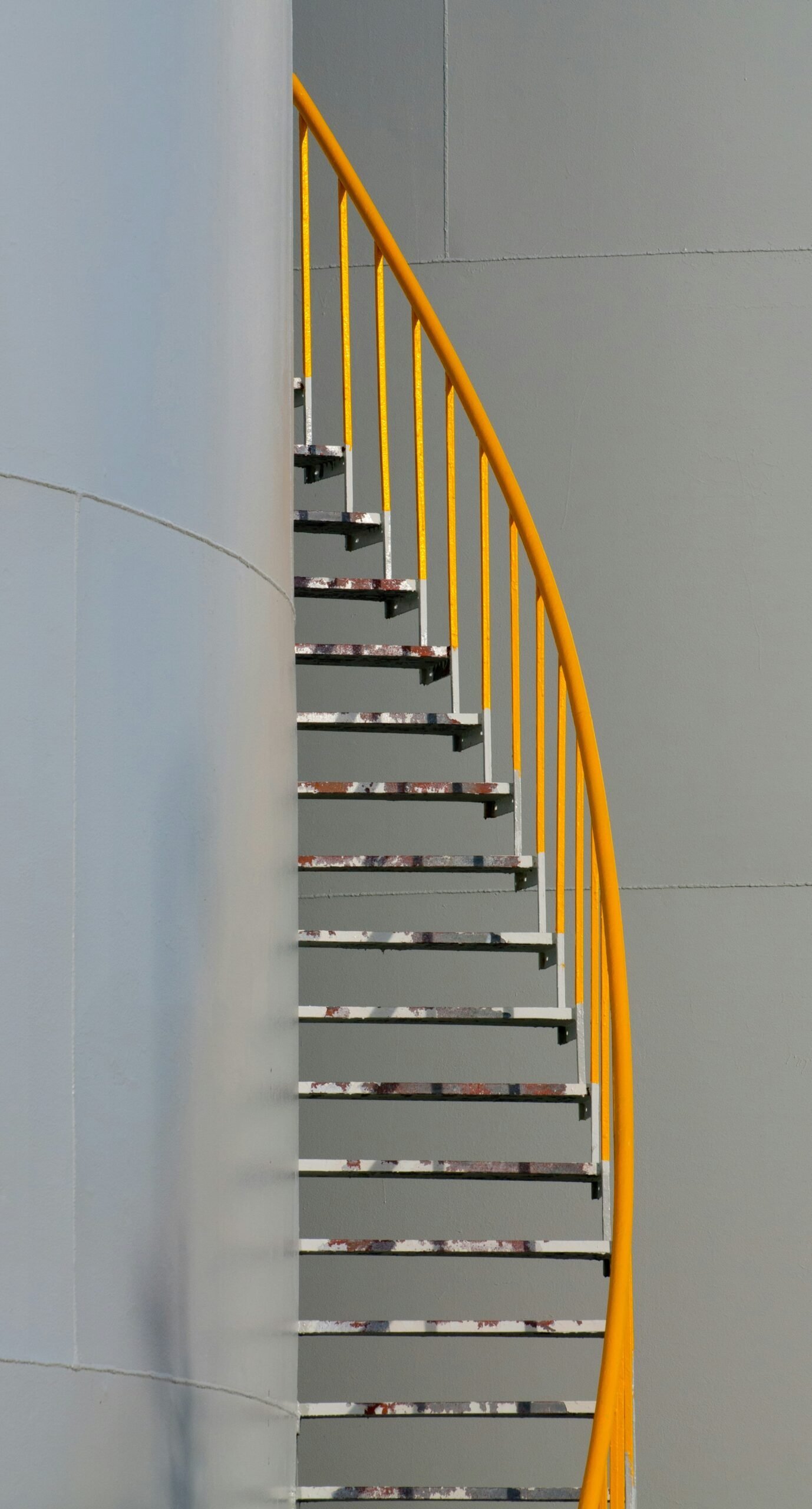
What is Metal Staircase Fabrication?
Metal staircase fabrication is the process of designing and constructing staircases using various metals, typically steel or aluminum. This fabrication technique is becoming increasingly popular due to its durability, safety, and aesthetic appeal. Whether for residential or commercial use, metal staircases provide an elegant solution to space accessibility.
Benefits of Metal Staircase Fabrication
One of the primary benefits of metal staircase fabrication is its strength. Metal staircases can withstand significant weight and foot traffic, making them ideal for high-traffic areas. Furthermore, they are resistant to fire and moisture, enhancing safety and longevity. Additionally, metal staircases can be customized to fit specific design preferences, allowing architects and builders to integrate unique styles in their projects.
The Fabrication Process
The metal staircase fabrication process involves several key steps, including material selection, design, cutting, welding, and finishing. Initially, designers work closely with clients to develop a staircase that meets their specific needs. Next, quality metals are chosen and precisely cut to dimensions. Skilled fabricators then weld the pieces together, ensuring a strong and secure structure. Finally, a finishing treatment is applied to enhance durability and appearance, leaving a polished and functional staircase ready for installation.
Metal Staircase Fabrication refers to the design, manufacturing, and installation of custom metal staircases for various residential, commercial, and industrial purposes. Metal staircases are highly durable, versatile, and can be tailored to meet the specific design, load-bearing, and aesthetic requirements of a space. Whether for interior or exterior use, metal staircases can be fabricated from materials like steel, stainless steel, aluminum, and wrought iron, each offering different benefits depending on the needs of the project.
1. What is Metal Staircase Fabrication?
Metal staircase fabrication involves the process of designing, cutting, welding, and assembling metal components into a complete staircase structure. This can include stair treads, handrails, stringers, and balustrades. Fabricators use advanced tools and techniques to create staircases that are not only functional but also visually appealing. Metal staircases are often chosen for their strength, long-lasting nature, and design flexibility.
2. Types of Metal Staircases
There are various styles and types of metal staircases that can be fabricated based on the design requirements and the specific space:
a) Straight Staircases
- Description: The most basic and common type of staircase, where the stairs go in a straight line without turns.
- Materials: Steel, stainless steel, and aluminum are commonly used for the frame and treads, while glass or wood may be used for treads or railings for added aesthetic appeal.
- Applications: Residential homes, offices, and commercial buildings.
b) Spiral Staircases
- Description: A compact staircase that spirals around a central column, often used in smaller spaces.
- Materials: Typically fabricated from steel or stainless steel to create a strong, lightweight structure.
- Applications: Ideal for lofts, apartments, or any space where floor space is limited.
c) L-Shaped or Quarter-Turn Staircases
- Description: These staircases feature a 90-degree turn, creating an “L” shape.
- Materials: Steel or wrought iron for the structural components, with options for wooden or metal treads.
- Applications: Used in both residential and commercial spaces to connect different levels.
d) U-Shaped or Half-Turn Staircases
- Description: Similar to the L-shaped staircase, but with a 180-degree turn. It forms a “U” shape.
- Materials: Commonly made from steel or stainless steel with options for metal or wooden treads.
- Applications: Typically used in larger homes or commercial buildings.
e) Floating Staircases
- Description: A modern design where the treads appear to “float” without visible support, often achieved with metal stringers hidden within the walls.
- Materials: Steel or stainless steel stringers, combined with glass or wood for the treads.
- Applications: High-end residential and commercial spaces, creating an open, airy appearance.
f) Custom Staircases
- Description: Tailored staircases designed to meet unique space or design requirements.
- Materials: A wide range of materials, including steel, stainless steel, wrought iron, and glass.
- Applications: Custom staircases are often used in high-end residential homes, offices, and public spaces.
3. Materials Used in Metal Staircase Fabrication
Different materials are chosen for metal staircases based on the specific requirements of the project, including strength, design aesthetics, and maintenance. Common materials used include:
a) Steel
- Advantages: Steel is strong, durable, and can support heavy loads, making it ideal for both residential and commercial staircases.
- Applications: Most common material used in staircase frames, handrails, and treads.