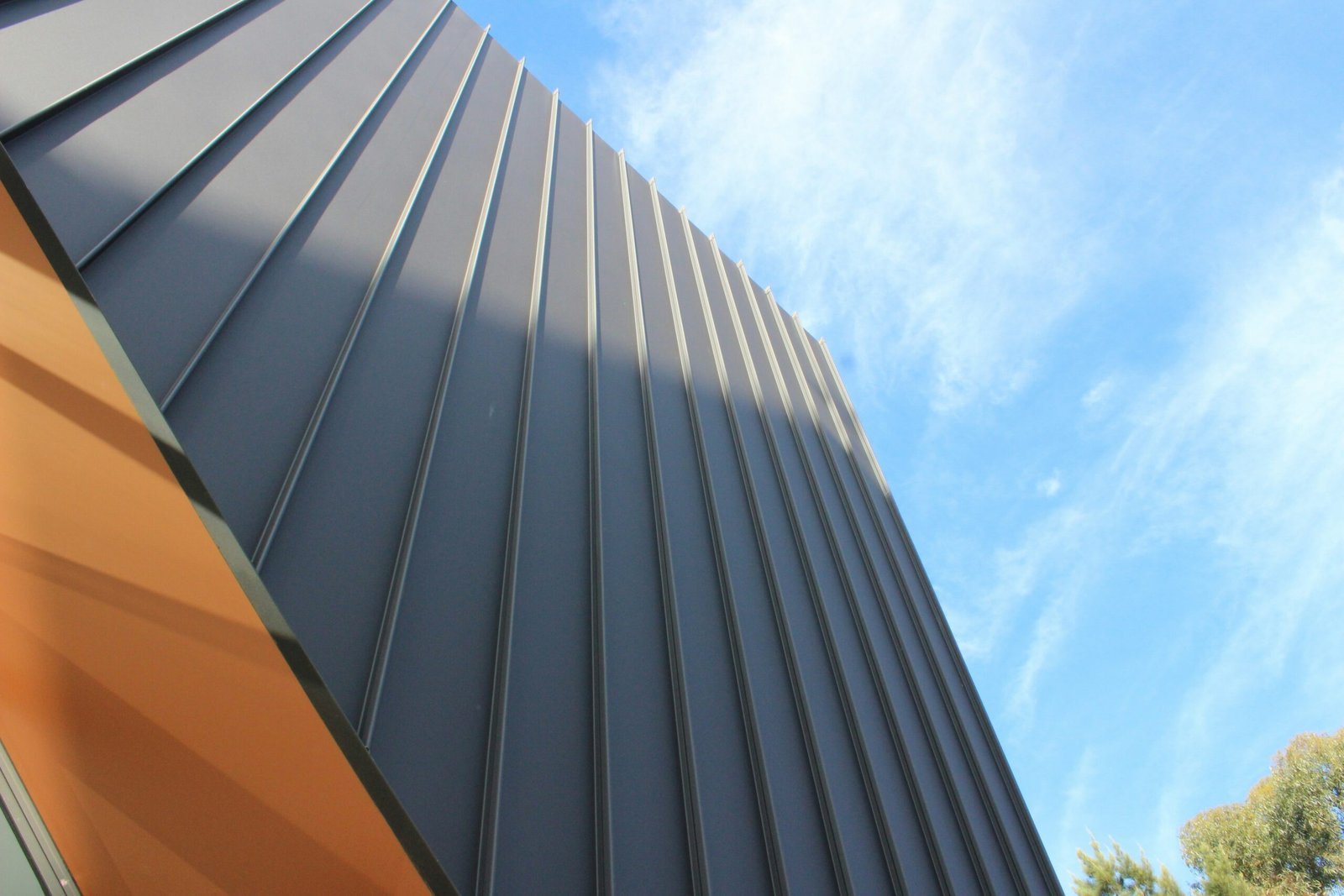
Understanding Commercial Metal Fabrication
Commercial metal fabrication encompasses the process of designing and constructing metal products for various commercial needs. This specialized field is vital for creating a wide array of functional and aesthetic components that enhance business spaces. From structural components to intricate designs, the role of metal fabrication is essential in delivering quality products tailored for commercial use.
Applications of Metal Fabrication in Commercial Spaces
Metal fabrication is employed in numerous applications, including the development of structural components such as beams and columns which ensure the integrity and stability of buildings. Additionally, businesses often utilize fabricated metal signage to promote their brand and attract customers. Furthermore, custom metal furniture and fixtures can elevate the aesthetic appeal of commercial environments, creating an inviting ambiance for clients and employees alike.
Benefits of Choosing Professional Fabrication Services
Engaging professional commercial metal fabrication services brings myriad benefits. Not only do experts ensure the precision and quality of fabricated products, but they also possess the ability to work with various metals to fit specific design requirements. With their knowledge and skills, fabricators can assist businesses in achieving functional, durable, and visually appealing products that stand out in the competitive marketplace.
Commercial Metal Fabrication
Commercial metal fabrication involves the design, production, and assembly of metal components specifically for use in commercial spaces. These metal products are integral to the functionality, aesthetics, and durability of a wide range of commercial environments, including offices, retail stores, restaurants, and public buildings. Commercial metal fabrication covers a wide variety of products, from structural components to decorative features, such as signs, furniture, and fixtures. This specialized fabrication ensures that each product meets the unique demands of its environment, providing both practical and visual value.
1. What is Commercial Metal Fabrication?
Commercial metal fabrication refers to the process of manufacturing metal products and structures that are specifically designed for commercial use. This includes both functional components, such as beams, columns, and support frames, and decorative elements like signs, furniture, and fixtures. Commercial metal fabrication requires attention to both durability and aesthetic appeal, as the final products must serve practical purposes while also contributing to the overall look and feel of a commercial space.
2. Types of Commercial Metal Fabrication Products
Commercial metal fabrication encompasses a wide variety of products designed to meet the unique needs of businesses. These products include:
- Structural Components: These are the backbone of commercial buildings, providing essential support and stability. Structural metal components can include steel beams, columns, frames, and trusses that form the skeletal structure of commercial buildings, bridges, and other large infrastructure.
- Metal Signs: Metal signs are an essential part of commercial branding and communication. These signs are often used for storefronts, business offices, and directional signage. They can be custom-designed with logos, business names, or information, and can be illuminated or non-illuminated.
- Furniture: Metal furniture is a popular choice for commercial spaces due to its durability, sleek design, and ease of maintenance. Metal tables, chairs, shelving units, and display racks are common in restaurants, offices, retail stores, and public spaces. Custom-designed furniture pieces can be created to match specific design themes or functional requirements.
- Fixtures: Metal fixtures are another vital component of commercial spaces. These fixtures can include railings, staircases, window frames, doors, and even custom metal cabinetry. Metal fixtures provide functionality and style, often designed to complement the overall aesthetic of the space.
- Partitions and Dividers: In commercial environments where creating distinct work areas or private spaces is necessary, custom metal partitions and dividers are fabricated. These structures are durable, versatile, and can be made to suit the aesthetic needs of the space, whether it’s for office cubicles or restaurant dining areas.
- Custom Metal Decor: From metal artwork to custom metal wall panels, commercial spaces often use fabricated metal elements for decoration. These items can range from modern abstract art pieces to intricate designs that reflect a business’s branding or theme.
3. Materials Used in Commercial Metal Fabrication
The materials used in commercial metal fabrication depend on the function and aesthetic goals of the product. Some common metals used include:
- Steel: Steel is the most common metal used in commercial fabrication due to its strength, versatility, and cost-effectiveness. Carbon steel is often used for structural components, while stainless steel is commonly used for fixtures and furniture because of its corrosion resistance.
- Aluminum: Lightweight and corrosion-resistant, aluminum is often used in commercial metal fabrication for products that require strength without adding excess weight. It is commonly used for window frames, signage, and decorative elements.
- Stainless Steel: Stainless steel is chosen for its ability to resist corrosion and rust. It is ideal for applications where the product will be exposed to moisture or outdoor elements, making it a popular choice for outdoor signs, restaurant fixtures, and architectural details.
- Brass and Copper: These metals are often used for decorative features due to their unique appearance. Brass and copper can be used for custom signs, metal artwork, lighting fixtures, and other design elements where aesthetics are a priority.
- Corten Steel: Also known as weathered steel, corten steel is often used for artistic and landscaping projects due to its rustic appearance. It develops a unique, protective patina over time, making it an attractive choice for urban and public spaces.
- Galvanized Steel: Galvanized steel is coated with a layer of zinc to prevent corrosion. It is commonly used in applications where durability is important, such as in outdoor signs, railings, and architectural elements.
4. Key Fabrication Processes in Commercial Metal Fabrication
Several fabrication techniques are used to create high-quality metal products for commercial spaces. These processes ensure precision, strength, and aesthetic appeal:
- Cutting: Metal cutting is one of the first steps in the fabrication process. Methods like laser cutting, plasma cutting, and water jet cutting are used to achieve precise cuts in metal sheets or plates. Laser cutting is particularly useful for creating intricate designs for signs and decorative pieces.
- Welding: Welding is the process of joining metal components together. Common welding methods include MIG (Metal Inert Gas) welding, TIG (Tungsten Inert Gas) welding, and stick welding. Welding ensures that the metal components hold together securely and can withstand stress.
- Bending and Forming: Metal bending is essential for shaping metal sheets or plates into specific angles or curves. Using machines such as press brakes or rollers, metal fabricators can create curved structures like railings, arches, or furniture components.
- Finishing: After the primary fabrication processes are completed, finishing processes like sanding, polishing, and coating are applied to improve the appearance of the metal. Powder coating, anodizing, and plating can be used to give metal items a smooth, durable, and visually appealing surface.
- Assembly: After individual parts are fabricated, they are assembled into the final product. For example, metal furniture pieces are welded or bolted together, while signs may require the installation of electrical components for illumination.
5. Benefits of Commercial Metal Fabrication
Commercial metal fabrication offers several advantages that make it an ideal solution for various applications in commercial spaces:
- Durability: Metal products are highly durable and resistant to wear, corrosion, and other environmental factors, making them ideal for commercial spaces that experience high foot traffic or exposure to the elements.
- Customization: Metal fabrication allows for a high degree of customization. Whether creating unique signage, custom furniture, or structural components, commercial metal fabrication offers endless possibilities for tailoring products to the specific needs and design preferences of a business.
- Aesthetic Flexibility: With a wide range of finishing options and materials available, metal fabrication allows businesses to create visually appealing products that match the aesthetic and branding of their commercial space.
- Cost-Effective: While metal may seem like an expensive material initially, its durability and low maintenance requirements make it a cost-effective choice in the long run. Products like metal furniture and fixtures often require less upkeep compared to wooden or other materials.
- Sustainability: Metal is a recyclable material, making it an environmentally friendly option for businesses looking to reduce their environmental impact. Many metal fabricators prioritize the use of recycled materials and sustainable practices.
6. Applications of Commercial Metal Fabrication
Commercial metal fabrication is used across various industries, each requiring specialized products tailored to their needs:
- Retail: Custom metal displays, shelving, and fixtures are common in retail environments. Metal signage and branding elements help attract customers and communicate the store’s identity.
- Restaurants and Cafes: From custom-designed tables and chairs to metal bar counters and kitchen equipment, metal fabrication is widely used in the restaurant industry. Metal features are durable, easy to clean, and offer a modern, industrial look.
- Offices: Metal furniture, partitions, and frames are often used in office environments to create functional and visually appealing workspaces. Custom metal desks, chairs, and shelving units contribute to a clean, modern aesthetic.
- Hospitality: Hotels and resorts often use metal fabrication for decorative elements such as custom signage, railings, gates, and furniture. These metal features enhance the property’s visual appeal and offer functionality.
- Public Spaces: Parks, museums, and other public spaces benefit from durable, weather-resistant metal fabrication. Public seating, sculptures, and architectural features often rely on metal fabrication for strength and longevity.
7. Challenges in Commercial Metal Fabrication
While commercial metal fabrication offers many benefits, there are some challenges that must be addressed:
- Design Complexity: Custom designs can be intricate and challenging to fabricate, requiring advanced fabrication techniques and a skilled team to execute.
- Material Selection: Choosing the right material for each application is essential. Factors such as weather resistance, aesthetic requirements, and budget must be considered when selecting materials.
- Time and Budget Constraints: Custom metal fabrication projects often require significant time and investment. Coordinating fabrication schedules and staying within budget is essential to ensuring the project’s success.
8. Conclusion
Commercial metal fabrication plays a vital role in creating functional, durable, and aesthetically pleasing metal products for commercial spaces. From structural components to custom signage and furniture, metal fabrication allows businesses to create products that meet their specific needs while enhancing the overall design of their space. With the right combination of materials, techniques, and expertise, commercial metal fabrication ensures that businesses can make lasting impressions through high-quality, long-lasting metal products.