Steel fabrication is a skilled trade focused on cutting, shaping, assembling, and finishing metal structures used in construction, manufacturing, infrastructure, and industrial equipment. For individuals exploring hands-on technical careers, it offers strong job security, competitive wages, and the satisfaction of building tangible, real-world products.
Why Steel Fabrication Offers Strong Job Security
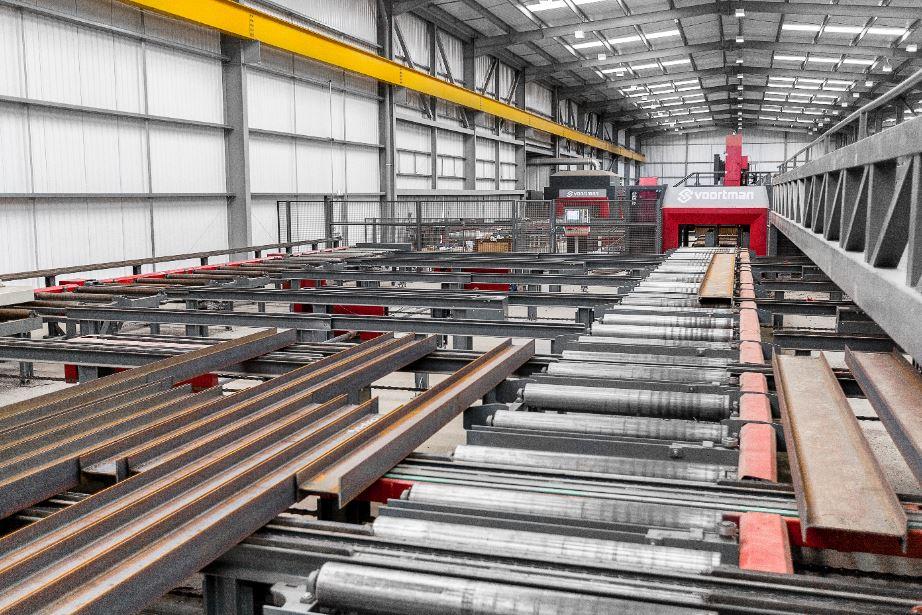


Steel is essential across multiple industries, ensuring consistent demand for skilled workers.
Industries that rely on steel fabrication:
- Construction and infrastructure
- Oil & gas and energy plants
- Manufacturing and heavy machinery
- Transportation and shipbuilding
- Renewable energy structures
As urban development and infrastructure projects expand, demand remains steady.
Competitive Wages & Earning Potential
Earnings vary based on skill level, certifications, and project complexity.
Typical salary ranges:
India
- Entry-level: ₹2.5 – ₹4.5 LPA
- Skilled fabricator/welder: ₹5 – ₹8 LPA
- Supervisors & specialists: ₹10 LPA+
Global markets
- Entry-level: $35,000 – $45,000
- Skilled professionals: $50,000 – $75,000+
- Specialized welders & supervisors: $80,000+
Specialized skills such as TIG welding, structural fabrication, and industrial assembly command higher wages.
Tangible Work & Personal Satisfaction
Steel fabrication provides visible results and a sense of accomplishment.
Benefits include:
✔ Creating physical structures and equipment
✔ Seeing projects progress from raw materials to finished products
✔ Contributing to infrastructure and development
✔ Working with precision tools and machinery
This hands-on work appeals to individuals who prefer practical, results-driven careers.
Skills Required in Steel Fabrication
Technical skills:
- Welding and metal joining techniques
- Blueprint and technical drawing interpretation
- Cutting, shaping, and assembly methods
- Measuring and precision alignment
Soft skills:
- Attention to detail
- Safety awareness
- Problem-solving ability
- Team collaboration
Skill development improves efficiency and earning potential.
Industry Growth & Future Demand
Steel fabrication continues to evolve with technological advancements.
Growth drivers:
- Infrastructure expansion worldwide
- Smart cities and urban development
- Renewable energy projects (solar & wind structures)
- Industrial automation and manufacturing growth
Automation supports productivity, but skilled fabricators remain essential.
Career Growth Opportunities
Professionals can advance into:
- Welding specialist roles
- Quality control & inspection
- Fabrication supervisor
- Project management
- Workshop ownership or contracting
Experience and certifications open higher-paying opportunities.
Who Should Consider This Career?
Steel fabrication is ideal for individuals who:
- Enjoy hands-on technical work
- Prefer practical problem-solving
- Want stable employment opportunities
- Seek skill-based career growth
- Are interested in construction or industrial trades
Summary
Steel fabrication offers a stable and rewarding career path with strong job security, competitive wages, and tangible work outcomes. As infrastructure development and industrial growth continue worldwide, skilled fabricators remain in high demand.
With technical training, experience, and specialization, professionals can achieve long-term career growth and financial stability in this evolving industry.