Stainless steel and mild steel are among the most widely used materials in fabrication and construction. Each offers distinct mechanical properties, cost advantages, and performance characteristics. The right choice depends on strength requirements, corrosion resistance, fabrication needs, and budget.
Stainless Steel
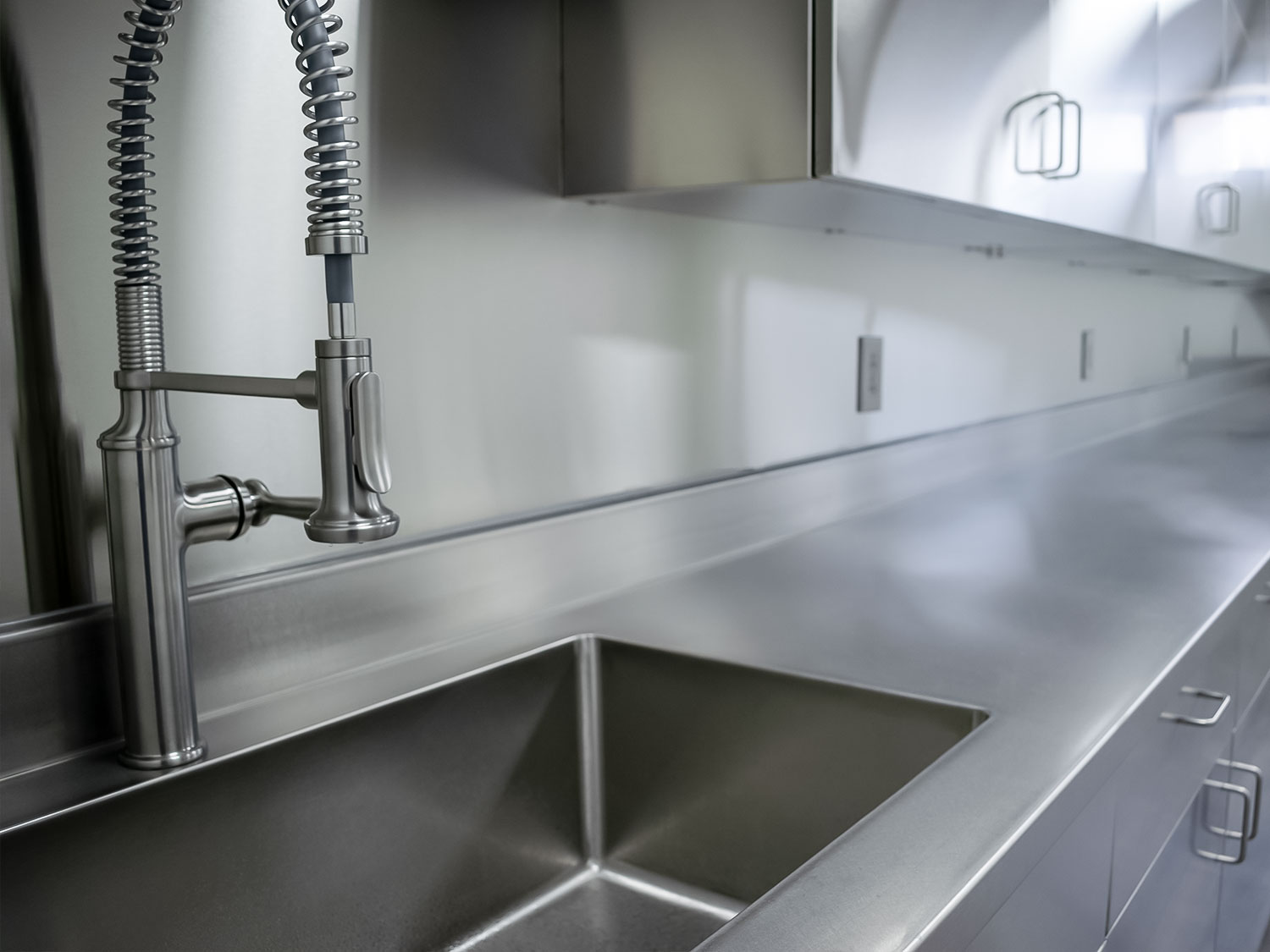
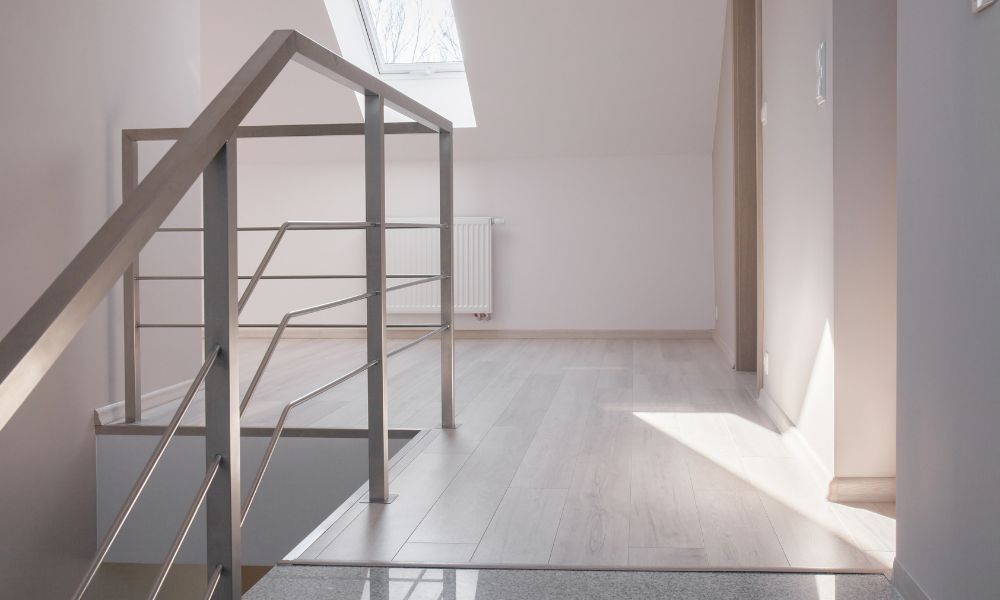
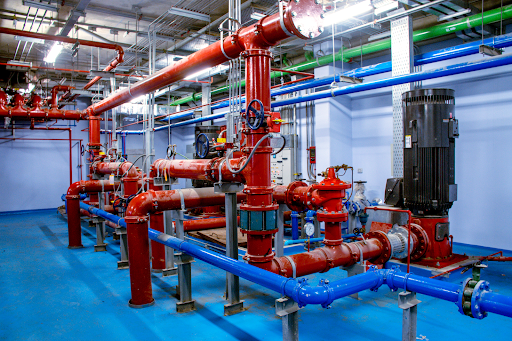
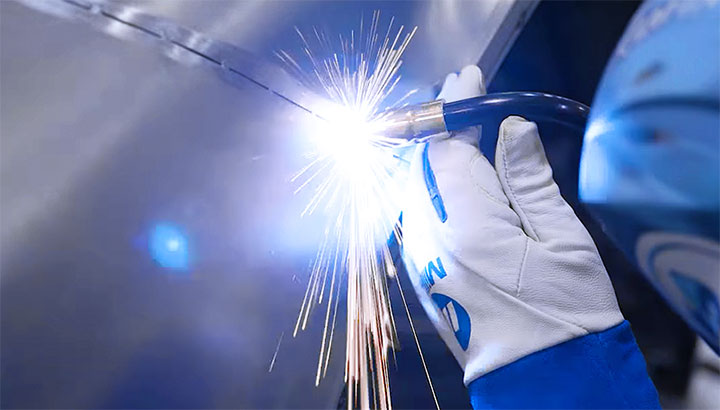
Stainless steel contains chromium (minimum ~10.5%), which forms a protective layer that resists corrosion.
Key advantages:
- Higher tensile strength and hardness
- Excellent corrosion and rust resistance
- Strong impact resistance
- Hygienic and easy to clean
- Attractive polished finish
Limitations:
- Higher cost than mild steel
- More difficult to machine and weld
- Requires specialized tools and techniques
Common applications:
- Kitchen equipment and food processing
- Medical and pharmaceutical equipment
- Outdoor railings and architectural elements
- Chemical and marine environments
👉 Ideal where durability and corrosion resistance are critical.
Mild Steel (Low Carbon Steel)

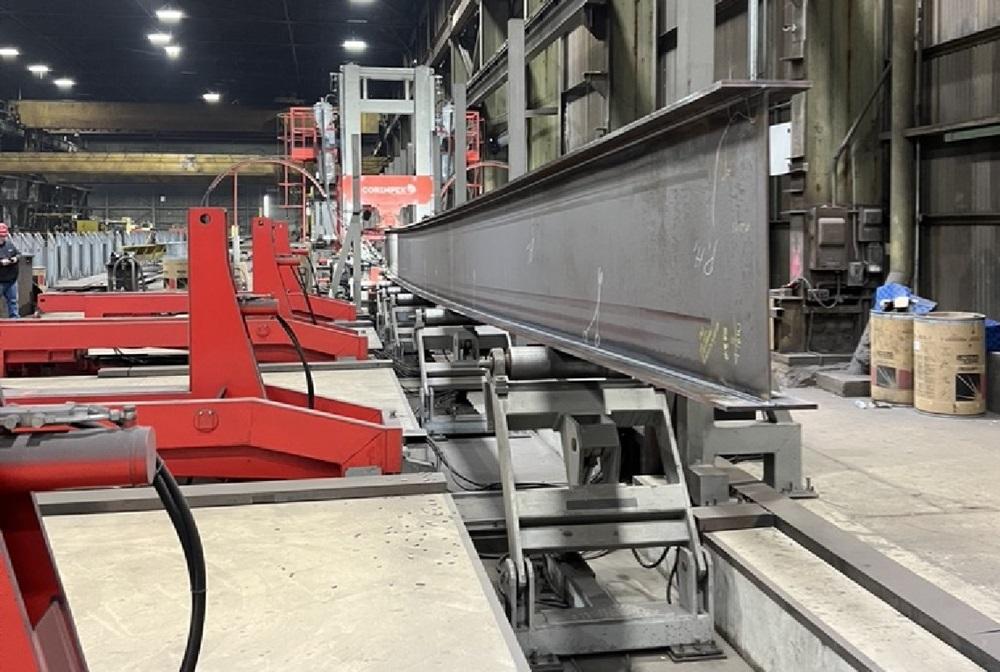

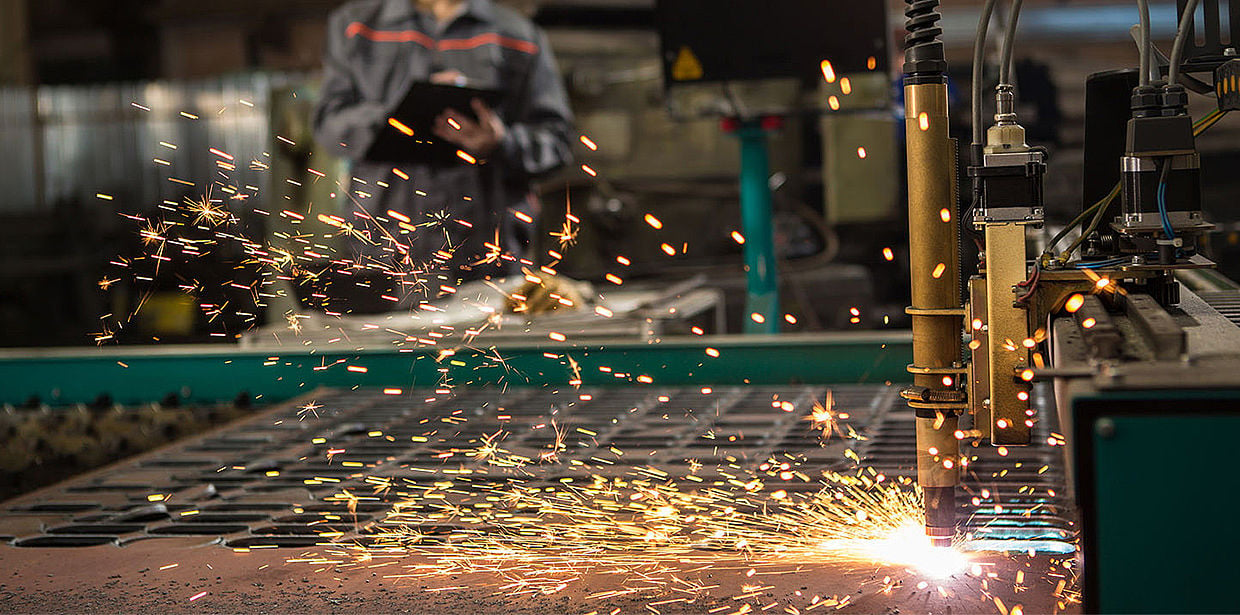
Mild steel contains a low carbon content, making it more flexible and easier to work with.
Key advantages:
- Excellent ductility (bends without breaking)
- Easy to cut, weld, and machine
- Lower cost and widely available
- Suitable for structural fabrication
Limitations:
- Prone to rust and corrosion
- Requires paint, coating, or galvanizing for protection
- Lower corrosion resistance compared to stainless steel
Common applications:
- Structural frames and supports
- Gates, grills, and railings
- Industrial fabrication
- Automotive components
👉 Best for general fabrication and cost-effective construction.
Strength & Performance Comparison
| Property | Stainless Steel | Mild Steel |
|---|---|---|
| Strength & hardness | High | Moderate |
| Corrosion resistance | Excellent | Poor (needs coating) |
| Ductility | Moderate | Excellent |
| Weldability | Moderate | Excellent |
| Cost | High | Low |
| Maintenance | Low | Requires protection |
When to Choose Stainless Steel
Choose stainless steel when you need:
✔ Corrosion resistance (moisture, chemicals, marine environments)
✔ High strength and durability
✔ Hygienic surfaces
✔ Premium finish and longevity
When to Choose Mild Steel
Choose mild steel when you need:
✔ Budget-friendly material
✔ Easy fabrication and welding
✔ Structural flexibility and bending
✔ Indoor or protected applications
Summary
Stainless steel is stronger, harder, and highly resistant to corrosion due to its chromium content, making it ideal for high-stress and moisture-prone environments. Mild steel offers excellent ductility, ease of fabrication, and affordability but requires protective coatings to prevent rust.
The best choice depends on the application: use stainless steel for durability and corrosion resistance, and mild steel for cost-effective fabrication and formability.