Steel fabrication requires a combination of technical expertise, precision, and safety awareness. Fabricators transform raw steel into structural components, machinery parts, and industrial products, making accuracy and craftsmanship essential.
1. Blueprint Reading & Technical Drawing Interpretation

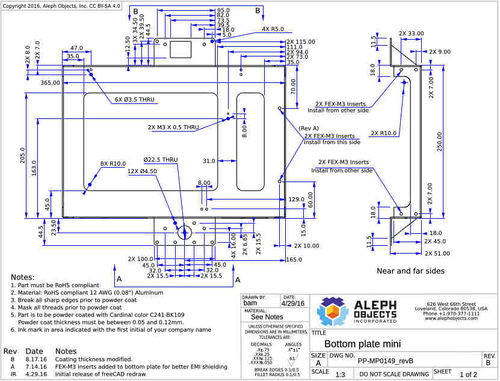

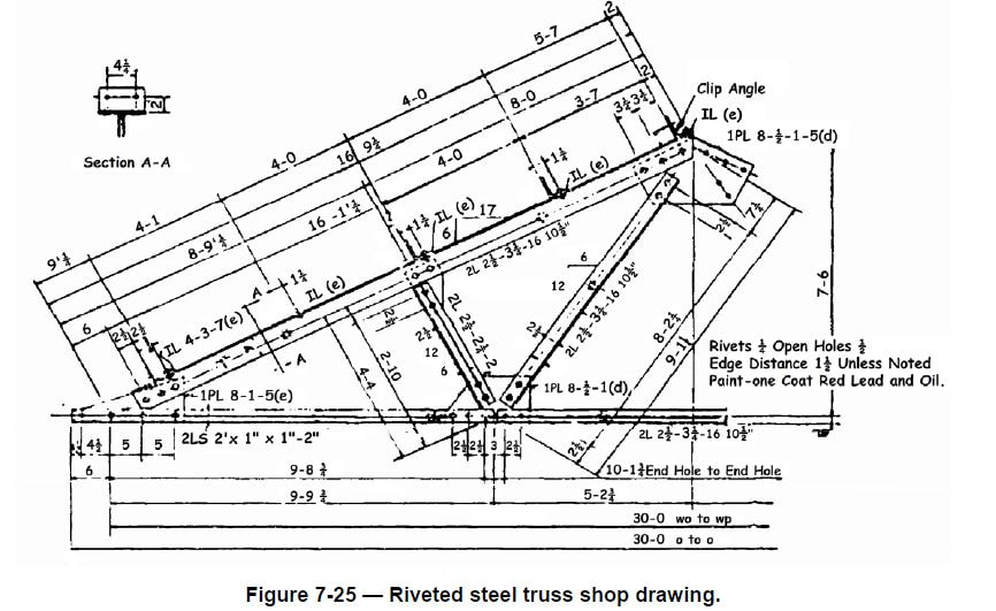
Understanding technical drawings ensures accurate fabrication.
Includes:
- Reading measurements and tolerances
- Interpreting symbols and welding instructions
- Following structural specifications
This skill prevents costly errors and ensures structural integrity.
2. Measuring & Precision Skills
Steel fabrication demands exact measurements.
Essential abilities:
- Using measuring tools (tape, calipers, squares)
- Maintaining tight tolerances
- Ensuring proper alignment and fit
Precision is critical for safety and durability.
3. Cutting & Shaping Techniques
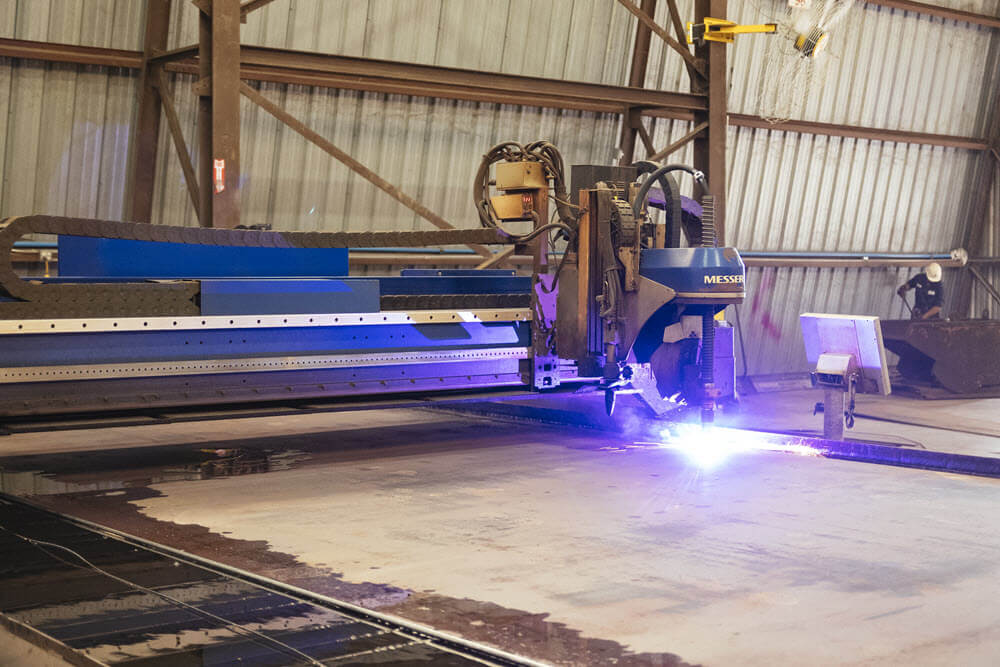

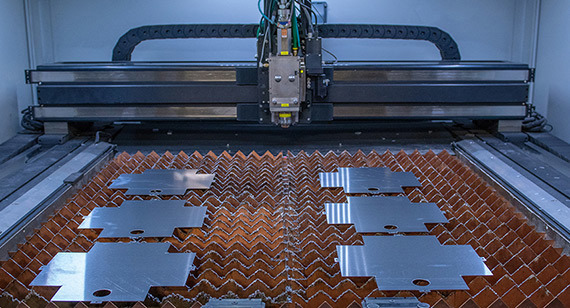

Fabricators must shape steel accurately.
Common methods:
- Plasma and laser cutting
- Saw cutting and grinding
- Bending and forming metal
Proper shaping ensures correct assembly.
4. Welding & Joining Skills
Welding is a core skill in steel fabrication.
Common welding techniques:
- MIG welding
- TIG welding
- Arc welding
- Spot welding
Strong welds ensure structural strength and durability.
5. Machine Operation & Tool Handling
Fabricators work with specialized machinery.
Equipment includes:
- CNC machines
- Press brakes and rollers
- Drill presses
- Grinders and cutting tools
Safe and efficient operation increases productivity.
6. Safety Awareness & Compliance
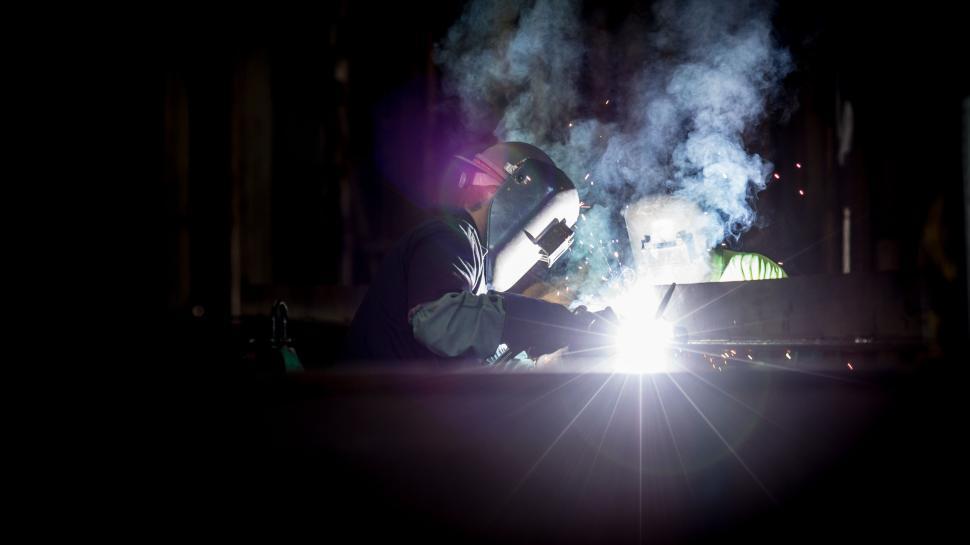


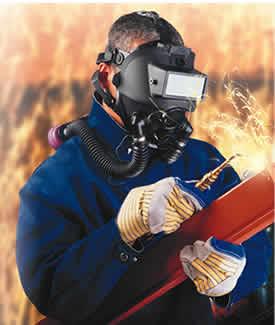
Steel fabrication involves high-risk equipment and materials.
Safety practices include:
- Wearing protective gear (gloves, helmets, masks)
- Following welding and fire safety procedures
- Handling heavy materials safely
Safety training reduces workplace accidents.
7. Attention to Detail
Precision workmanship ensures quality results.
Fabricators must:
- Maintain alignment and structural accuracy
- Ensure smooth finishes
- Verify measurements before assembly
Small mistakes can affect performance and safety.
8. Problem-Solving & Adaptability
Unexpected challenges arise during fabrication.
Fabricators must:
- Adjust designs to material limitations
- Correct alignment or fitting issues
- Troubleshoot welding or machine problems
Adaptability ensures project completion.
9. Physical Strength & Stamina
The work can be physically demanding.
Requirements include:
- Lifting heavy materials
- Standing for extended periods
- Working in industrial environments
Physical endurance supports productivity.
Summary
Steel fabrication requires skills such as blueprint reading, precision measuring, cutting and shaping, welding, machine operation, safety awareness, attention to detail, problem-solving, and physical stamina. These skills ensure accurate fabrication, structural integrity, and safe working practices.
With training and experience, fabricators can build rewarding careers in construction, manufacturing, infrastructure, and industrial sectors.