Stainless steel is not 100% rust-proof. It is highly rust-resistant, but under certain conditions it can corrode. Its corrosion resistance comes from chromium, which forms a thin protective oxide layer on the surface.
Why Stainless Steel Resists Rust

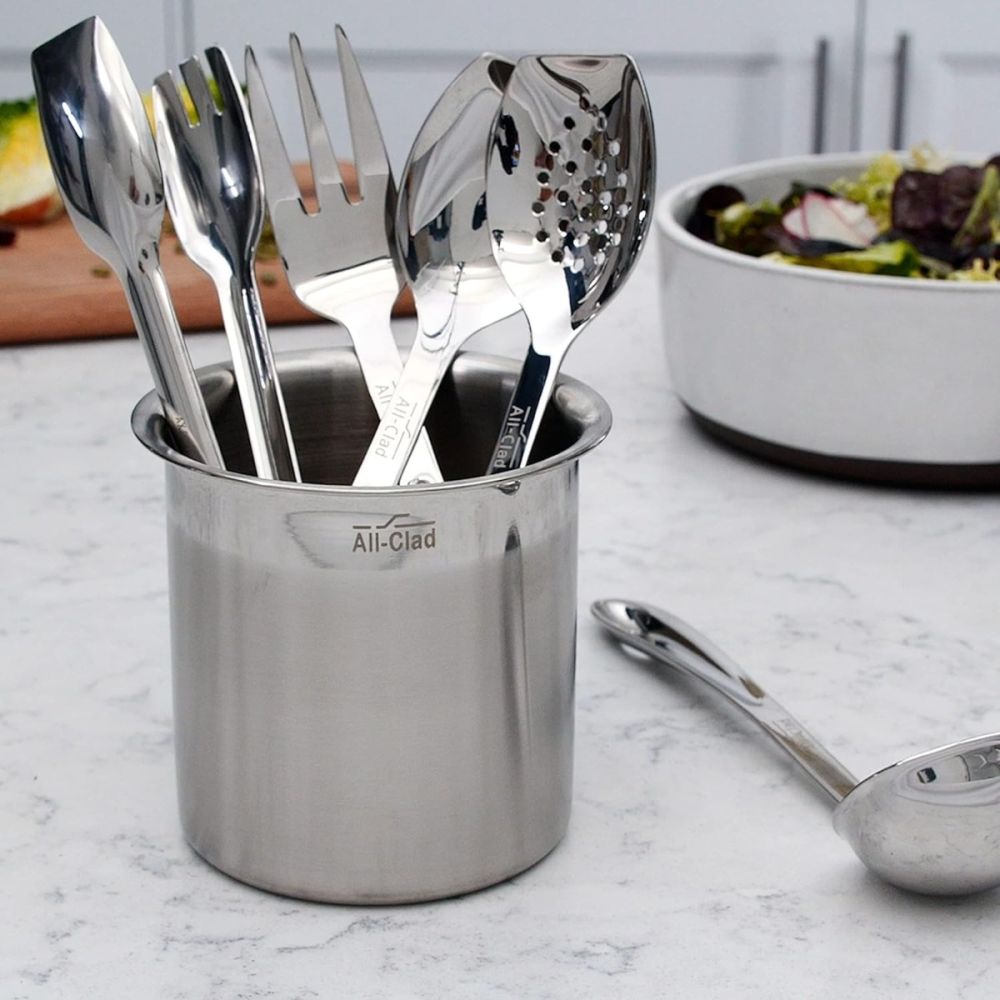
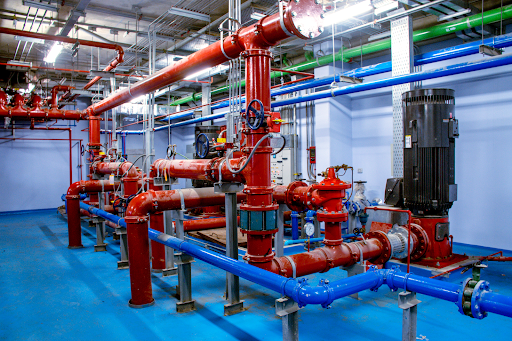
Chromium protection layer
- Stainless steel contains at least 10.5% chromium
- Chromium reacts with oxygen to form a passive oxide layer
- This layer prevents moisture and oxygen from reaching the metal
✔ Self-healing when scratched
✔ Protects against corrosion
✔ Provides long-term durability
Why Stainless Steel Can Still Rust
Rust or corrosion can occur when the protective layer is compromised.
Common causes:
- Exposure to saltwater or marine environments
- High chloride levels (coastal air, swimming pools)
- Chemical exposure or acidic conditions
- Surface contamination from carbon steel particles
- Poor maintenance or buildup of dirt
- Low-quality or incorrect steel grade
Harsh environments accelerate corrosion.
Importance of Choosing the Right Grade
Different grades offer varying corrosion resistance.
Common grades:
304 Stainless Steel
- Good general corrosion resistance
- Suitable for indoor and mild outdoor use
316 Stainless Steel
- Contains molybdenum for enhanced protection
- Superior resistance to saltwater and chlorides
- Ideal for marine and coastal environments
👉 Grade selection is critical for longevity.
Conditions That Increase Rust Risk
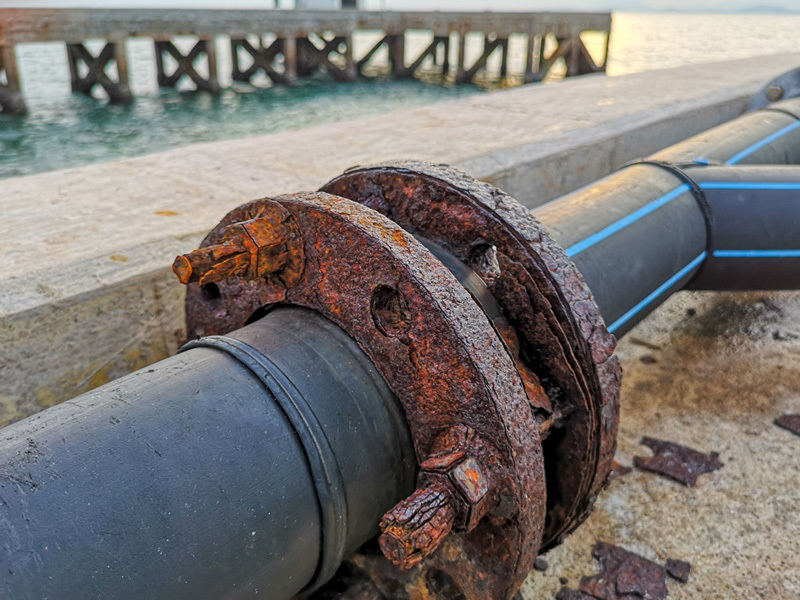

Rust risk increases in:
- Coastal and marine environments
- Swimming pools and chlorine exposure
- Industrial chemical settings
- Areas with poor cleaning and maintenance
How to Prevent Rust on Stainless Steel
✔ Choose the correct grade for the environment
✔ Clean regularly to remove salt and contaminants
✔ Avoid contact with carbon steel tools or particles
✔ Use protective finishes in extreme conditions
✔ Rinse with fresh water in coastal areas
Proper care maintains corrosion resistance.
Stainless Steel vs Rust Resistance
| Property | Stainless Steel |
|---|---|
| Rust-proof | ❌ No |
| Rust-resistant | ✔ Yes |
| Self-healing surface | ✔ Yes |
| Corrosion in harsh environments | Possible |
| Maintenance required | Minimal but important |
Summary
Stainless steel is not completely rust-proof but is highly resistant to corrosion due to its chromium-based protective layer. It can still rust in harsh environments such as saltwater exposure, high chloride conditions, or when the protective layer is damaged.
Selecting the correct grade—such as 316 stainless steel for marine environments—and maintaining the surface properly ensures optimal performance and long-term durability.