In India, structural steel and reinforced concrete components must comply with specific Bureau of Indian Standards (BIS) codes to ensure safety, durability, and structural performance. These standards regulate material properties, design practices, manufacturing tolerances, and quality control.
Key Standards for Structural Steel
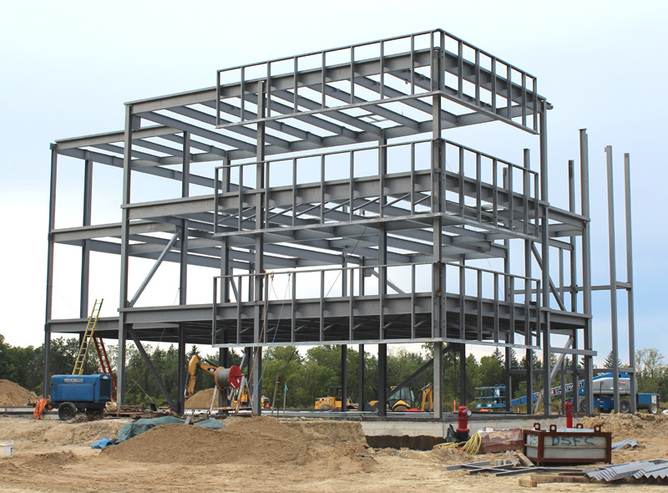
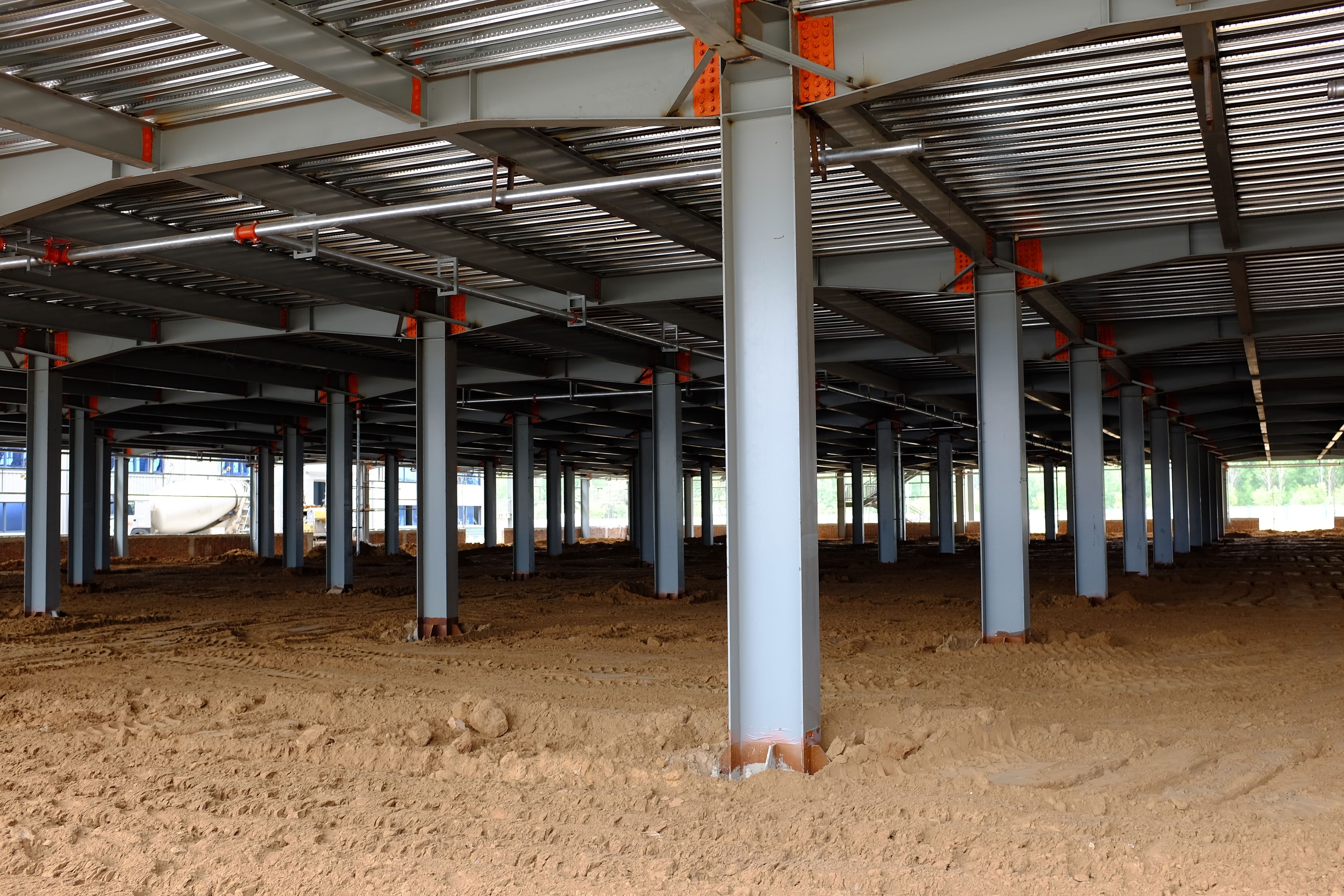
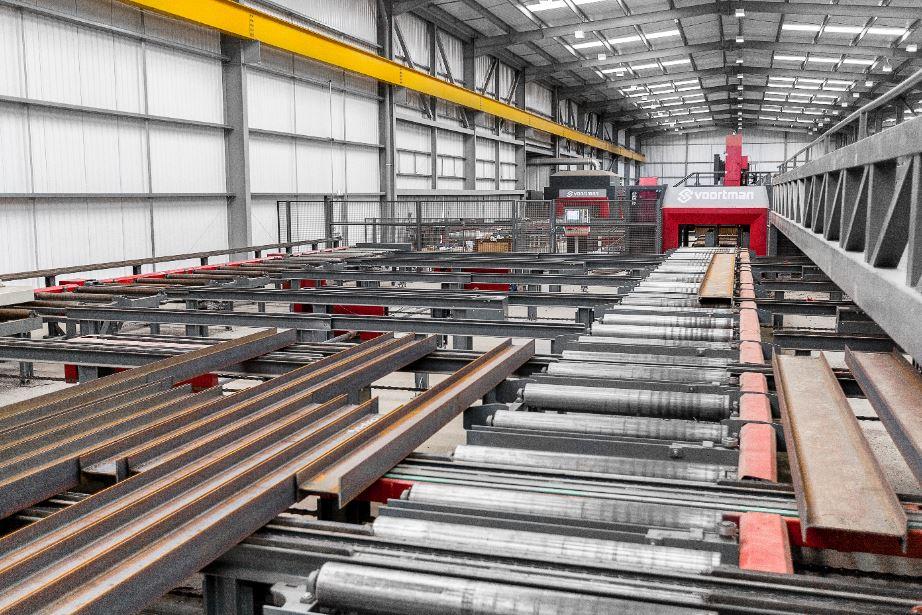
1. IS 800 – General Construction in Steel
Purpose: Code of practice for structural steel design.
Covers:
- Load calculations and structural design
- Safety factors and stability
- Fabrication and erection practices
- Limit state design principles
👉 Primary guideline for steel structure design.
2. IS 2062 – Structural Steel Specification
Purpose: Defines material properties for structural steel.
Includes:
- Mechanical properties and strength grades
- Chemical composition requirements
- Weldability and toughness standards
👉 Common grades include E250, E350, and E410.
3. IS 808 – Dimensions for Hot Rolled Steel Sections
Purpose: Standardizes sizes of structural steel sections.
Covers:
- Beams, channels, angles, and tees
- Section dimensions and tolerances
- Weight and geometric specifications
👉 Ensures uniformity for design and construction.
4. IS 4923 – Hollow Steel Sections
Purpose: Specifications for hollow structural sections (HSS).
Applications:
- Structural frameworks
- Industrial and commercial buildings
- Bridges and towers
👉 Used for high-strength tubular structures.
Standard for RCC Reinforcement Steel

IS 1786 – High Strength Deformed Steel Bars & Wires for Concrete Reinforcement
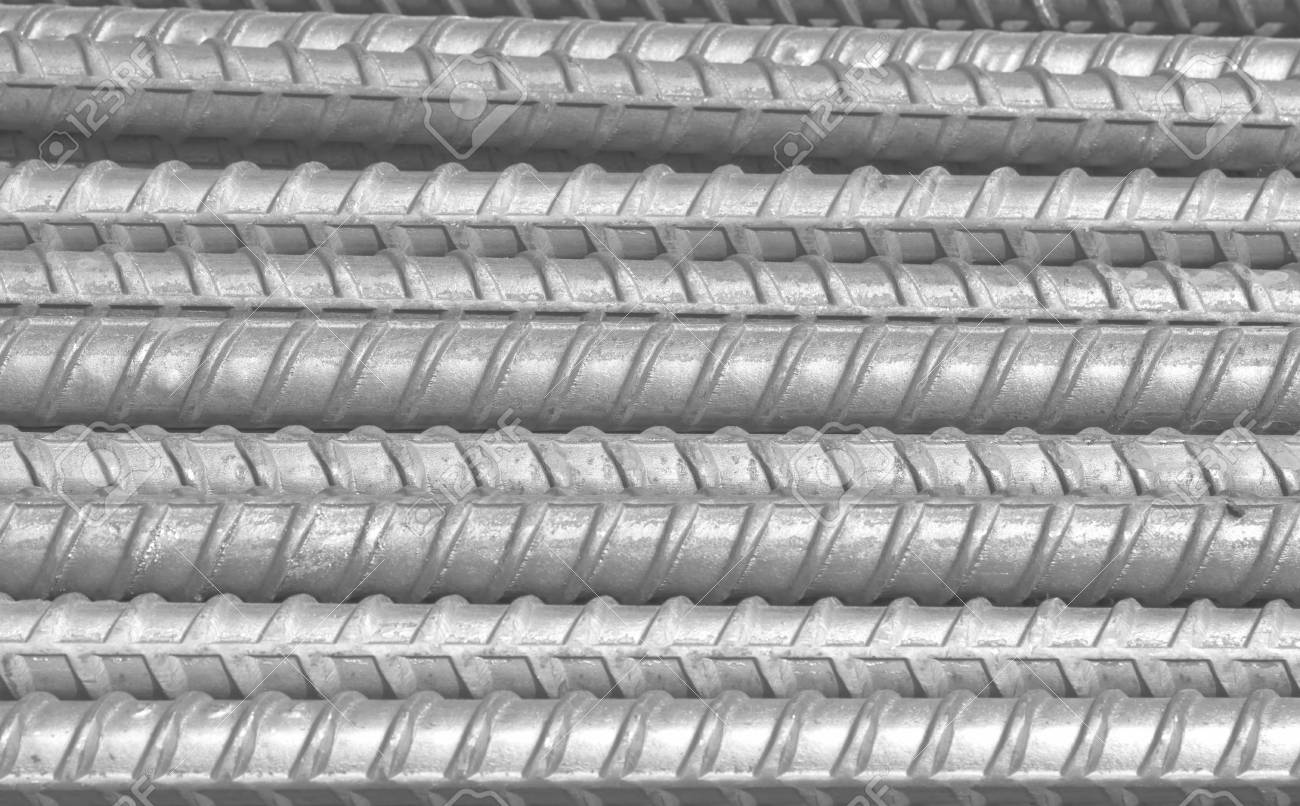
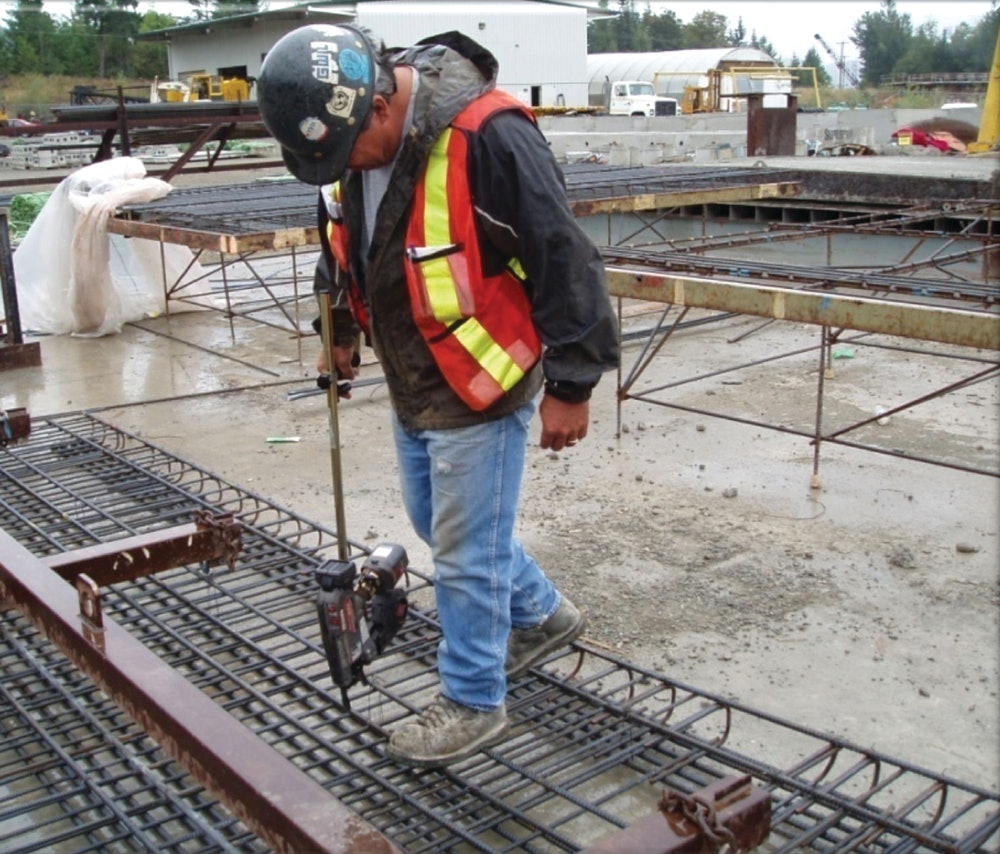
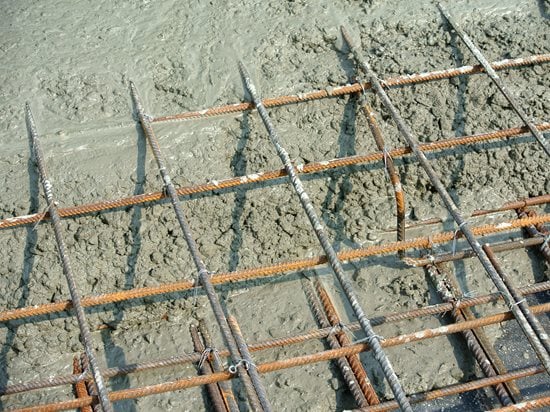
IS 1786 is the definitive standard for TMT bars used in RCC construction.
It specifies:
✔ Grade Strength Requirements
- Fe 415
- Fe 500
- Fe 550
- Fe 600
✔ Ductility & Elongation Limits
Ensures flexibility and seismic performance.
✔ Rib Pattern & Deformation
Improves bond strength between steel and concrete.
✔ Weight & Dimensional Tolerances
Ensures consistency and structural reliability.
✔ Chemical Composition Limits
Controls carbon, sulfur, and phosphorus for weldability and durability.
Why IS 1786 Is Critical for RCC Structures
IS 1786 ensures:
✔ Accurate grade strength and performance
✔ Proper bonding with concrete
✔ Earthquake resistance through ductility
✔ Structural safety and durability
✔ Uniform quality across manufacturers
Compliance is mandatory for RCC construction.
Importance of BIS Compliance
Adhering to Indian standards ensures:
- Structural safety and reliability
- Compatibility with design codes
- Quality assurance and durability
- Legal and regulatory compliance
- Reduced risk of structural failure
Summary
Structural steel in India must comply with standards such as IS 800 (design practices), IS 2062 (material specifications), IS 808 (section dimensions), and IS 4923 (hollow sections). For reinforced concrete construction, IS 1786 is the definitive standard governing TMT bars, specifying grade strength, ductility, rib patterns, and weight tolerances.
Following these standards ensures safe, durable, and compliant structural construction.