Fabrication is a skilled trade that involves cutting, shaping, assembling, and finishing materials—primarily metal—to create structures, machinery parts, and industrial products. With strong demand across construction, manufacturing, and infrastructure sectors, fabrication offers stable career opportunities and long-term growth.
1. Understand the Fabrication Field


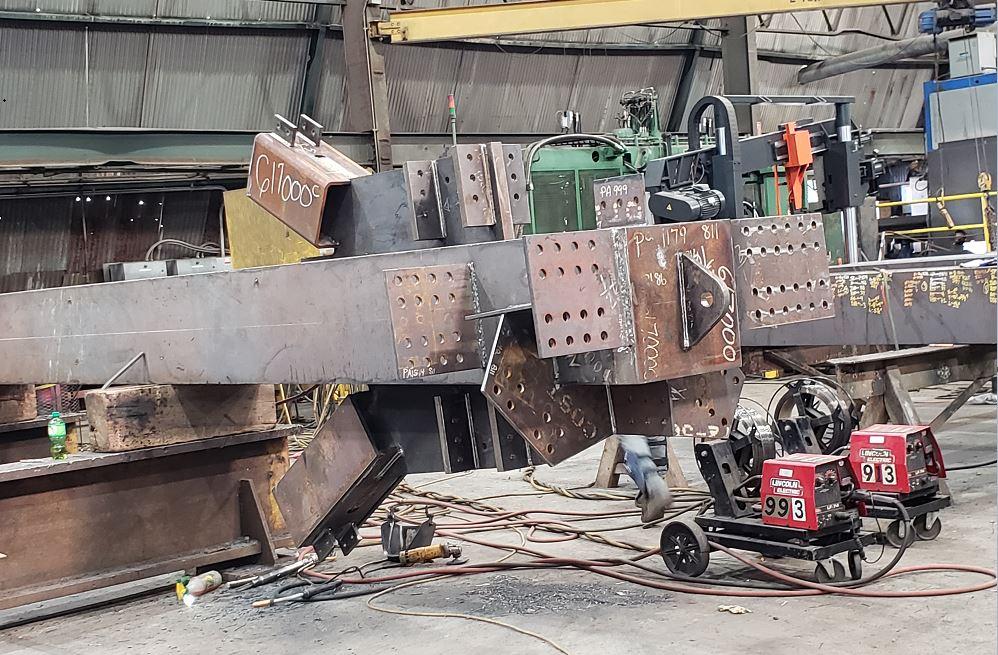

Fabricators work in various industries and environments.
Common fabrication sectors:
- Construction and structural steel
- Manufacturing and machinery
- Automotive and transportation
- Oil & gas and energy plants
- Shipbuilding and heavy engineering
Understanding the field helps you choose a specialization.
2. Complete Basic Education
Most entry-level fabrication roles require:
- Completion of secondary school (10th or 12th grade)
- Basic math and measurement skills
- Ability to understand technical instructions
Mathematics and mechanical understanding are valuable foundations.
3. Enroll in Technical Training or ITI Courses
Formal training improves job prospects and skill development.
Popular courses include:
- Welder trade certification
- Fitter and fabrication training
- Sheet metal worker course
- Mechanical fabrication programs
In India, Industrial Training Institutes (ITI) and polytechnic colleges offer relevant programs.
4. Learn Core Fabrication Skills



Key skills to develop:
Technical skills:
- Welding techniques (MIG, TIG, Arc)
- Blueprint and technical drawing reading
- Measuring and cutting precision
- Machine operation and tool handling
Hands-on practice is essential for mastery.
5. Gain Apprenticeship or On-the-Job Training
Practical experience is critical in fabrication.
Benefits of apprenticeships:
- Real-world skill development
- Exposure to tools and machinery
- Understanding safety procedures
- Learning from experienced professionals
Many fabricators start as helpers or trainees.
6. Obtain Certifications & Safety Training
Certifications improve credibility and job opportunities.
Valuable certifications:
- Welding certification programs
- Safety training (industrial safety, PPE use)
- Machine operation certification
Certified fabricators often earn higher wages.
7. Build Experience & Specialize
With experience, you can specialize in high-demand areas:
- Structural steel fabrication
- Industrial piping and welding
- CNC machining and precision fabrication
- Heavy equipment and plant fabrication
Specialization increases earning potential.
8. Explore Career Growth Opportunities
Fabrication offers multiple career paths:
- Skilled fabricator or welder
- Fabrication supervisor
- Quality inspector
- Workshop manager
- Independent contractor or business owner
Experience and technical expertise support career advancement.
9. Essential Qualities for Success
Successful fabricators typically possess:
✔ Attention to detail
✔ Physical stamina and endurance
✔ Mechanical aptitude
✔ Safety awareness
✔ Problem-solving ability
These qualities ensure efficiency and safety on the job.
10. Job Opportunities & Demand
Fabrication skills are in demand due to:
- Infrastructure and construction growth
- Industrial expansion
- Renewable energy projects
- Manufacturing and automation
Skilled professionals remain essential despite automation.
Summary
To start a career in fabrication, complete basic education, enroll in technical training, develop welding and machining skills, and gain hands-on experience through apprenticeships. Certifications and specialization improve job prospects and earning potential.
With growing demand across industries, fabrication offers a stable, skill-based career with strong long-term opportunities.