Steel structures are classified based on their structural systems and load-bearing behavior. Each type is designed to meet specific span requirements, structural strength needs, and functional uses—from simple building frames to large-span roofs and bridges.
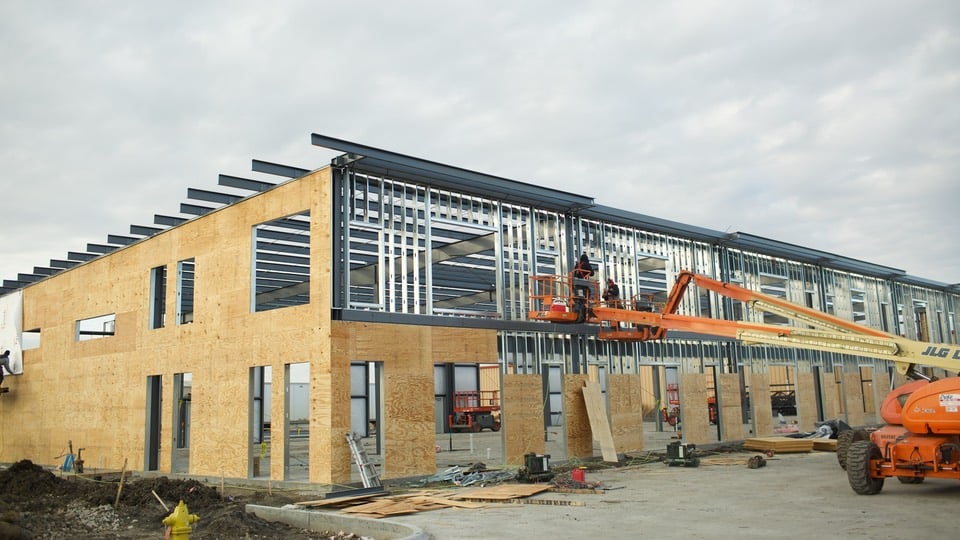
1. Basic Building Frames (Steel Frame Structures)
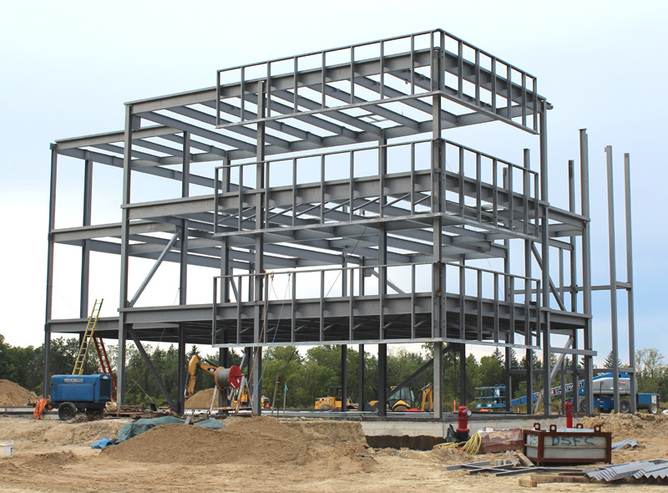

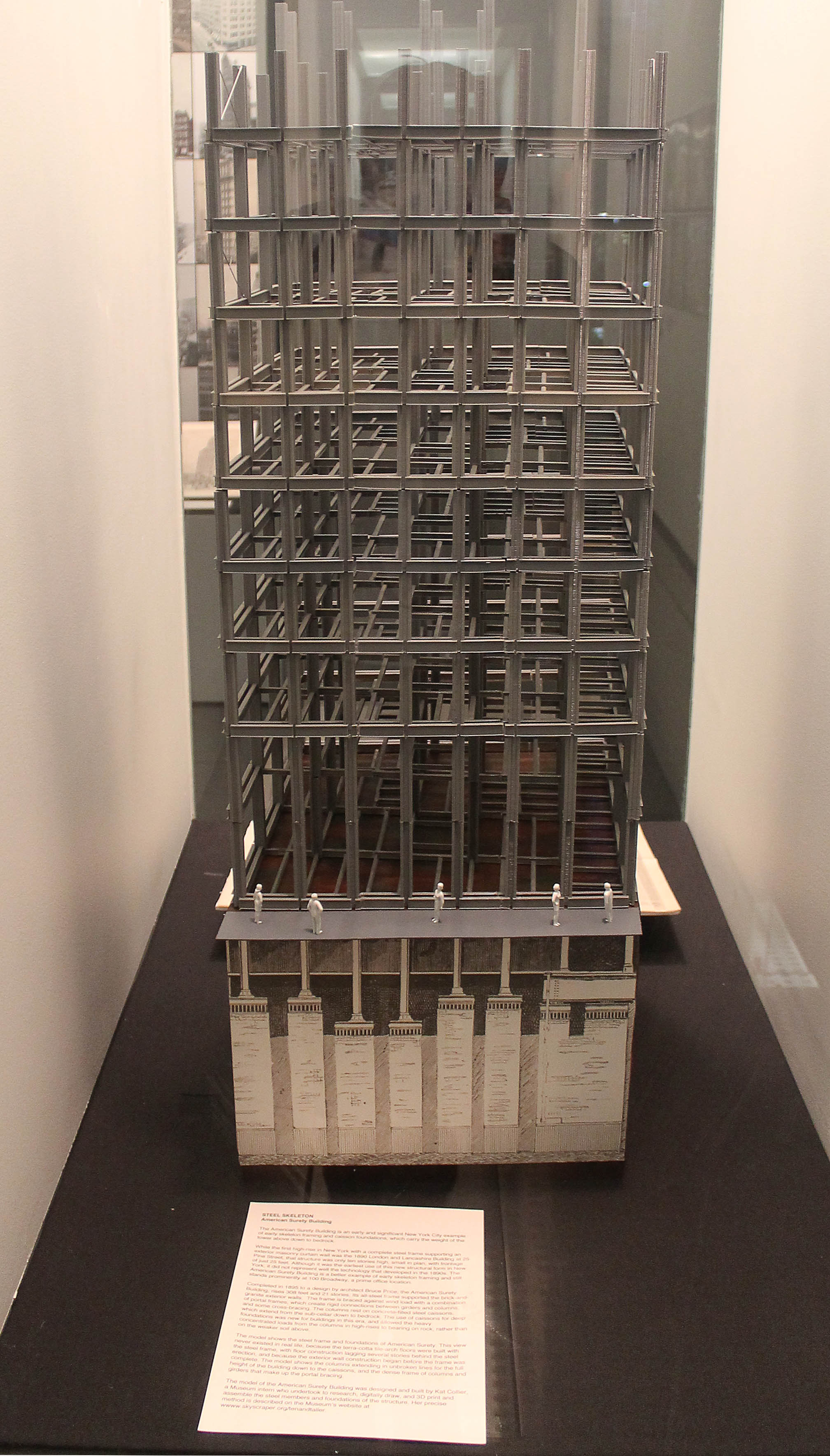
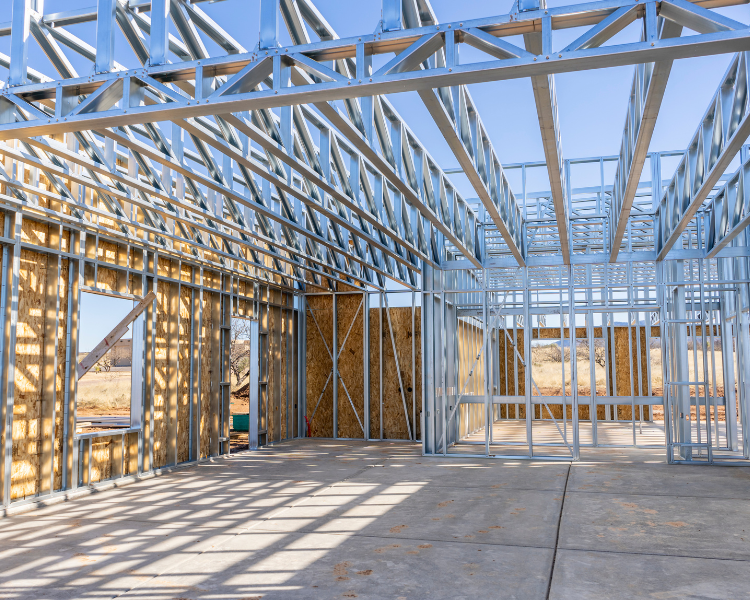
Best for: Multi-storey buildings and industrial structures
Characteristics:
- Vertical columns and horizontal beams form the structure
- Supports floors, walls, and roofing systems
- Flexible and adaptable design
Common uses:
- Commercial buildings
- Factories and warehouses
- High-rise structures
This is the most widely used structural steel system.
2. Portal Frame Structures
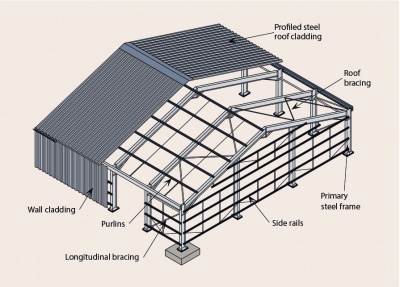
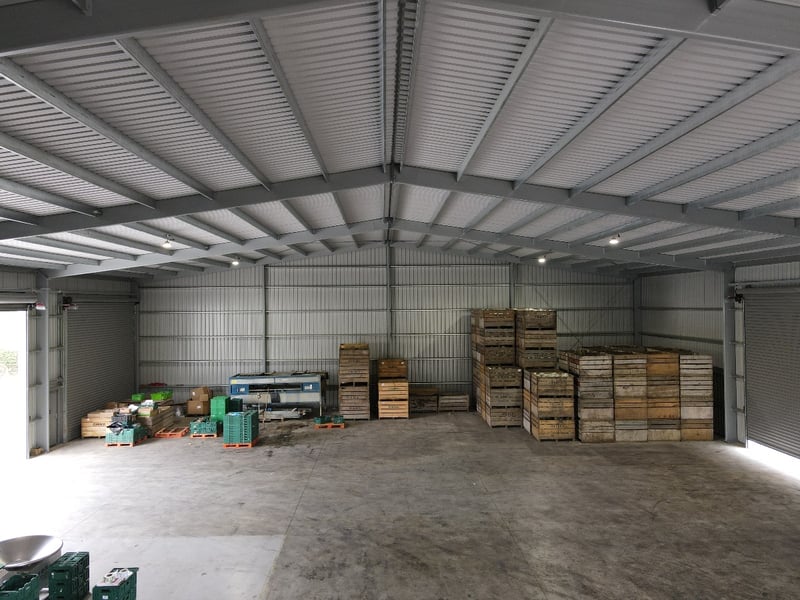

Best for: Large open interior spaces
Characteristics:
- Rigid joints between columns and rafters
- Efficient load distribution
- Minimal internal columns
Common uses:
- Warehouses
- Industrial sheds
- Agricultural buildings
- Aircraft hangars
Portal frames provide cost-effective large-span solutions.
3. Truss Structures
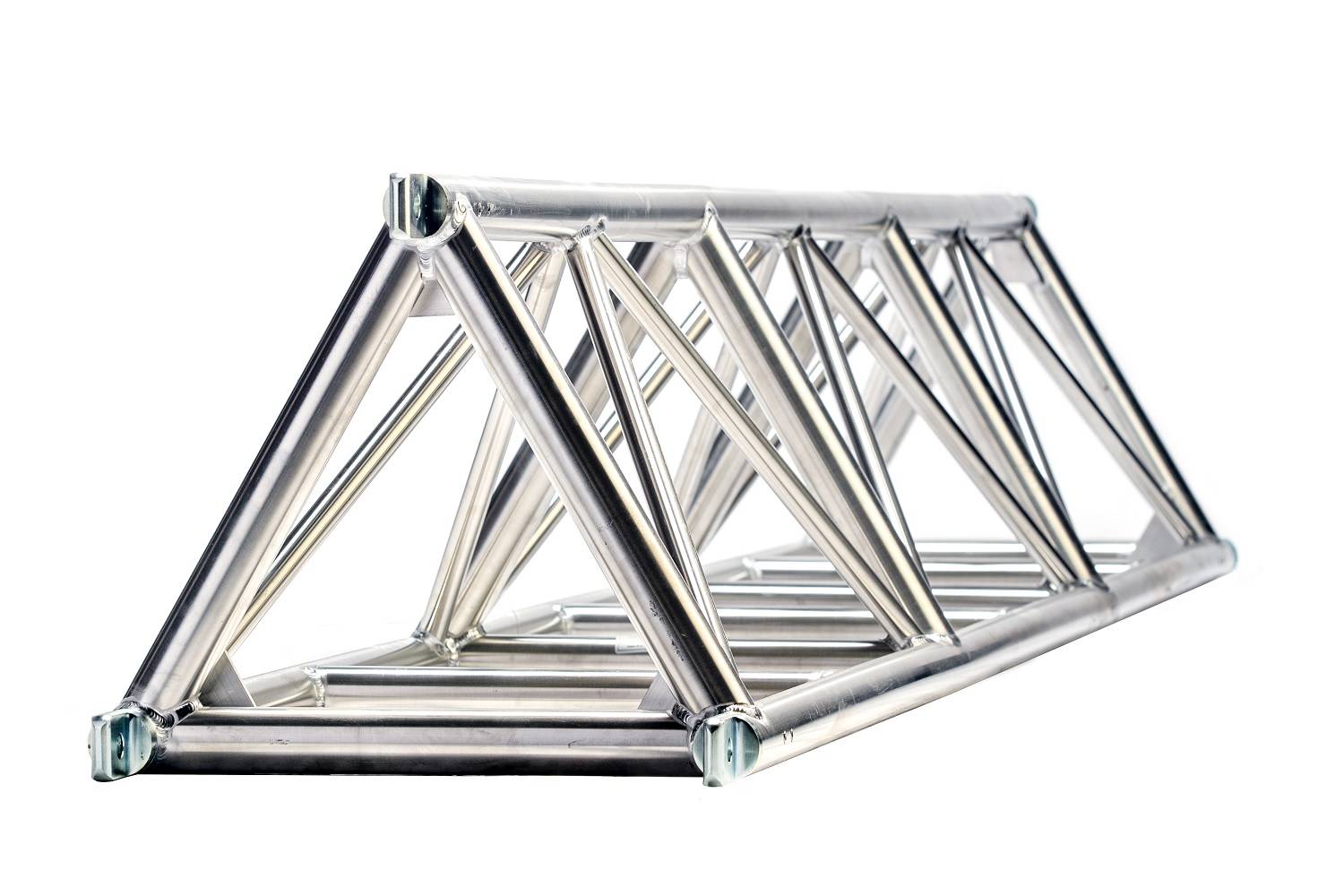
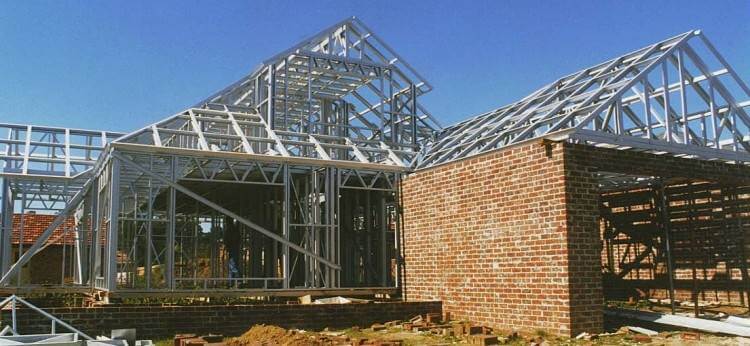
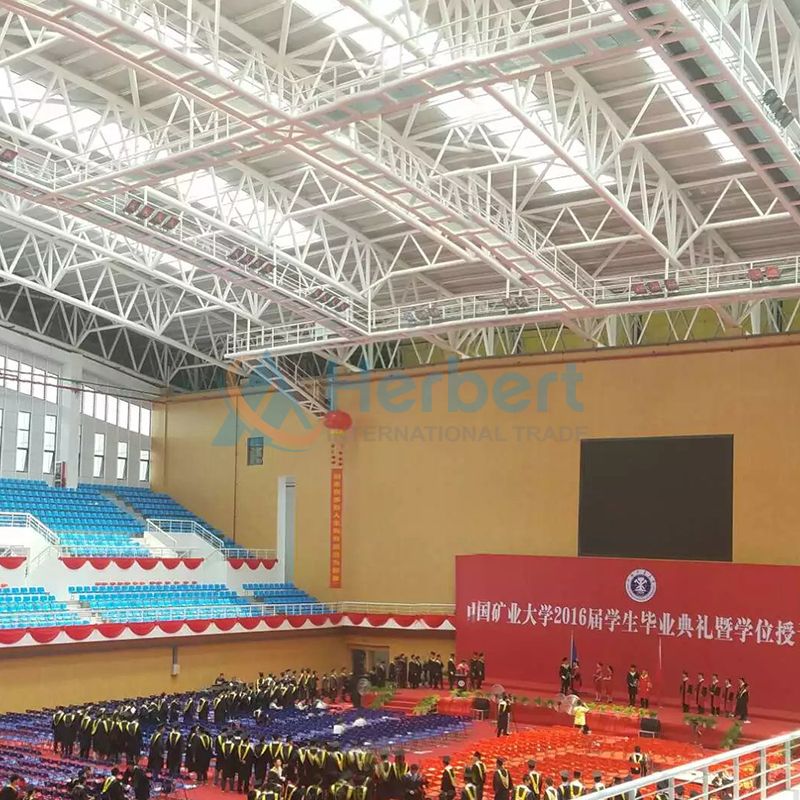
Best for: Long-span roofs and bridges
Characteristics:
- Triangular framework for strength and stability
- Lightweight yet strong
- Efficient load distribution
Common uses:
- Stadium roofs
- Railway stations
- Bridges
- Large industrial buildings
Trusses allow large spans with reduced material weight.
4. Grid (Space Frame) Structures


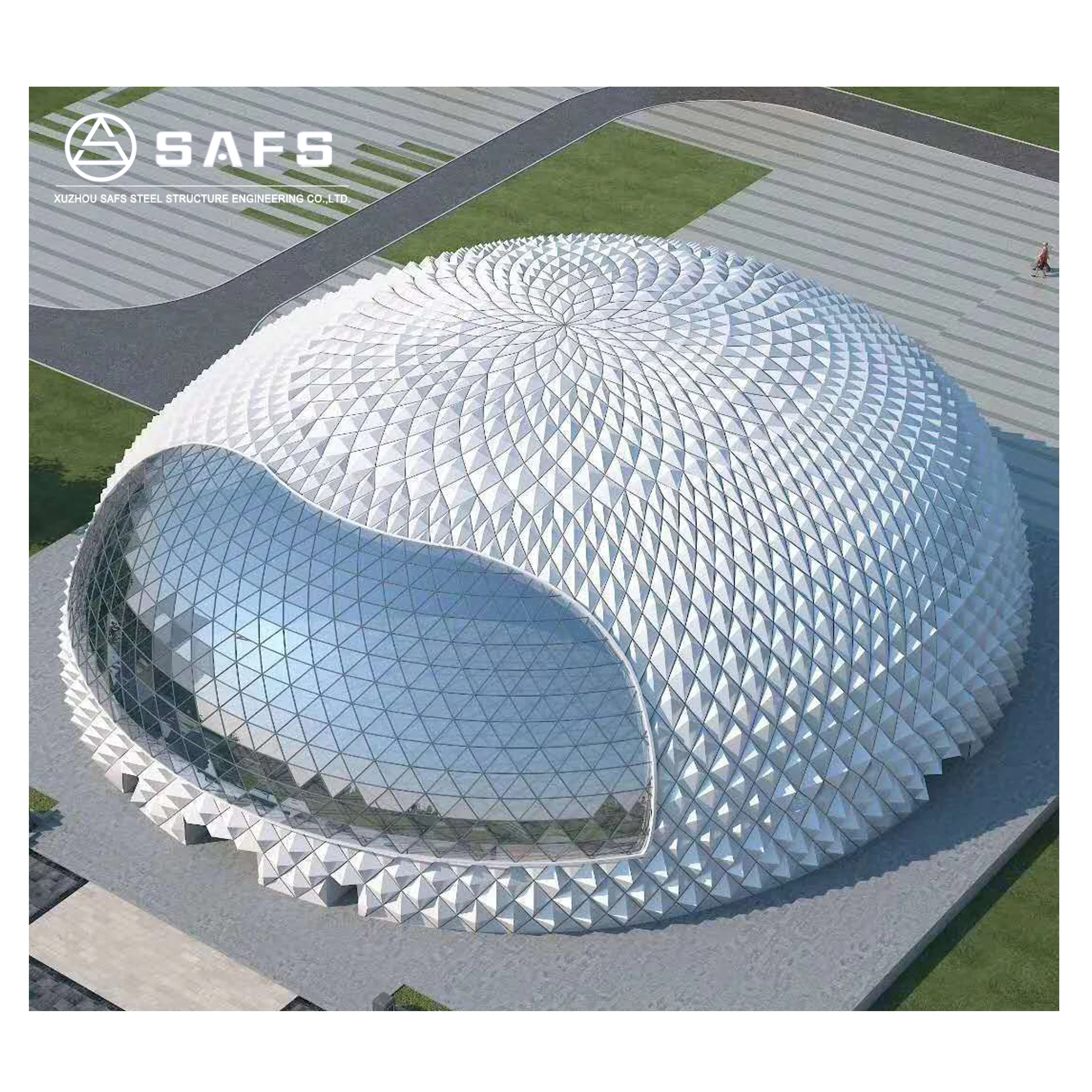
Best for: Large-span and complex architectural designs
Characteristics:
- Three-dimensional grid system
- High strength-to-weight ratio
- Excellent load distribution in multiple directions
Common uses:
- Airports and exhibition halls
- Shopping malls
- Sports arenas
- Dome structures
Space frames support expansive roofs without internal supports.
Quick Comparison
| Structure Type | Span Capability | Strength | Typical Use |
|---|---|---|---|
| Basic Frames | Moderate | High | Buildings & factories |
| Portal Frames | Large | High | Warehousing & sheds |
| Truss Structures | Very large | Excellent | Bridges & stadiums |
| Grid Structures | Extra large | Superior | Airports & arenas |
Choosing the Right Structural System
Selection depends on:
✔ Span and load requirements
✔ Building purpose and layout
✔ Budget and construction speed
✔ Architectural design complexity
✔ Environmental and wind load conditions
Proper structural selection ensures safety, durability, and cost efficiency.
Summary
The four common steel building structural systems—basic building frames, portal frames, truss structures, and grid (space frame) structures—serve different construction needs. Basic frames support multi-storey buildings, portal frames provide open-span industrial spaces, trusses enable long-span roofs and bridges, and grid structures support large architectural spans such as airports and stadiums.
Understanding these systems helps engineers and builders choose the most efficient and structurally sound solution.