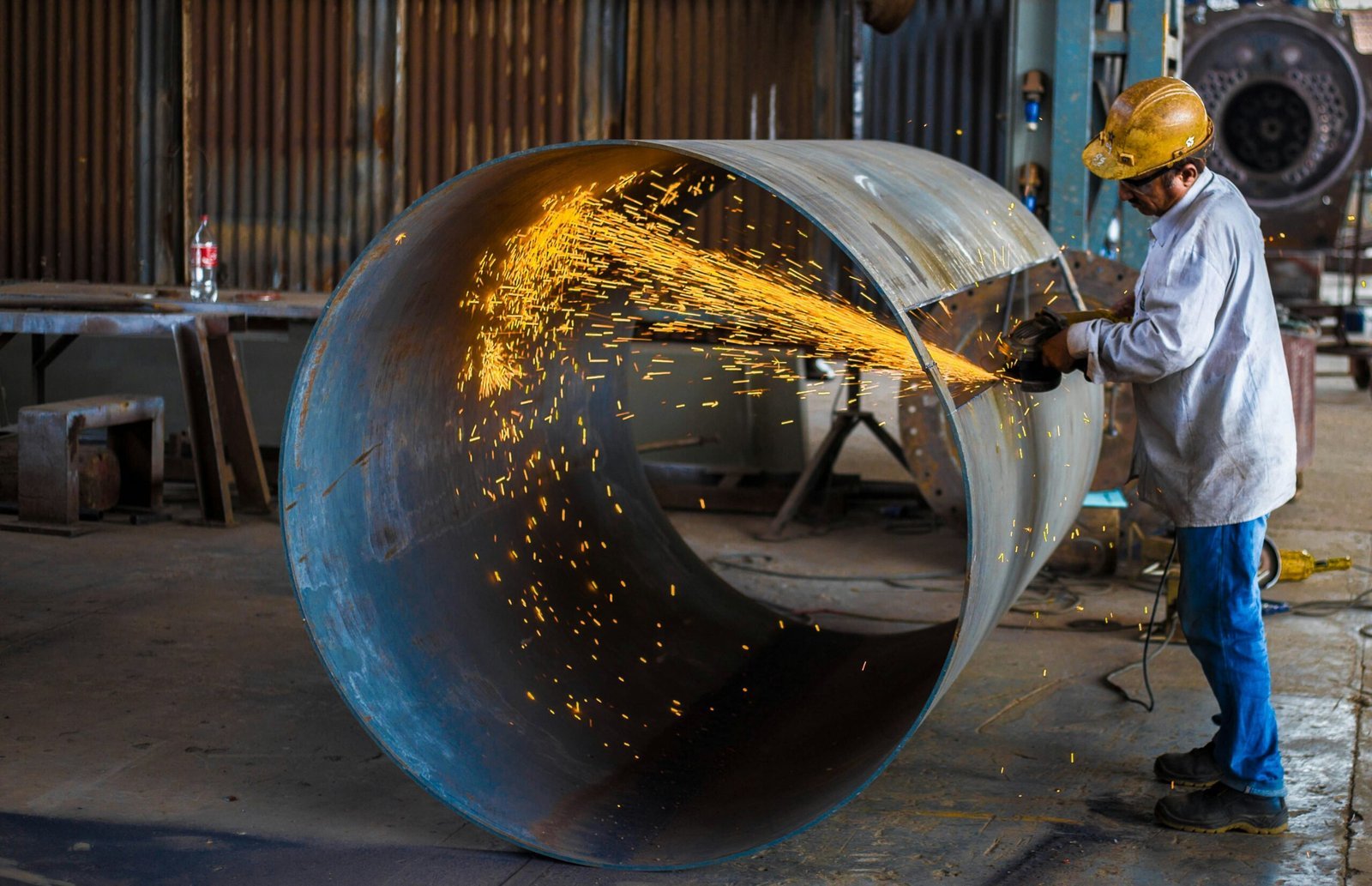
Introduction to Steel Cutting and Welding Services
In today’s industrial landscape, precision and quality are paramount. Our steel cutting and welding services are designed to meet the diverse needs of various sectors. With cutting-edge technology and skilled professionals, we are dedicated to delivering excellent results for every project.
Our Steel Cutting Services
Our steel cutting services utilize advanced machinery to provide intricate and accurate cuts. Whether you require custom shapes, sizes, or thicknesses, our team can handle it all. We specialize in both standard and specialized steel cutting techniques, ensuring that your specifications are met efficiently. From initial design through to delivery, we guarantee a seamless experience.
Why Choose Our Welding Solutions
Welding is a critical component in fabricating steel structures. Our welding services emphasize durability and strength, using the latest welding technology to ensure high-quality bonds. We cater to various welding methods, including MIG, TIG, and stick welding. Each technique is selected based on the specific needs of your project, ensuring optimal results.
In conclusion, our steel cutting and welding services are robust, reliable, and ready to support your next project. With our expertise, you can trust us to deliver exceptional quality and efficiency every time.
Steel cutting and welding services are essential for many industries, including construction, manufacturing, automotive, and fabrication of custom products. These services involve precise cutting of steel to the required specifications and joining pieces together through welding. Whether you need custom metal parts, structural components, or repairs, many companies offer these services. Here’s an overview of steel cutting and welding services:
1. Steel Cutting Services
Steel cutting is a key part of the fabrication process, and it can be performed in several ways depending on the specific requirements of the project. Here are the most common methods of cutting steel:
a) Plasma Cutting
- How it works: Plasma cutting uses a high-temperature plasma jet to cut through steel. The plasma is electrically charged and melts the steel as it moves across the surface.
- Benefits: High precision, fast cutting, and effective for both thin and thick steel.
- Best for: Cutting metal sheets and plates of varying thicknesses.
b) Laser Cutting
- How it works: Laser cutting uses a focused laser beam to cut steel, with a fine and precise cut.
- Benefits: Extremely accurate cuts, minimal heat distortion, and smooth edges.
- Best for: Complex shapes, intricate cuts, and thin materials.
c) Water Jet Cutting
- How it works: A high-pressure stream of water, often mixed with abrasive materials, is used to cut through steel.
- Benefits: Does not generate heat, so there’s no risk of warping, and it can cut thick materials.
- Best for: Cutting thicker steel and materials that are sensitive to heat.
d) Saw Cutting
- How it works: A mechanical saw is used to cut through steel using a rotating blade.
- Benefits: Simple, reliable, and cost-effective for cutting medium to thick steel.
- Best for: Straight cuts and large steel sections.
e) Shearing
- How it works: Shearing involves using a large mechanical press to cut steel without generating heat.
- Benefits: Efficient for cutting steel sheets or strips.
- Best for: Straight-line cuts and trimming sheets to size.
2. Steel Welding Services
Welding is a process that joins two or more pieces of metal by applying heat, pressure, or both. Steel welding services are used to create strong, durable joints, whether for structural components, custom products, or repairs.
a) MIG (Metal Inert Gas) Welding
- How it works: MIG welding uses a wire electrode that melts and joins pieces of steel, with an inert gas protecting the weld from contamination.
- Benefits: Fast, clean, and easy to use, making it ideal for both professionals and beginners.
- Best for: Light to medium steel fabrication, including automotive and general repair work.
b) TIG (Tungsten Inert Gas) Welding
- How it works: TIG welding uses a non-consumable tungsten electrode and an inert gas to weld steel.
- Benefits: Provides precise and clean welds, especially for thinner materials and highly detailed work.
- Best for: High-quality, precise welding in thin steel sheets or pipes.
c) Stick Welding (Shielded Metal Arc Welding – SMAW)
- How it works: Stick welding involves using a consumable electrode coated with flux to create a weld.
- Benefits: Simple, portable, and capable of welding thick steel. Suitable for outdoor or fieldwork.
- Best for: Heavy-duty steel welding and construction projects.
d) Flux-Cored Arc Welding (FCAW)
- How it works: Similar to MIG welding but with a flux-cored wire that generates its own shielding gas.
- Benefits: Can be used for thicker steel and in outdoor environments.
- Best for: Industrial fabrication, particularly in construction and shipbuilding.
e) Submerged Arc Welding (SAW)
- How it works: The welding area is submerged in flux, and an electric arc is formed to melt the steel and create a joint.
- Benefits: Produces high-quality, strong welds with minimal spatter.
- Best for: Heavy-duty fabrication projects involving thick steel.
3. Custom Steel Fabrication
Steel cutting and welding services are often used for custom fabrication, which involves creating unique steel parts and structures according to specific designs or requirements.
- Custom Steel Parts: Fabricators can create parts like brackets, frames, supports, or structural components that fit a specific design or functionality.
- Bespoke Steel Structures: Projects that require structural integrity, such as steel beams, columns, and trusses.
- Repairs: Welders can fix broken or damaged steel components, restoring them to their original strength and function.
4. Applications of Steel Cutting and Welding Services
Steel cutting and welding services are utilized across various industries:
a) Construction
- Applications: Structural steel fabrication for buildings, bridges, and infrastructure projects.
- Services: Fabrication of steel beams, columns, trusses, and custom components.
b) Automotive
- Applications: Custom steel parts, frame repair, and bodywork for vehicles.
- Services: Fabrication of chassis components, roll cages, and exhaust systems.
c) Industrial
- Applications: Manufacturing machinery and industrial equipment, including custom frames and parts.
- Services: Steel cutting for machine components, structural supports, and tanks.
d) Art and Architecture
- Applications: Custom sculptures, decorative gates, railings, and modern steel structures.
- Services: Artistic welding for sculptures and custom architectural elements like staircases, fences, and gates.
e) Shipbuilding and Aerospace
- Applications: Fabrication of steel components for ships, aircraft, and heavy equipment.
- Services: Welding and cutting of specialized materials for marine and aerospace industries.
5. Finding Steel Cutting and Welding Services
To find affordable and reliable steel cutting and welding services, you can consider:
- Local Fabrication Shops: Many cities have metal fabrication shops offering steel cutting and welding services. Visit them to get quotes and see examples of their work.
- Online Platforms: Services like Xometry, Fictiv, and ThomasNet allow you to request quotes from multiple suppliers.
- Trade Shows: Attend industrial and manufacturing trade shows to find welding and cutting experts.
- Industry Networks: Reach out to industry professionals or construction companies who can recommend trusted welding and cutting services.
6. Conclusion
Steel cutting and welding services are fundamental for a variety of applications, from construction and manufacturing to custom projects and repairs. Whether you need to cut steel to size, weld structural components, or create custom metal parts, finding the right service provider ensures quality results. Consider your project’s specific needs, such as the type of steel, cutting precision, and welding method, when choosing a provider. For the best results, always request quotes from multiple fabricators and ensure they have experience in your specific industry.