Latest posts
Understanding Structural Steel Fabrication
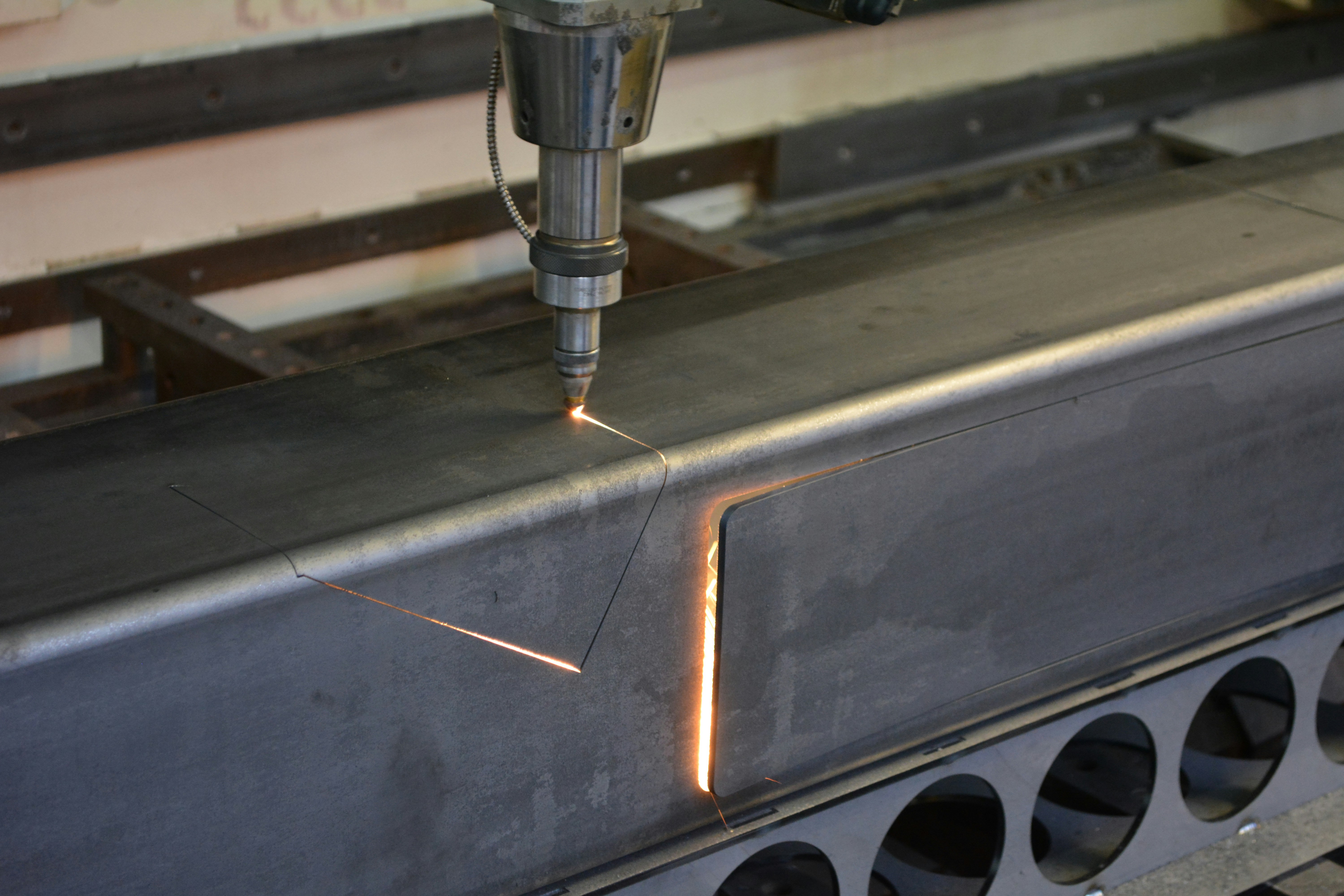
What is Structural Steel Fabrication? Structural steel fabrication is the process of creating steel structures through cutting, bending, and assembling steel elements. These steel elements are fundamental in constructing buildings, bridges, and various infrastructures. The fabrication process ensures that each component is tailored precisely to meet the project requirements, ensuring safety and compliance with engineering…
The Importance of Quality in Metal Fabrication Services

Understanding Metal Fabrication Services Metal fabrication services are essential components of various industries, providing businesses with the capability to create custom metal products. This process typically involves cutting, bending, and assembling metal structures, ensuring precision and quality. Whether you are in construction, automotive, or manufacturing, reliable metal fabrication can significantly impact your operations. Key Benefits…
Understanding the Importance of Iron Fabrication Services
What Are Iron Fabrication Services? Iron fabrication services involve the design, cutting, shaping, and installation of iron-based structures. These services are essential in various industries, from construction to manufacturing. Skilled fabricators use advanced techniques and machinery to ensure precision in every project. Key Benefits of Iron Fabrication Services Utilizing expert iron fabrication services provides numerous…
Understanding Steel Fabrication Services: An Essential Overview
What Are Steel Fabrication Services? Steel fabrication services encompass the process of constructing metal structures by cutting, bending, and assembling steel materials. This integral service is essential across various industries, from construction and manufacturing to shipbuilding and automotive. Skilled fabricators utilize advanced techniques and machinery to ensure precision and durability in their products. The Importance…
Welding Positions 1G to 6G: Meaning & Importance
In welding, 1G, 2G, 3G, 4G, 5G, and 6G are standardized position codes used to evaluate a welder’s skill. The number identifies the orientation of the joint, while the letter “G” indicates a groove weld. These positions progress from the simplest flat weld to complex pipe welding positions, ensuring welders can perform quality welds in…
Indian Standards for Structural Steel & RCC Reinforcement
In India, structural steel and reinforced concrete components must comply with specific Bureau of Indian Standards (BIS) codes to ensure safety, durability, and structural performance. These standards regulate material properties, design practices, manufacturing tolerances, and quality control. Key Standards for Structural Steel 1. IS 800 – General Construction in Steel Purpose: Code of practice for…
Grade 40 Rebar: Strength, Uses & Advantages
Grade 40 rebar is a widely used reinforcing steel grade, particularly in the Philippines and other regions using ASTM standards. It provides a reliable balance between strength, flexibility, and workability, making it suitable for a variety of construction applications. What Grade 40 Means Yield strength definition: The stress level at which steel begins to permanently…
SS 302 vs SS 304: Key Differences & Applications
Stainless Steel 302 and 304 are both part of the 18/8 austenitic stainless steel family, meaning they contain approximately 18% chromium and 8% nickel. While they appear similar, differences in carbon content influence strength, corrosion resistance, and typical applications. Chemical Composition Grade Chromium Nickel Carbon Key Effect SS 302 ~18% ~8% Up to 0.15% Higher…
Fe-415 vs Fe-500 TMT Bars: Strength & Key Differences
TMT (Thermo-Mechanically Treated) bars are graded based on their yield strength, which indicates the stress required to permanently deform the steel. The grade designation (Fe-415, Fe-500, etc.) reflects this strength in N/mm² (MPa). What Do Fe-415 and Fe-500 Mean? Yield strength definition: The force required to permanently deform the bar. Strength Comparison Grade Yield Strength…
18/8 vs 18/10 vs 18/0 Stainless Steel: What’s the Difference?
The numbers 18/8, 18/10, and 18/0 refer to the composition of stainless steel, specifically the percentage of chromium and nickel. Chromium provides corrosion resistance, while nickel improves durability, shine, and rust resistance. Nickel content plays a major role in corrosion resistance, appearance, and cost. Composition & Key Differences Grade Chromium Nickel Corrosion Resistance Shine Magnetic…