The American Society of Mechanical Engineers (ASME) develops globally recognized standards that ensure safety, reliability, and performance in systems exposed to high pressure and extreme operating conditions. These standards guide the design, fabrication, inspection, and testing of steel components used in critical industrial environments.
Why ASME Standards Are Important
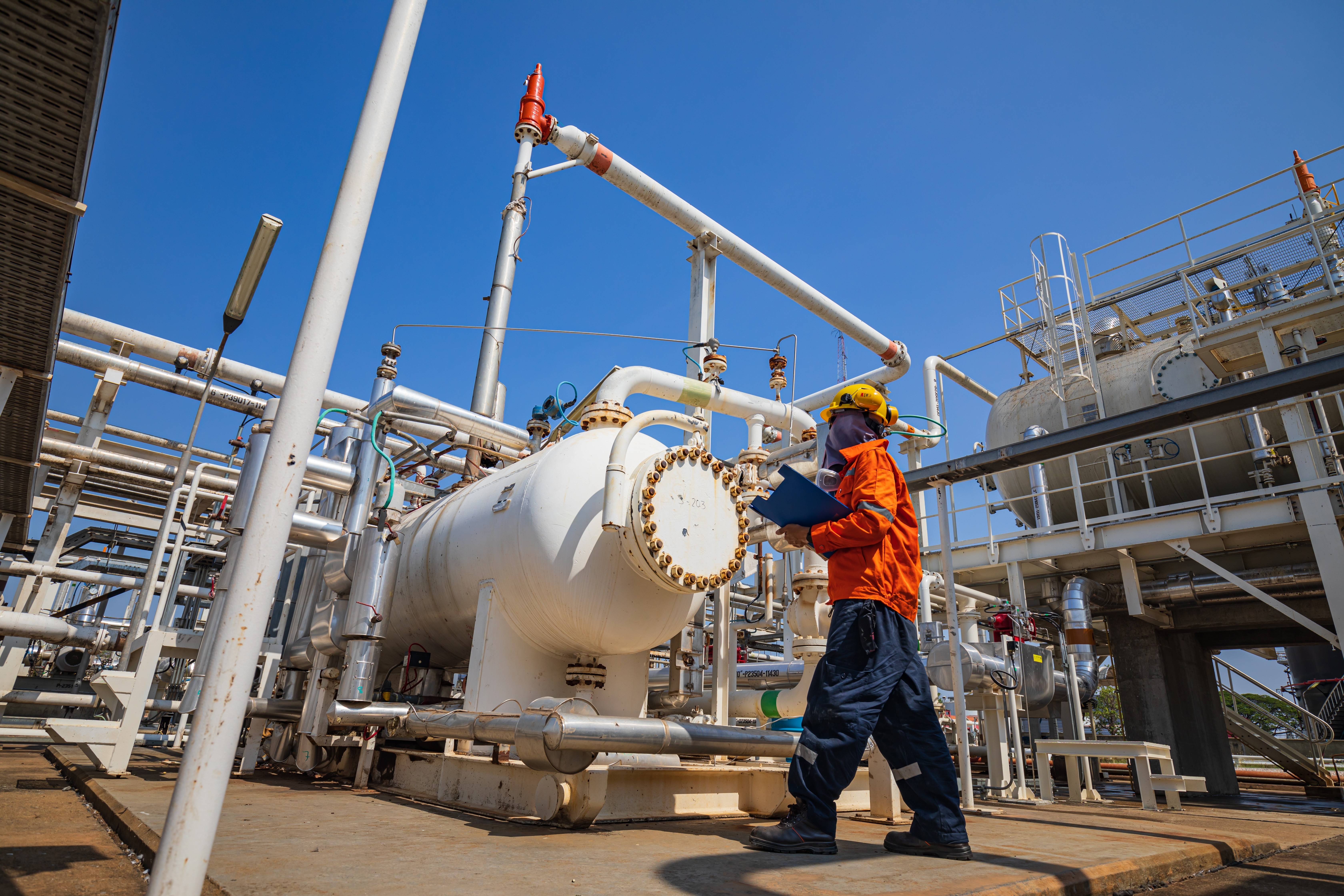
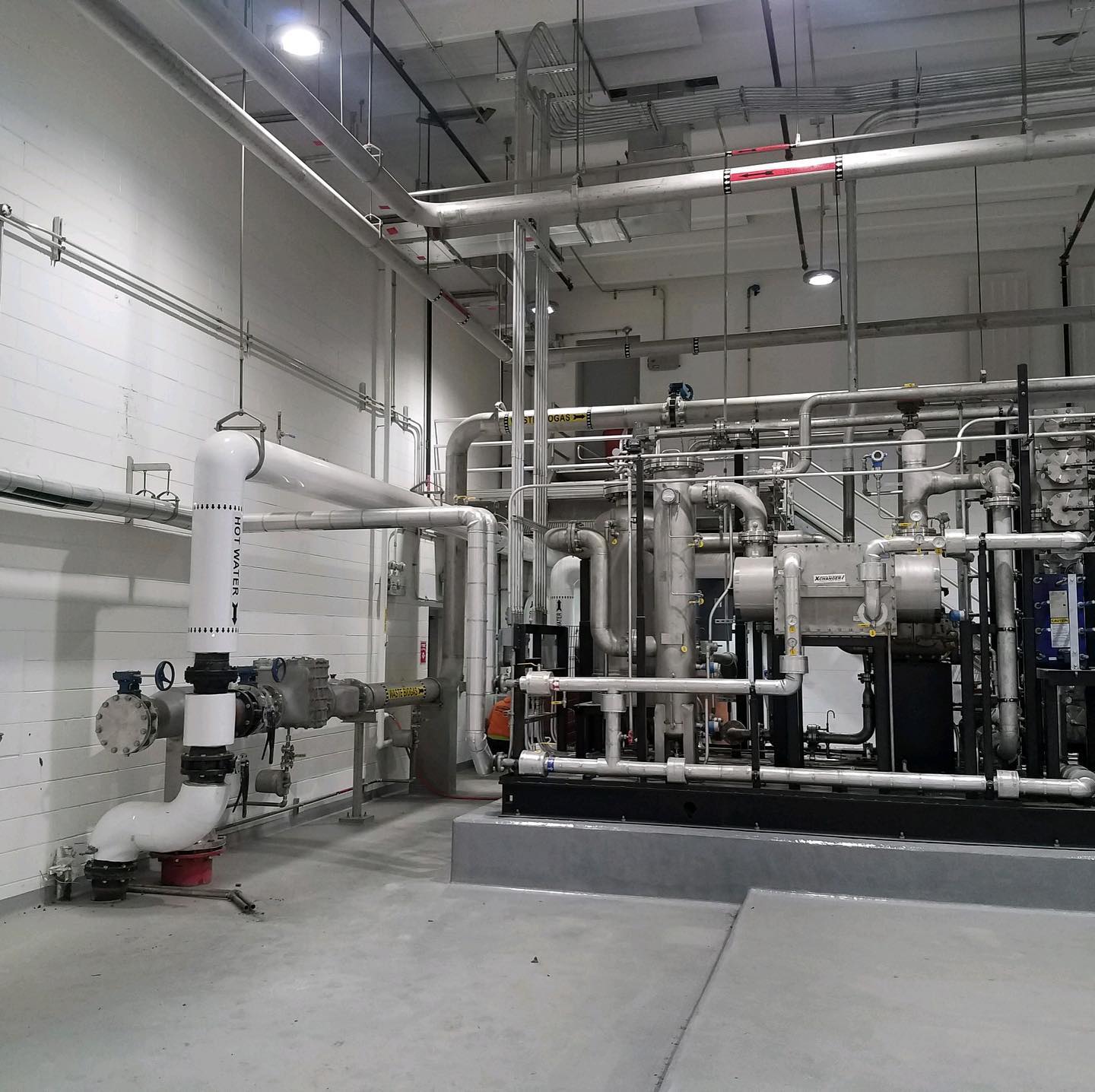
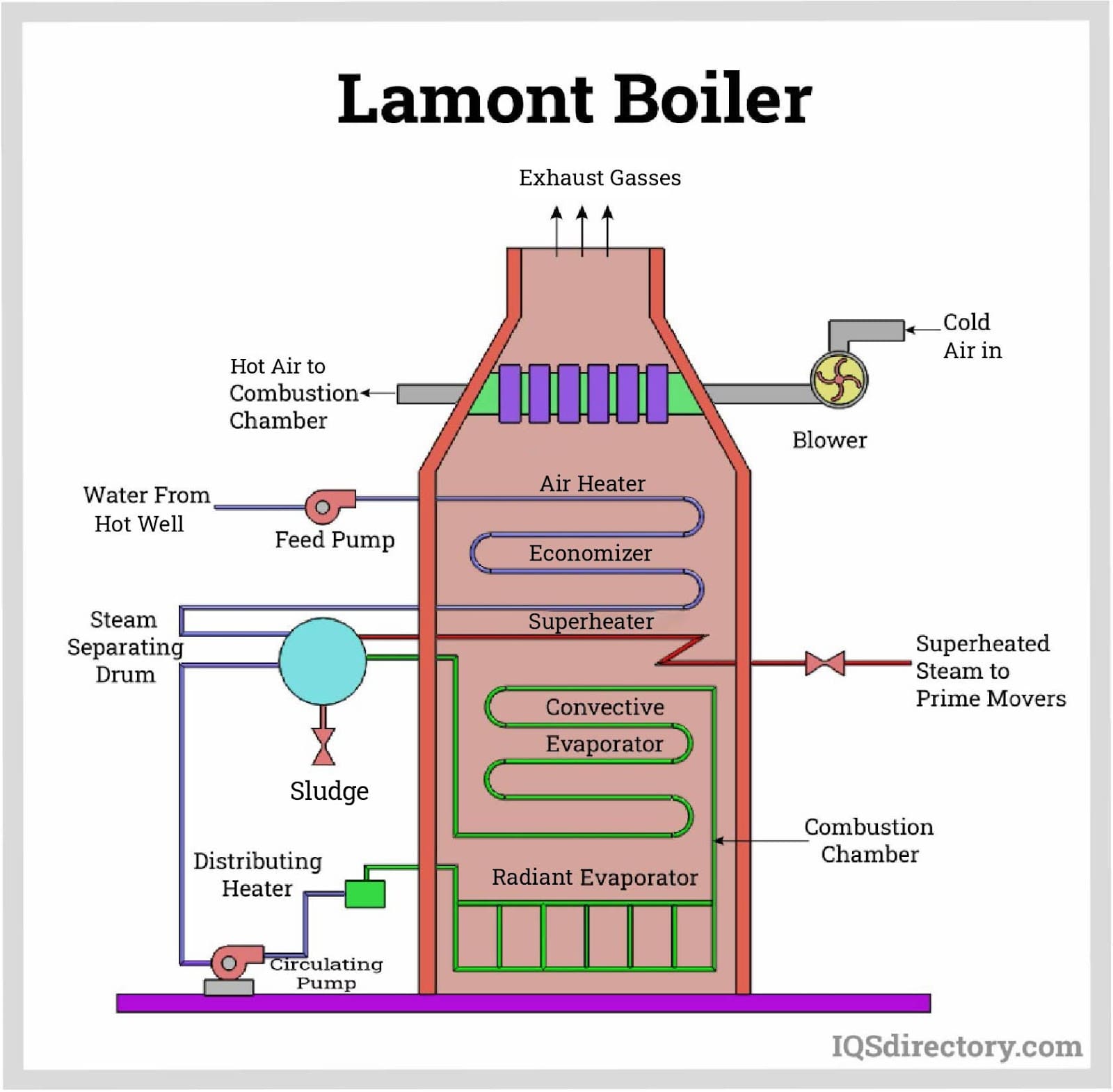
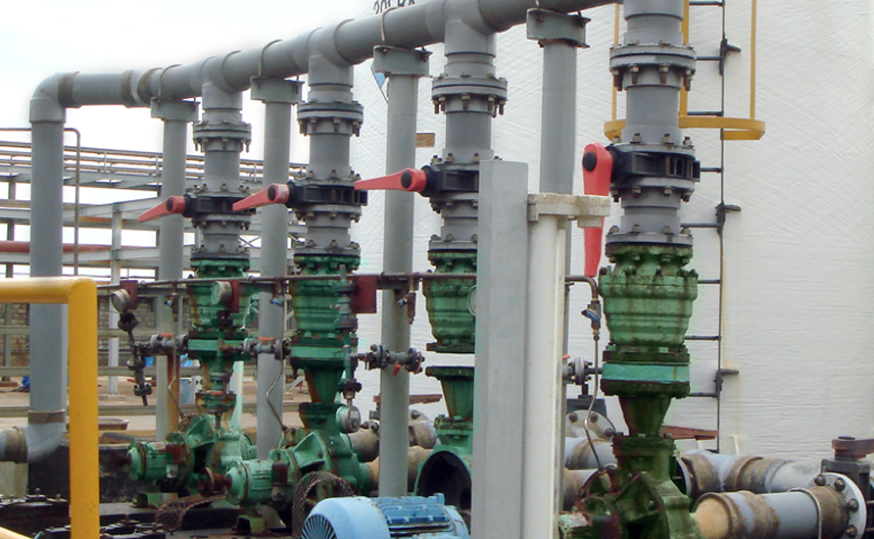
High-pressure systems store and transport energy, fluids, or gases under extreme conditions. Failure can result in severe hazards.
ASME standards help ensure:
- Structural integrity and safety
- Reliable performance under pressure
- Compliance with international engineering practices
- Protection of workers and infrastructure
Key ASME Codes for High-Pressure Steel Applications
1. ASME Boiler & Pressure Vessel Code (BPVC)
One of the most widely used engineering standards worldwide.
Covers:
- Design and fabrication of pressure vessels
- Boilers and heat exchangers
- Material specifications and stress limits
- Inspection and testing requirements
👉 Essential for equipment operating under pressure.
2. ASME B31 Piping Codes
These codes govern the design and construction of pressure piping systems.
Major sections include:
- B31.1 – Power piping (power plants)
- B31.3 – Process piping (oil, gas, chemical plants)
- B31.4 – Liquid transportation pipelines
- B31.8 – Gas transmission pipelines
👉 Ensures safe transport of fluids under pressure.
Materials & Steel Requirements Under ASME
ASME standards specify:
- Approved material grades
- Mechanical properties and strength limits
- Temperature and pressure tolerances
- Welding procedures and qualifications
Materials must meet strict performance and safety criteria.
Welding & Fabrication Compliance

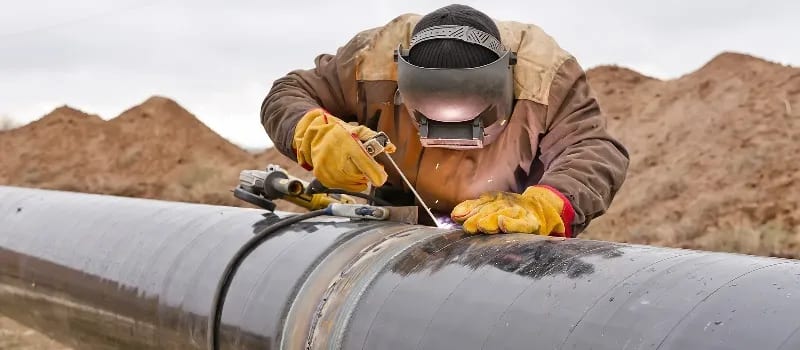

ASME standards require:
Welding compliance includes:
- Qualified welding procedures (WPS)
- Certified welders
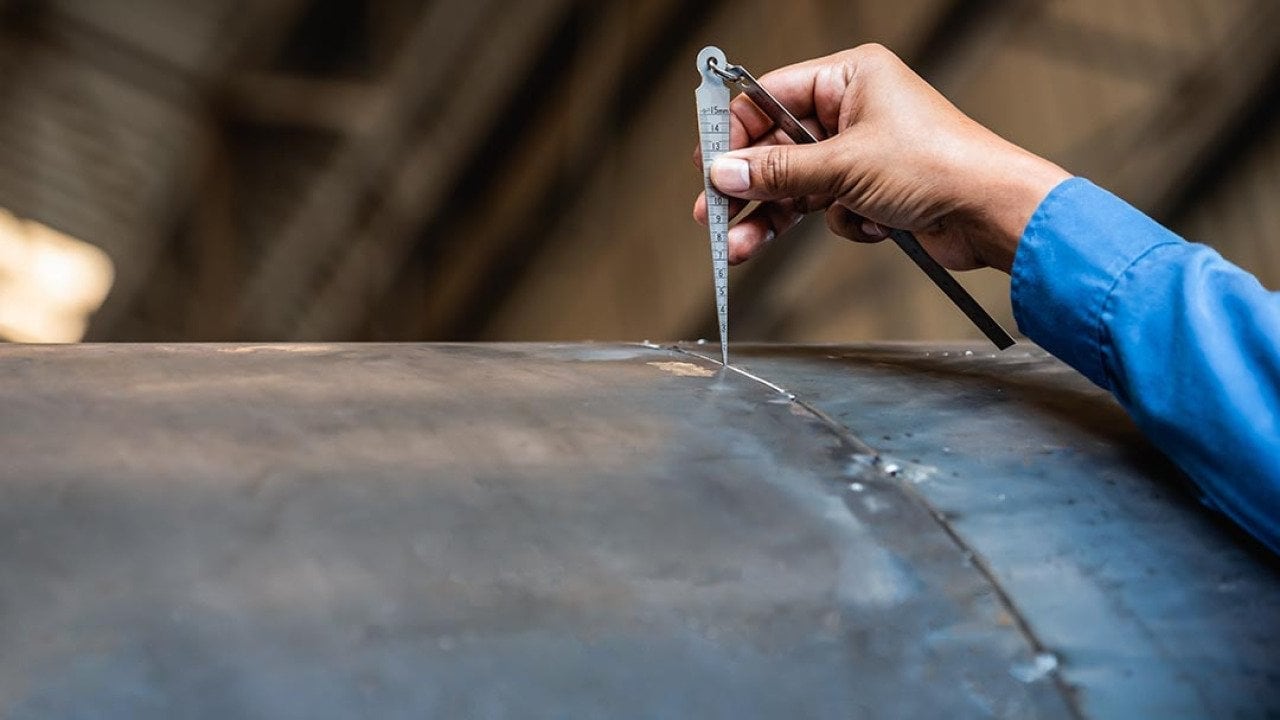
- Non-destructive testing (NDT)
- Weld inspection and quality control
Proper welding ensures leak-proof and structurally sound joints.
Industries That Require ASME Compliance
ASME standards are critical in:
- Oil and gas refineries
- Power generation plants
- Chemical processing facilities
- Petrochemical industries
- HVAC and refrigeration systems
- Nuclear and thermal plants
Compliance is often mandatory for safety and legal approval.
Benefits of ASME Compliance
✔ Enhances safety and reliability
✔ Reduces risk of failure and accidents
✔ Ensures global acceptance of equipment
✔ Improves quality and durability
✔ Meets regulatory and insurance requirements
Following ASME standards increases trust and operational safety.
Summary
ASME establishes essential standards for steel structures and components used in high-pressure environments such as pressure vessels, boilers, and piping systems. Through codes like the Boiler & Pressure Vessel Code and B31 piping standards, ASME ensures that materials, fabrication methods, and welding practices meet strict safety and performance requirements.
When steel must withstand extreme pressure and temperature conditions, ASME guidelines provide the framework needed to ensure safety, reliability, and long-term performance.