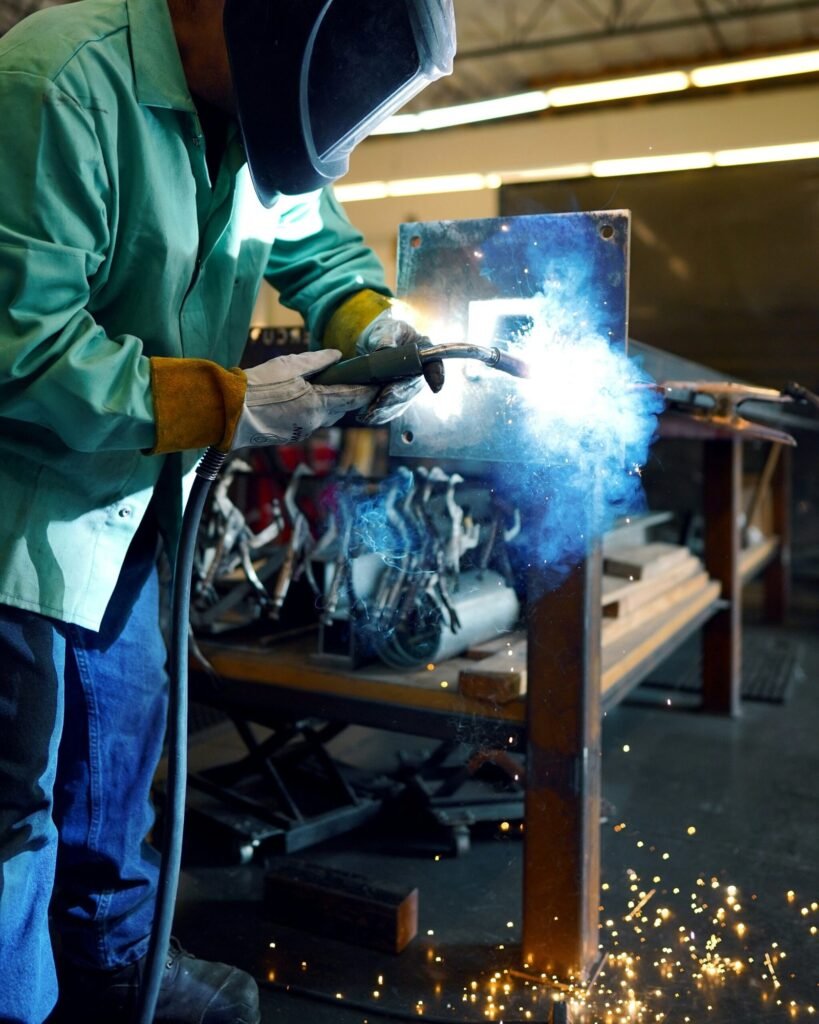
Introduction to Iron Fences
Iron fences have been a popular choice for both residential and commercial properties due to their durability and aesthetic appeal. These fences not only provide security but also enhance the overall look of any property. In this post, we will explore the various benefits of choosing iron fences for your fencing needs.
Durability and Longevity
One of the most notable advantages of iron fences is their durability. Unlike wood or vinyl, iron is resistant to weather elements, ensuring that the fence maintains its structure over time. When properly maintained, iron fences can last for decades, making them a cost-effective investment for property owners.
Security and Aesthetic Appeal
Iron fences provide an added layer of security for your property. Their strong structure acts as a deterrent for potential intruders. Additionally, the classic look of iron fences can complement various architectural styles, enhancing the curb appeal. Whether painted or left with a natural finish, iron fences can be customized to fit the aesthetic of your home or business.
Low Maintenance Requirements
Another benefit of iron fences is their low maintenance requirements. While they may need occasional painting or rust treatment, they generally require minimal upkeep compared to other fencing materials. Regular inspections can help maintain the integrity and appearance of the fence, ensuring it remains a stunning feature of your property.
Iron fences are an excellent choice for those seeking durability, security, and aesthetic appeal. Their longevity and low maintenance requirements make them a practical option for any property owner. When considering your fencing options, be sure to explore the wide range of styles and finishes available for iron fences.
“The Timeless Charm of Iron Fences: Why They’re Still Popular in 2025”
The Enduring Appeal of Iron Fences
Iron fences have stood the test of time, remaining a staple in both residential and commercial properties around the world. Known for their strength, elegance, and versatility, iron fences continue to capture the attention of homeowners and business owners alike. Whether you are looking to enhance the security of your property, add a touch of class to your garden, or maintain privacy, iron fences offer a variety of benefits. In this post, we’ll explore the reasons behind the continued popularity of iron fences, their practical advantages, and tips on selecting and maintaining them.
Why Choose Iron Fences?
When considering a fencing option for your property, iron fences offer numerous advantages. From aesthetic appeal to long-lasting durability, here are some of the key reasons why they remain a preferred choice for homeowners:
1. Durability and Longevity
Iron is one of the most durable materials available, capable of withstanding harsh weather conditions and the test of time. Unlike wooden fences that can rot, warp, or fade over time, iron fences retain their structure and appearance for decades. Properly maintained, they can last for generations.
- Rust Resistance: Modern iron fences are often coated with rust-resistant finishes, protecting them from the elements and ensuring they don’t corrode.
- Weatherproof: Iron fences are particularly well-suited for areas that experience extreme weather conditions, including heavy rain, snow, or strong winds.
2. Aesthetic Appeal
Iron fences are renowned for their elegant and classic look, adding sophistication and curb appeal to any property. Whether you’re designing a front yard fence, a gate, or a balcony railing, iron offers flexibility in style, allowing you to choose between ornate, intricate designs or sleek, modern looks.
- Custom Designs: Iron fences can be crafted in a wide range of styles, from traditional to contemporary, ensuring a perfect match for your property’s aesthetic.
- Intricate Detailing: The ability to add decorative elements such as scrolls, curves, and spikes makes iron fences an excellent choice for those who value intricate craftsmanship.
3. Security and Privacy
Security is one of the primary reasons homeowners opt for iron fences. The robust construction of iron fencing provides a strong barrier to keep intruders out while maintaining visibility and curb appeal.
- Increased Visibility: Unlike solid fences or walls that block sightlines, iron fences offer a sense of openness while providing security. This is especially ideal for homes in suburban or urban areas where you may want to maintain a connection to the outside world without compromising safety.
- Added Protection: Iron fences can be designed with spikes or pointed tips at the top, making it more difficult for anyone to scale the fence.
Types of Iron Fences
Iron fences come in various styles and finishes to suit different architectural designs and personal preferences. Here are some of the most popular types:
1. Wrought Iron Fences
Wrought iron is the traditional material used in fencing, known for its strength, beauty, and timeless appeal. It’s made by heating iron and then hammering or bending it into the desired shape. Wrought iron fences often feature ornate patterns, adding a touch of old-world charm to any home.
- Benefits: Long-lasting, highly customizable, and ideal for both vintage and contemporary styles.
- Perfect For: Historic homes, gardens, or areas where a decorative look is desired.
2. Cast Iron Fences
Unlike wrought iron, cast iron is made by pouring molten iron into molds. It is typically more intricate in design and can be produced in mass, which makes it a more affordable option than wrought iron.
- Benefits: Less expensive than wrought iron while still offering strength and durability.
- Perfect For: Affordable yet beautiful fencing solutions for gardens, driveways, and public spaces.
3. Steel Iron Fences
Steel fences are often made to mimic the look of iron but with a different construction method. Steel is a bit lighter and may be a more cost-effective alternative to wrought iron fences.
- Benefits: More affordable, lighter in weight, and requires less maintenance than traditional wrought iron.
- Perfect For: Residential properties that need security but don’t require the intricate detailing of wrought iron.
Iron Fences for Specific Applications
1. Iron Fences for Front Yards
When you think of a classic front yard fence, the image that comes to mind is often a decorative iron fence. Iron fences are great for adding curb appeal to a home while providing safety and privacy.
- Stylish Appeal: The intricate designs of iron fences can be tailored to fit your front yard’s landscape, adding elegance to your property’s exterior.
- Effective Boundary: Whether you want to keep pets inside or ensure privacy, iron fences offer a secure boundary without obstructing your view.
2. Iron Gates
Iron gates, often used in conjunction with iron fencing, are perfect for creating an inviting entrance to your property. These gates can be customized to match the design of the surrounding iron fence and often include elaborate patterns and finishing touches.
- Enhanced Security: Iron gates act as an additional layer of security, keeping unauthorized vehicles and individuals from accessing your property.
- Luxury Look: A custom iron gate adds a luxurious touch to your home, making a statement from the moment someone enters your driveway.
3. Garden Iron Fences
For gardens, iron fences offer a combination of durability and elegance. These fences can help demarcate garden space, creating a charming and functional border. Whether you want a low, decorative iron fence to enclose flower beds or a taller structure to secure vegetable patches, iron is a reliable option.
- Low Maintenance: Garden iron fences require minimal upkeep and are capable of handling weather changes, especially in climates with extreme temperatures.
- Versatile Style: These fences can be adapted to suit a range of garden designs, from traditional cottage gardens to more modern, minimalist landscaping.
How to Maintain Your Iron Fence
Iron fences require minimal maintenance to ensure their longevity and keep them looking their best. Here are a few maintenance tips to keep your iron fence in top condition:
1. Regular Cleaning
Dirt, dust, and grime can accumulate on your iron fence over time. Regularly washing the fence with mild soap and water will help maintain its shine and prevent corrosion. For areas with more significant build-up, you can use a soft brush to scrub away the dirt.
2. Rust Prevention
Despite being durable, iron is prone to rusting when exposed to moisture over time. To avoid rust, ensure that your iron fence is properly coated with rust-resistant paint or finish. Periodically inspect the fence for any signs of rust and address it immediately by sanding and repainting affected areas.
3. Repainting
To keep your iron fence looking fresh, repaint it every few years. Using a high-quality exterior paint formulated for metal will help protect the fence from the elements and restore its appearance.
4. Checking for Damage
Inspect your iron fence regularly for any loose bolts or bent sections. Replacing or repairing damaged parts quickly will prevent further deterioration and maintain the fence’s integrity.
Iron Fences as a Timeless Investment
Iron fences continue to be a symbol of strength, beauty, and functionality. Whether you are interested in enhancing the curb appeal of your property, adding an extra layer of security, or simply bringing an element of timeless elegance to your garden, an iron fence can offer the perfect solution. From wrought iron to steel, these fences are adaptable, durable, and come in a variety of styles to match your needs and preferences.
Investing in an iron fence is not just about aesthetics—it’s about long-term value. With proper maintenance, an iron fence can last for decades, adding charm and security to your property year after year. When considering a new fence, be sure to explore the various types, styles, and finishes to find the one that best complements your space.
For more information and inspiration on how to incorporate iron fences into your property, explore our other blog posts or get in touch with our team for expert advice.
By following this guide, you’ll gain a deeper appreciation of the practicality and beauty of iron fences, ensuring your property is both secure and stylish for years to come.
Frequently Asked Questions About Iron Fences
Iron fences have long been a symbol of beauty, strength, and durability, making them a popular choice for property owners. If you’re considering installing an iron fence, you likely have some questions. Here are some frequently asked questions (FAQs) that can help you understand everything you need to know about iron fences.
1. What are the main benefits of iron fences?
Iron fences offer several benefits, making them a popular choice for homeowners and business owners alike:
- Durability: Iron fences are highly durable and can withstand harsh weather conditions.
- Aesthetic Appeal: They bring an elegant and timeless look to your property.
- Security: Iron fences provide excellent security while maintaining visibility.
- Long-Term Investment: With proper maintenance, iron fences can last for decades, making them a wise investment.
2. What is the difference between wrought iron and cast iron fences?
Wrought iron and cast iron are two types of materials commonly used for making iron fences. While they both share similarities, there are some key differences:
- Wrought Iron: Made by heating and hammering iron into shape, wrought iron is highly customizable, durable, and typically more expensive. It is ideal for intricate designs and high-end applications.
- Cast Iron: Made by pouring molten iron into molds, cast iron is often more affordable and features mass-produced, intricate designs. It is a great choice for budget-conscious homeowners who still want strength and beauty in their fencing.
3. Are iron fences easy to maintain?
Iron fences require minimal maintenance, but some care is necessary to ensure they remain in top condition:
- Regular Cleaning: Wash the fence periodically with mild soap and water to remove dirt and grime.
- Rust Prevention: Iron is prone to rust, so it’s essential to apply a rust-resistant coating and address any rust spots promptly by sanding and repainting.
- Repainting: Repainting your iron fence every few years can help preserve its appearance and prevent corrosion.
- Damage Checks: Inspect your fence regularly for any loose bolts or damaged sections, and repair them promptly to maintain the fence’s integrity.
4. How long do iron fences last?
Iron fences are known for their longevity. With proper maintenance, they can last for several decades—often up to 50 years or more. The life of an iron fence depends on factors such as the type of iron, environmental conditions, and the care it receives.
5. Can I customize my iron fence design?
Yes, iron fences are highly customizable. Whether you’re looking for an ornate vintage design or a more modern, sleek look, iron can be crafted into various shapes and patterns. You can add decorative elements like scrolls, spikes, and curves, giving you the flexibility to create a fence that perfectly suits your property’s aesthetic.
6. Are iron fences suitable for all climates?
Iron fences are well-suited for most climates. They can withstand extreme weather conditions, such as strong winds, heavy snow, and intense heat. However, to prevent rusting, it’s essential to apply a protective coating, especially in humid or coastal areas where iron is more prone to corrosion.
7. Are iron fences better than wood fences?
Iron fences have several advantages over wood fences:
- Durability: Iron fences can last much longer than wooden fences, which can rot, warp, or fade over time.
- Security: Iron is much stronger than wood, offering better security and protection for your property.
- Aesthetic Appeal: While wooden fences can look charming, iron fences often provide a more sophisticated and elegant appearance.
However, wood fences may be a better option for those looking for a more affordable or rustic aesthetic.
8. How much do iron fences cost?
The cost of an iron fence varies depending on several factors:
- Material Type: Wrought iron tends to be more expensive than cast iron or steel.
- Design: Intricate designs and custom features can raise the price.
- Size and Installation: The cost will also depend on the size of the fence and the complexity of installation.
On average, iron fences tend to be more expensive than wood or vinyl options, but they are also a long-term investment due to their durability.
9. Can iron fences provide privacy?
Iron fences can provide a level of privacy, though not as much as solid wooden or vinyl fences. If privacy is a priority, you can opt for a taller iron fence with closely spaced vertical bars or add privacy slats between the iron bars to block visibility. Additionally, iron fences still allow for airflow and visibility, which may be an advantage in areas where you want to maintain a connection with the outside world.
10. How do iron fences compare to steel fences?
Iron and steel fences have similar characteristics, but there are a few differences:
- Strength: Steel is typically stronger than iron, which makes it better suited for larger, more industrial applications.
- Cost: Steel fences tend to be more affordable than wrought iron fences, but may not offer the same aesthetic appeal or customization options.
- Maintenance: Steel fences generally require less maintenance than iron, as they are less prone to rusting. However, they may not have the same long-lasting appeal or elegance.
Both materials offer excellent security and durability, but the choice depends on your preferences and budget.
11. How do I know if an iron fence is the right choice for my property?
Consider the following factors when deciding if an iron fence is right for you:
- Budget: Iron fences are more expensive than wood or vinyl, so ensure that they fit within your budget.
- Aesthetic Preferences: If you desire an elegant, timeless look with the ability to customize designs, iron fences are an excellent choice.
- Security Needs: If you’re looking for a highly secure and durable fence, iron is a top contender.
- Climate: If you live in an area prone to extreme weather, iron fences will perform well, but regular maintenance is key to preventing rust.
12. How do I install an iron fence?
Installing an iron fence requires precision and expertise. While it’s possible to install it yourself, professional installation is recommended to ensure the fence is properly set up and secure. A professional installer will:
- Assess the terrain and make any necessary adjustments to ensure the fence is level and sturdy.
- Handle all the technical aspects of installation, such as posts, bolts, and welding (if necessary).
- Ensure the fence is securely anchored and aligned for maximum durability.
Iron fences continue to be a popular choice for many homeowners due to their timeless charm, durability, and aesthetic appeal. Whether you’re looking to enhance the beauty of your property, increase security, or enjoy the long-term benefits of a durable fence, iron offers a perfect solution.
With proper maintenance, iron fences can last for decades, ensuring your investment remains a valuable asset. By considering the types, styles, and benefits discussed above, you can make an informed decision on which type of iron fence best suits your needs.
If you have more questions or are ready to explore iron fencing options for your property, don’t hesitate to reach out to our team for expert advice and recommendations.
Iron fences have long been a symbol of beauty, strength, and durability, making them a popular choice for property owners. If you’re considering installing an iron fence, you’re likely to have some questions. Here are some of the most frequently asked questions (FAQs) that can help you better understand the advantages, maintenance, and different options available for iron fences.
Many people are drawn to iron fences because of their durability, aesthetic appeal, and security features. Iron fences are known to withstand harsh weather conditions and provide a long-lasting, elegant look to any property. They’re also a great investment as they can last for decades with proper maintenance. While wrought iron and cast iron are two common materials used in iron fences, they differ in cost, customization, and overall design. For example, wrought iron is highly customizable and ideal for intricate designs, while cast iron is more affordable and often mass-produced.
Iron fences require minimal maintenance but should be regularly cleaned to prevent rust and wear. With proper care, these fences can last 50 years or more. Additionally, iron fences are customizable to match various property styles, whether you’re looking for a traditional or modern design. Iron fences are also well-suited for extreme climates, providing protection against strong winds, snow, or heat. Compared to wood fences, iron fences are more durable and secure, offering a more sophisticated aesthetic.
The cost of an iron fence depends on material, design, and size, but they are generally considered a long-term investment due to their durability. If privacy is important to you, a taller iron fence or one with privacy slats can help block visibility, though they do not provide the same level of privacy as solid wooden fences. Iron fences are also available in steel alternatives, which are typically more affordable but may not offer the same level of elegance or customization.
If you’re unsure whether an iron fence is the right choice for your property, consider your budget, aesthetic preferences, and security needs. Installation of an iron fence can be done by professionals to ensure it is done correctly, with proper alignment and stability. Ultimately, iron fences continue to be a timeless and durable option, making them a great investment for any property.