Understanding Metal Glue
Metal glue, often referred to as adhesive bonding, is a popular option for joining metal pieces. This type of glue is designed to create a strong bond between metals by chemically reacting with the surfaces. The primary components of metal glues include epoxy, cyanoacrylate, and polyurethane. These adhesives can form a robust connection without the need for heat or additional tools, making them accessible for DIY enthusiasts.
The Strength of Welding
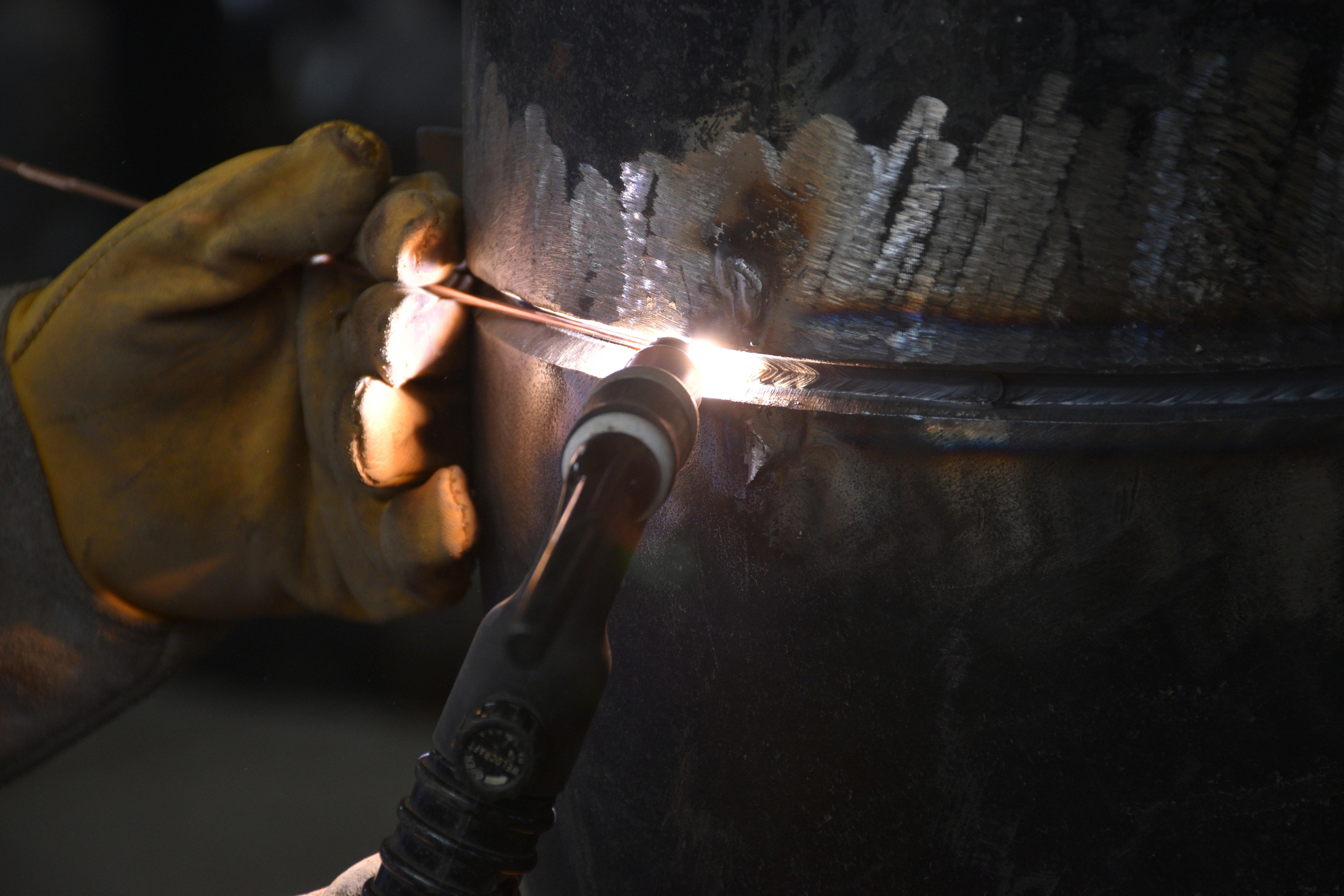
Welding, in contrast, is a process that joins metals by melting them at the junction points. This method creates a structural bond that is typically stronger than that achieved through adhesives. Various welding techniques, such as MIG, TIG, and Stick welding, offer different advantages depending on the project requirements. Welds can withstand higher temperatures and stress, making them ideal for heavy-duty applications like construction and manufacturing.
Comparing the Two Methods
When assessing whether metal glue is as strong as welding, several factors come into play, including the type of metals being joined, the nature of the application, and environmental considerations. For light-duty projects or non-essential repairs, metal glue can provide satisfactory strength. However, in demanding environments where high stress and heat are involved, welding remains the superior method. Ultimately, the choice between metal glue and welding should be guided by the specific requirements of your project.