Why Do Welders Drink Milk After Work?
Milk has long been associated with welding workplaces. But why do some welders drink it after a demanding shift? Explore the nutritional, practical and traditional reasons behind this common beverage choice.
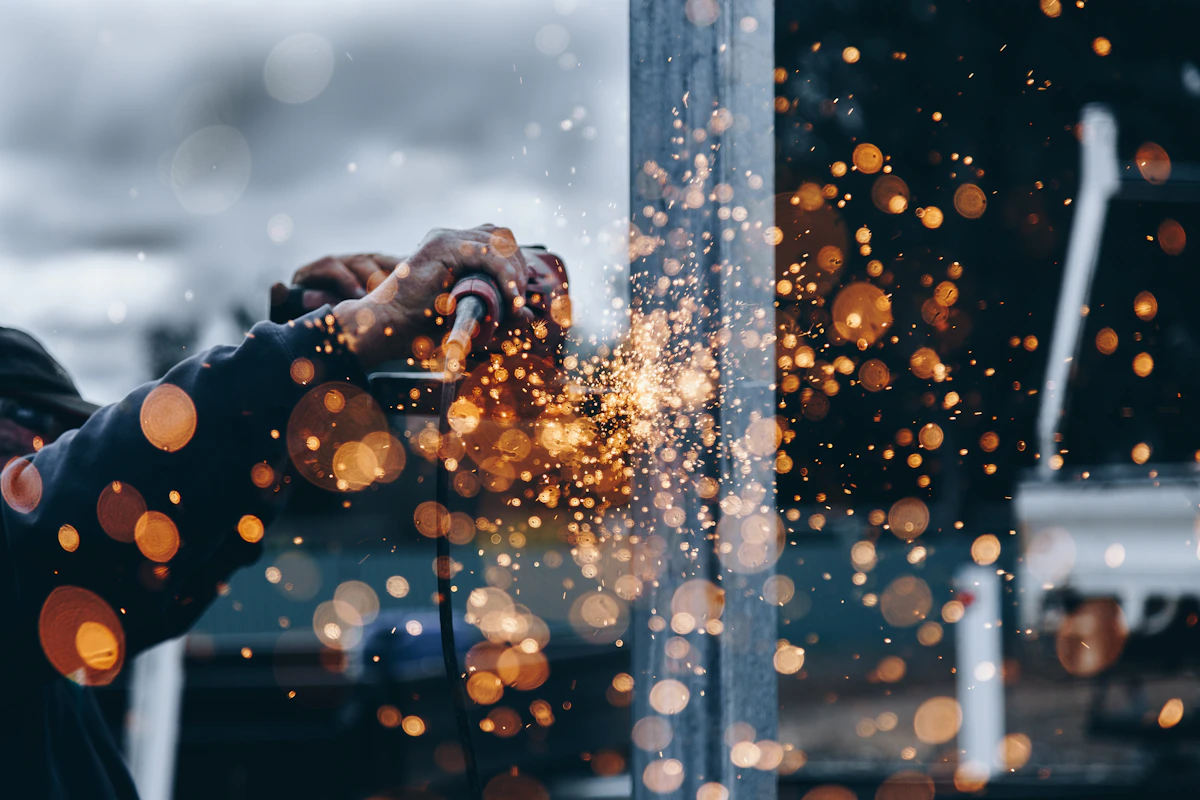
The Story Behind Welders Drinking Milk
Welding can be physically demanding. Professionals may spend long periods standing, working around intense heat and performing repetitive tasks while handling metal and welding equipment.
The practice of drinking milk after welding is often discussed as a workplace tradition. Milk also contains useful nutrients including protein, calcium and fluid, which can make it a convenient food or beverage after physical work.
However, milk should not be confused with a safety measure. It does not replace ventilation, fume extraction, respiratory protection or other controls designed to reduce occupational exposure.
- Provides protein and other nutrients
- Contains calcium
- Contributes to fluid intake
- Can be convenient after physical work
- May be part of a normal post-shift meal
Why Some Welders Drink Milk After Work
The reasons range from basic nutrition and hydration to long-standing workplace habits.
Protein for Post-Work Nutrition
Milk contains protein, which contributes to normal muscle maintenance and recovery. For workers who have spent many hours performing physically demanding tasks, protein can be part of a balanced post-work diet.
Calcium Content
Milk is a well-known dietary source of calcium. Calcium is important for maintaining normal bones and teeth and forms part of a balanced nutritional intake.
Convenient Source of Calories
Depending on the type of milk, a serving can provide calories, protein, carbohydrates and fat. This can make it a convenient addition to a meal after a long shift.
Contributes to Fluid Intake
Milk contains a large amount of water and therefore contributes to overall fluid intake. Hydration is particularly important when workers spend time in hot environments.
Familiar and Comforting Beverage
Some welders may simply prefer milk as a familiar beverage after work. Workplace traditions can continue across generations even when the original reason is unclear.
Easy to Combine With Food
Milk can be consumed alongside meals or snacks, making it easy to include in a post-shift nutrition routine.
Long-Standing Welding Tradition
Drinking milk after welding is sometimes described as a traditional practice among welders. The tradition may continue because milk is readily available and provides useful nutrients.

What Does Milk Actually Provide?
Milk is more than simply a traditional beverage. Its nutritional composition makes it a convenient food for people who want protein, calcium and fluid as part of their diet.
The exact nutritional value varies depending on whether the milk is whole, low-fat, skimmed, lactose-free or fortified.
- Protein: Contributes to normal muscle maintenance and repair.
- Calcium: Supports normal bones and teeth.
- Fluids: Contributes to daily fluid intake.
- Energy: Provides calories that can contribute to post-work nutritional needs.
Does Milk Remove Welding Fumes?
This is one of the most important distinctions to understand when discussing milk and welding.
The Common Belief
A popular workplace belief is that drinking milk after welding can somehow remove or neutralize harmful substances inhaled during welding.
The Practical Safety View
Milk should not be treated as a detoxification method or protective measure against welding fumes. Exposure should instead be controlled at the source through appropriate ventilation, local exhaust, work practices and respiratory protection where necessary.
Milk Is Not Personal Protective Equipment
Drinking milk cannot replace proper welding-fume controls. Welders should follow workplace risk assessments and use appropriate engineering controls and personal protective equipment. If significant exposure or symptoms occur, appropriate professional medical advice should be sought.
6 Better Ways to Control Welding Fume Exposure
Good welding safety starts with controlling exposure rather than relying on food or beverages after the work is finished.
01. Local Exhaust Ventilation
Use suitable local exhaust systems to capture welding fumes close to their source whenever practical.
02. General Ventilation
Ensure adequate ventilation appropriate for the welding environment and the materials being welded.
03. Correct Work Position
Avoid positioning your face directly in the path of rising welding fumes.
04. Respiratory Protection
Use suitable respiratory protection when required by the workplace risk assessment and applicable safety procedures.
05. Welding Material Awareness
Understand the metals, coatings, paints and other materials involved before beginning welding work.
06. Maintain Equipment
Keep welding equipment, extraction systems and protective equipment properly maintained and inspected.
What Should Welders Eat and Drink After a Long Shift?
A balanced post-work meal can help meet normal nutritional requirements after physically demanding work. Milk can be one component of that meal, but it does not need to be the only option.
Depending on personal dietary needs, workers can combine protein-rich foods with carbohydrates, vegetables, fruits and adequate fluids.
- Protein-rich foods
- Adequate fluids
- Fruits and vegetables
- Whole grains or other carbohydrate sources
- A balanced overall diet

Professional Welding & Steel Fabrication in Delhi NCR
Steel fabrication requires experienced workers, suitable equipment and appropriate safety practices. Professional welding work should be planned according to material, application and site conditions.
Steel Iron Fabrication provides welding and fabrication services for requirements in Chhatarpur, New Delhi and surrounding Delhi NCR areas.
Discuss Your Project- Steel Welding
- MS Welding
- Metal Fabrication
- Structural Steel Work
- Gate & Railing Fabrication
- Welding Repair
- Delhi · Chhatarpur · Noida · Gurgaon
Need Professional Welding or Steel Fabrication?
Share your project requirements, material and location to discuss an appropriate welding or fabrication solution.
Request a ConsultationWhy Do Welders Drink Milk? FAQs
Why do welders drink milk after work?
Some welders drink milk because it provides protein, calcium, calories and fluid. It can also simply be a familiar and comforting beverage after a physically demanding shift.
Does milk remove welding fumes from the body?
Milk should not be considered a treatment or detoxification method for welding-fume exposure. Proper ventilation, local exhaust and appropriate respiratory protection are more important for controlling occupational exposure.
Does milk protect welders from welding fumes?
No. Milk is not protective equipment and should not be used as a substitute for appropriate workplace controls or respiratory protection.
Is milk good after physically demanding welding work?
Milk can be part of a balanced post-work meal or snack. It provides protein and calcium and also contributes to fluid intake.
Can milk help with hydration after welding?
Milk contains substantial water and contributes to overall fluid intake. Hydration requirements vary depending on heat, workload, sweating and individual circumstances.
What should welders do to reduce welding-fume exposure?
Welders should use appropriate ventilation and local exhaust, maintain a suitable work position, follow workplace safety procedures and use respiratory protection when required.
Discuss Your Welding Requirement
Contact Steel Iron Fabrication for steel welding, MS welding and fabrication requirements across Delhi NCR.
Request a Quote
Understanding Welders’ Beverage Choices
After a long day of welding, many professionals reach for a glass of milk. This practice is not just a personal preference but has interesting reasons that support the choice. Welders are exposed to intense heat and potentially harmful materials during their work, leading to several physiological and nutritional considerations.
The Benefits of Milk for Welders
One key reason welders often drink milk is its nutritional profile. Milk is rich in calcium, which is vital for maintaining strong bones, especially for individuals who are on their feet and moving around all day in physically demanding environments. Additionally, milk contains proteins that help to repair and rebuild muscles after strenuous activities, making it an excellent post-work refreshment.
Soothing the Stomach and Hydrating the Body
Moreover, some welders report that drinking milk after welding helps to soothe their stomach. The gastrointestinal discomfort can arise from smoke, fume inhalation, and the heat associated with welding. Milk can neutralize excess acidity in the stomach and may provide a soothing effect. Furthermore, staying hydrated is crucial, and milk contributes to fluid intake, aiding in overall hydration, which is essential in hot working conditions.
In conclusion, for welders, milk serves not just as a comfort drink but as a functional beverage that supports their health post-shift.