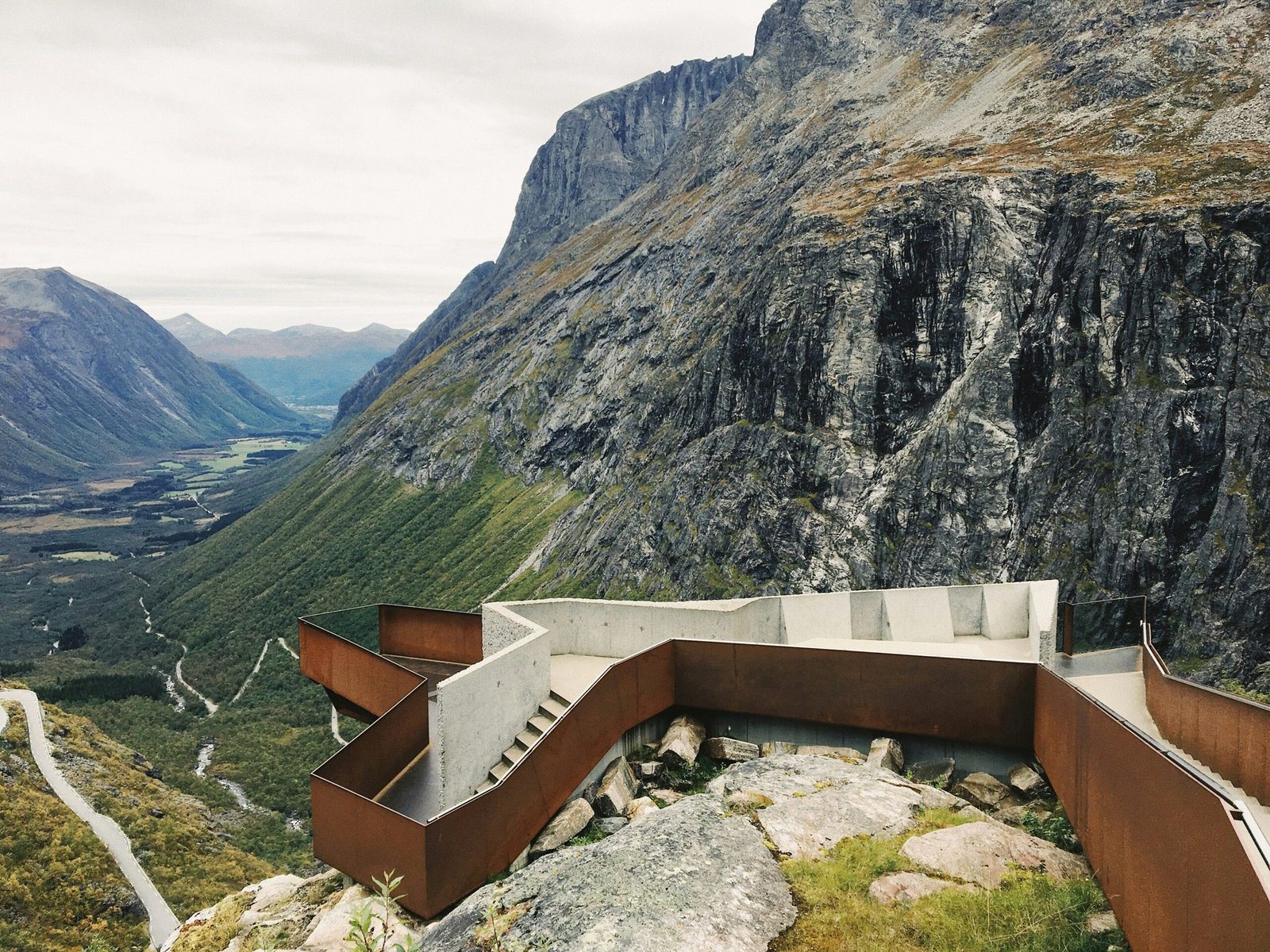
The Allure of Corten Steel
Corten steel, known for its unique weathered appearance, has become a favored material in outdoor sculptures and architectural elements. Its characteristic rust-like finish not only offers aesthetic appeal but also enhances durability, making it an excellent choice for garden furniture and artistic installations.
Benefits of Using Corten Steel
The fabrication of corten steel involves a special process that encourages a protective patina to form on the surface. This weathered layer prevents further corrosion, allowing the steel to withstand various environmental conditions. As a result, artists and architects often prefer corten steel for its sustainability and long-lasting qualities.
Applications in Modern Design
Corten steel fabrication is widely used in various applications, from eye-catching outdoor sculptures to stylish garden benches. Its rugged yet contemporary appearance seamlessly integrates with natural surroundings, making it a popular choice in modern landscape design. Moreover, the versatility of corten steel allows it to be shaped into intricate designs, bringing creativity and uniqueness to various projects.
Corten Steel Fabrication
Corten steel, often referred to as weathering steel, is a unique material that has gained popularity in the construction, sculpture, and outdoor design industries due to its rustic appearance and durability. Corten steel is designed to form a stable, attractive rust-like appearance when exposed to the elements, without compromising its structural integrity. This makes it particularly well-suited for applications in outdoor environments. Corten steel fabrication involves transforming this weathered steel into functional and aesthetically pleasing pieces, such as sculptures, furniture, and architectural elements.
1. What is Corten Steel?
Corten steel is a type of steel alloy that, over time, develops a thick, stable patina of rust when exposed to the weather. Unlike regular steel, which can corrode and weaken when it rusts, the oxide layer that forms on Corten steel actually acts as a protective barrier, preventing further corrosion and erosion of the material. This gives the steel its signature look — a rich, reddish-brown, weathered surface.
Corten steel is composed of several elements, including:
- Iron (Fe)
- Copper (Cu)
- Chromium (Cr)
- Nickel (Ni)
- Phosphorus (P)
These elements work together to form a protective layer on the steel’s surface, which helps to shield the underlying metal from corrosion and wear.
2. Applications of Corten Steel
Corten steel’s durability and aesthetic appeal make it an ideal material for a variety of applications, particularly in outdoor settings. Some common uses include:
- Outdoor Sculptures: Corten steel’s ability to form a stable and attractive patina over time has made it a popular choice for outdoor sculptures. Artists use Corten steel to create stunning pieces that evolve and change over time, as the rusted surface develops unique colors and textures.
- Garden Furniture: Garden furniture made from Corten steel offers both functionality and aesthetic appeal. The weathered look of Corten steel can complement outdoor environments, providing a rugged yet modern look for garden benches, tables, and chairs.
- Architectural Features: In modern architecture, Corten steel is used for a wide range of features, including facades, wall panels, fencing, and roofing. The material’s unique color and texture make it a popular choice for contemporary designs that aim to blend the built environment with natural surroundings.
- Landscaping Elements: Corten steel is often used in landscaping applications, such as raised garden beds, retaining walls, planters, and edging. The material’s weathered look complements outdoor environments, while its corrosion resistance ensures longevity and low maintenance.
- Bridges and Structural Elements: Due to its strength and corrosion resistance, Corten steel is also used for heavy-duty applications, such as bridges, walkways, and structural elements that need to withstand the elements without deteriorating.
- Signage: Custom signs, such as street signs, company logos, or directional signs, are fabricated from Corten steel for an industrial, modern, and weathered look that is durable and maintenance-free.
3. Corten Steel Fabrication Process
The fabrication process for Corten steel involves several steps, from material preparation to final installation. The process can vary depending on the specific application, but typically includes:
- Cutting: Corten steel can be cut to size using various methods, including plasma cutting, laser cutting, or shearing. These methods allow precise cuts to create shapes and sizes for specific design needs.
- Bending and Forming: Corten steel can be bent and shaped using press brakes or rolling machines. The material’s malleability when heated makes it possible to create curved or angular shapes, which are often required for sculptures, architectural features, or furniture.
- Welding: Welding is essential in Corten steel fabrication, particularly for joining pieces of the material together. Specialized welding techniques, such as MIG or TIG welding, are often used to ensure strong, durable joints that are capable of withstanding outdoor conditions. Since Corten steel is a weathered material, it requires a special approach to welding to prevent issues such as cracking or weakening the patina.
- Finishing and Patina Development: One of the unique aspects of Corten steel is its ability to develop a patina over time. When first fabricated, Corten steel may be a dull gray color. To accelerate the patina process, the steel is often exposed to moisture, heat, or specific chemical treatments, which induces the oxidation process. The result is the characteristic reddish-brown color and texture. In some cases, a protective coating may be applied to the surface to seal the patina and prevent further oxidation.
- Surface Treatment: To ensure the longevity and visual appeal of Corten steel, additional surface treatments may be applied. These treatments include sandblasting to smooth the surface, or the application of a clear protective coating to prevent further corrosion and preserve the patina.
4. Advantages of Corten Steel
Corten steel offers several key advantages, particularly when used in outdoor and exposed applications:
- Corrosion Resistance: The primary advantage of Corten steel is its ability to resist further corrosion once the patina has formed. Unlike ordinary steel, which will continue to rust and weaken over time, the protective layer that forms on Corten steel creates a barrier that prevents additional corrosion, making it ideal for outdoor applications.
- Aesthetic Appeal: The distinctive rust-like appearance of Corten steel makes it a sought-after material for modern architecture, landscaping, and artistic designs. Over time, the material’s patina deepens and changes, creating a unique look that is constantly evolving.
- Durability: Corten steel is highly durable and capable of withstanding extreme weather conditions. Its resistance to rust and degradation makes it ideal for use in outdoor environments that are exposed to rain, wind, and temperature fluctuations.
- Low Maintenance: Once the patina has formed, Corten steel requires minimal maintenance. There is no need for painting or coating to prevent rusting, making it a cost-effective and low-maintenance material for outdoor applications.
- Sustainability: Corten steel is a highly sustainable material. It is recyclable, has a long lifespan, and its low maintenance requirements reduce the need for frequent replacements, making it an eco-friendly option for construction and design projects.
- Versatility: Corten steel can be fabricated into a wide range of shapes and sizes, making it suitable for various applications, from sculptures and furniture to architectural facades and bridges. Its ability to be customized allows for creative, unique designs.
5. Challenges of Corten Steel
While Corten steel offers many advantages, there are some challenges to consider when using it in fabrication:
- Initial Appearance: When first fabricated, Corten steel has a dull gray or even shiny finish. This may not be desirable for some projects, as the iconic rusted patina only develops over time. Some designers and architects may need to expedite the patina process through chemical treatments or exposure to weather.
- Welding Considerations: Welding Corten steel requires expertise and specialized techniques to avoid weakening the material or affecting the patina. The right welding filler materials need to be selected to ensure strong and durable welds.
- Environmental Impact of Rust Runoff: While the rust on Corten steel is protective, it can cause staining of surrounding surfaces or landscaping elements due to the runoff of iron oxide particles. In some applications, precautions may be needed to manage rust runoff and protect other materials.
- Cost: Corten steel can be more expensive than other materials, such as standard steel or aluminum, due to its specialized composition and weathering properties. However, its long lifespan and low maintenance may offset the initial cost in the long term.
6. Applications in Modern Design
- Urban Design: Corten steel is used in urban design to create striking features such as public sculptures, signage, and outdoor art installations. Its rugged, industrial appearance works well in modern cities and can complement natural landscapes.
- Landscaping and Gardens: In landscaping, Corten steel is used for creating garden features such as raised garden beds, planters, borders, and retaining walls. Its natural, earthy color blends seamlessly with plantings and other organic elements.
- Modern Architecture: Corten steel is increasingly used in the architectural world, where it can be used for facades, exterior cladding, and roofing. Its weathered look adds warmth and character to modern buildings, making it a popular choice for architects seeking to create a blend of natural and industrial elements.
- Furniture Design: The unique aesthetic qualities of Corten steel make it a popular choice for creating garden furniture, such as benches, tables, and chairs. These pieces not only provide functionality but also contribute to the artistic and rustic charm of outdoor spaces.
7. Conclusion
Corten steel fabrication provides a unique opportunity to create durable, visually striking, and sustainable designs for a wide range of applications. Whether used in sculptures, architectural features, garden furniture, or landscaping elements, Corten steel’s ability to form a protective, rust-like patina gives it a distinctive and timeless appeal. Its strength, low maintenance requirements, and aesthetic qualities make it a popular choice for modern designers and architects looking to integrate natural and industrial materials into their projects. Despite some challenges, such as managing the initial appearance and rust runoff, Corten steel remains a versatile and long-lasting material with endless possibilities in outdoor and architectural design.