Stainless Steel 302 and 304 are both part of the 18/8 austenitic stainless steel family, meaning they contain approximately 18% chromium and 8% nickel. While they appear similar, differences in carbon content influence strength, corrosion resistance, and typical applications.
Chemical Composition
| Grade | Chromium | Nickel | Carbon | Key Effect |
|---|---|---|---|---|
| SS 302 | ~18% | ~8% | Up to 0.15% | Higher strength & hardness |
| SS 304 | ~18% | ~8% | Up to 0.08% | Better corrosion resistance & ductility |
Higher carbon content in 302 increases strength but slightly reduces corrosion resistance.
SS 302 Stainless Steel
Characteristics:
✔ Higher strength and hardness
✔ Excellent wear resistance
✔ Good fatigue resistance
✔ Can be cold-worked for added strength
Limit ations:
- Slightly less corrosion resistant than 304
- Less suitable for highly corrosive environments
Common uses:
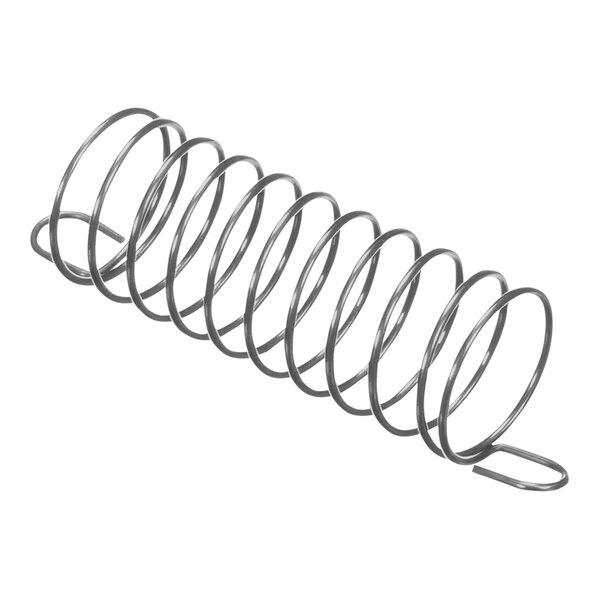
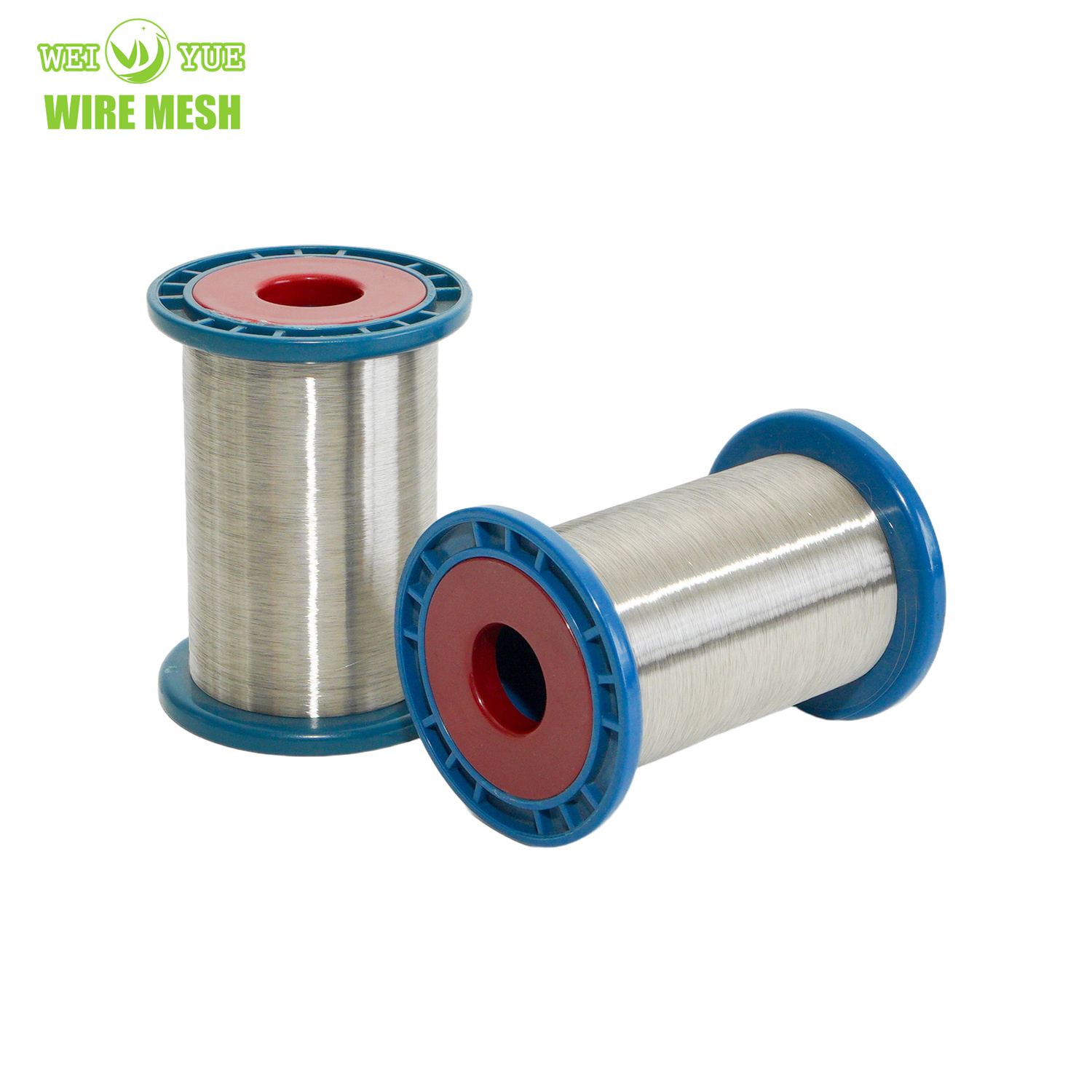
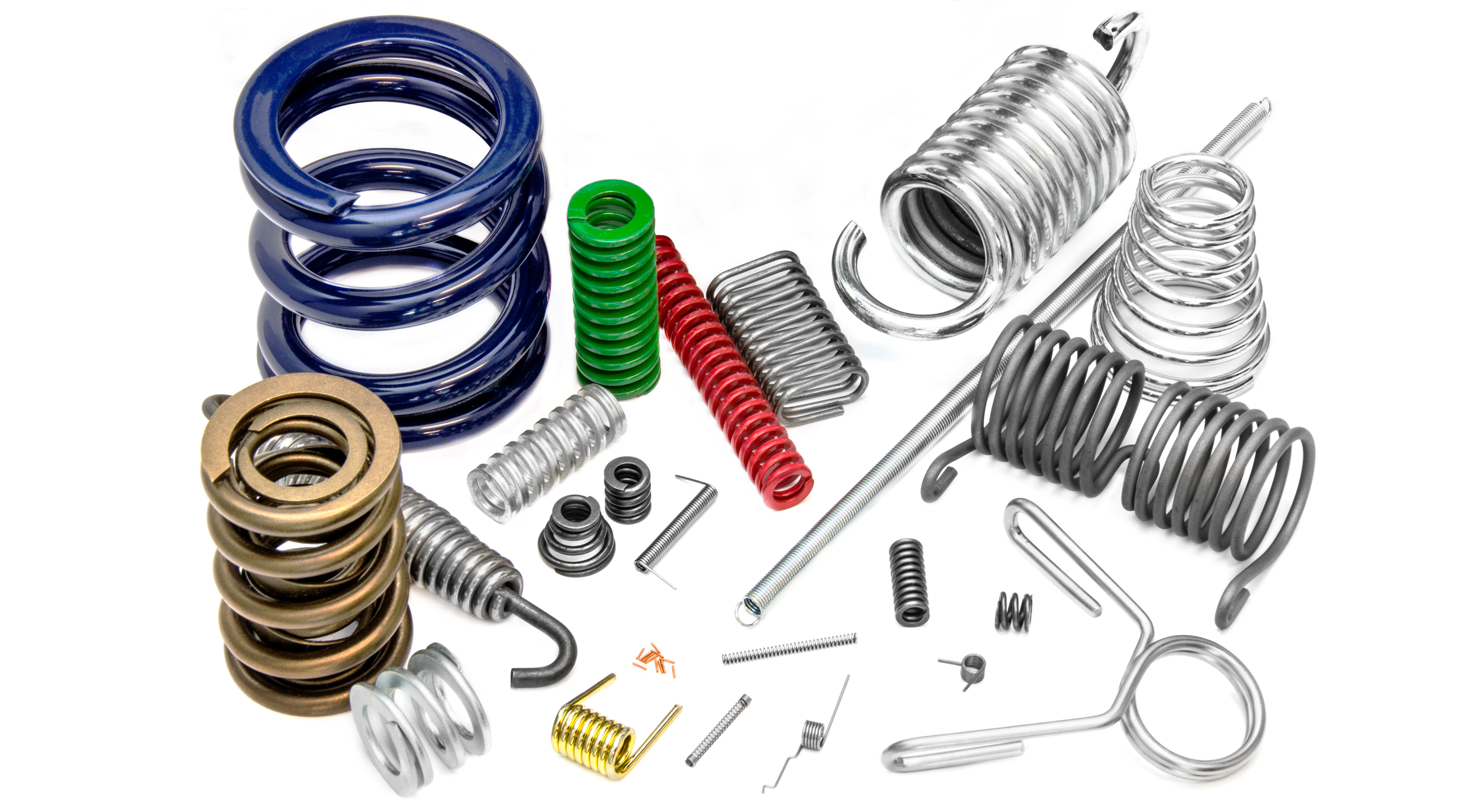
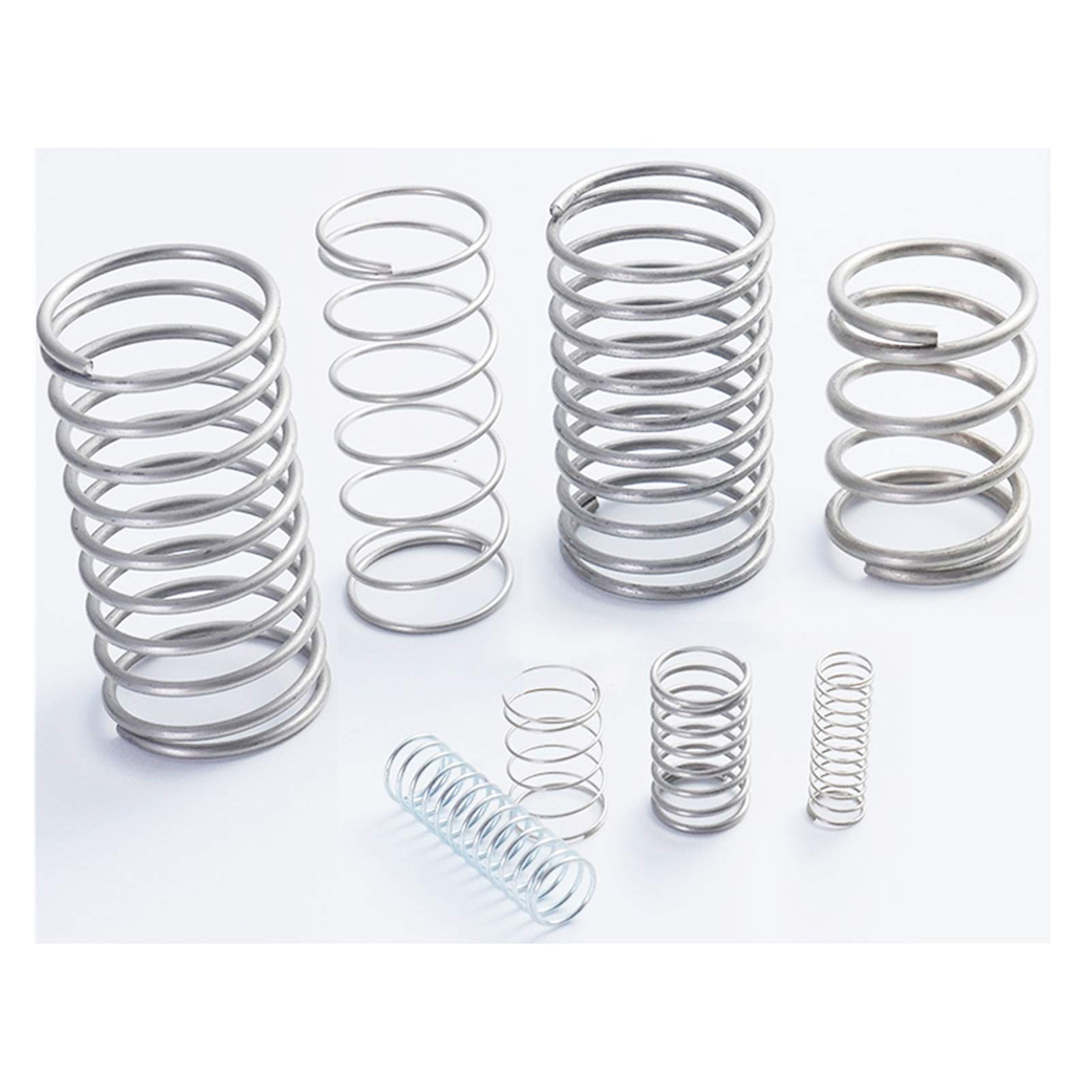
- Springs and wire forms
- Washers and fasteners
- Metal screens and mesh
- Mechanical components
👉 Best where strength and resilience are required.
SS 304 Stainless Steel


Characteristics:
✔ Excellent corrosion resistance
✔ High ductility and formability
✔ Easy to weld and fabricate
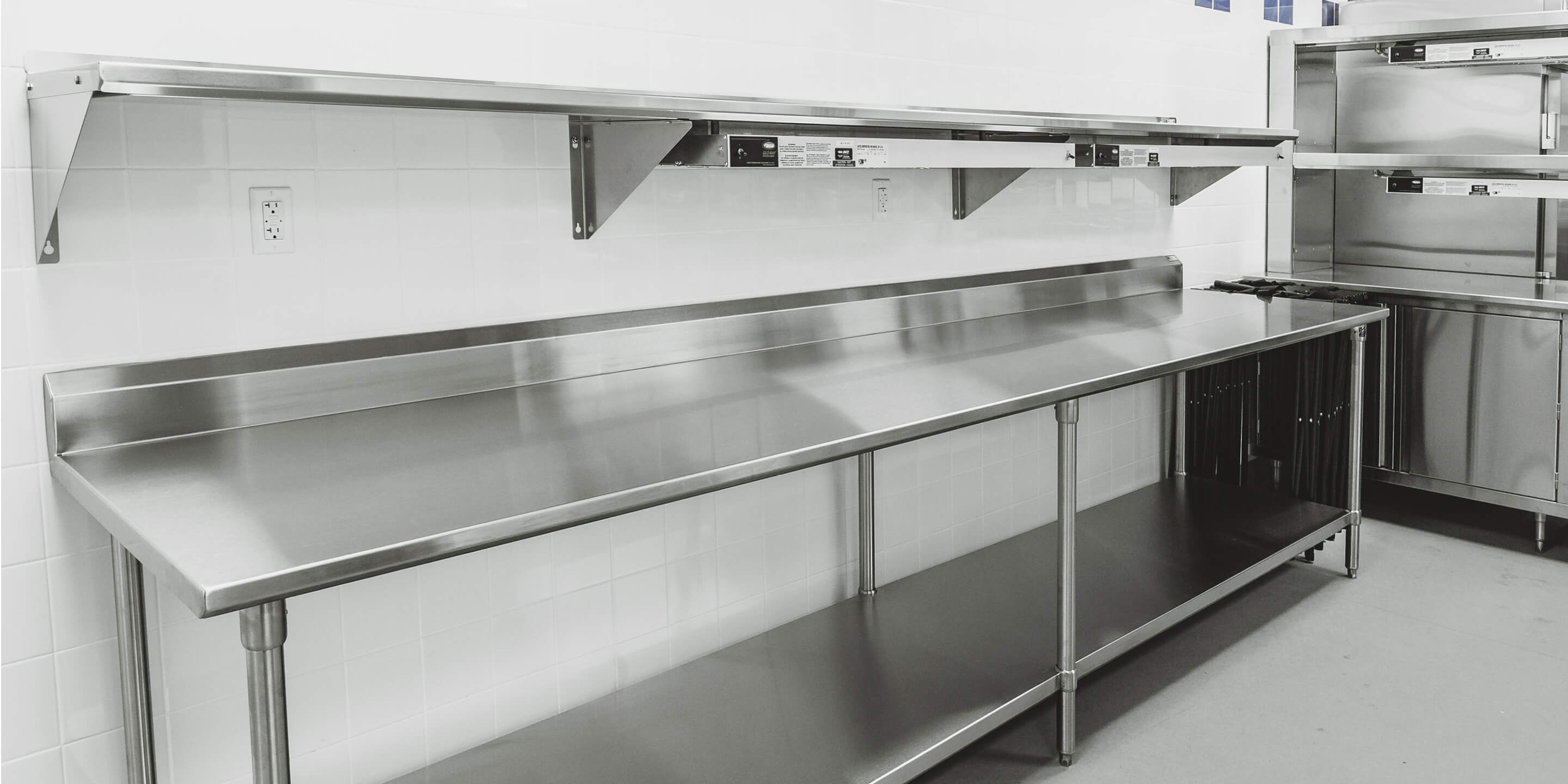
✔ Hygienic and easy to clean
Limitations:
- Slightly lower strength than 302
- Less resistant to chlorides than 316
Common uses:
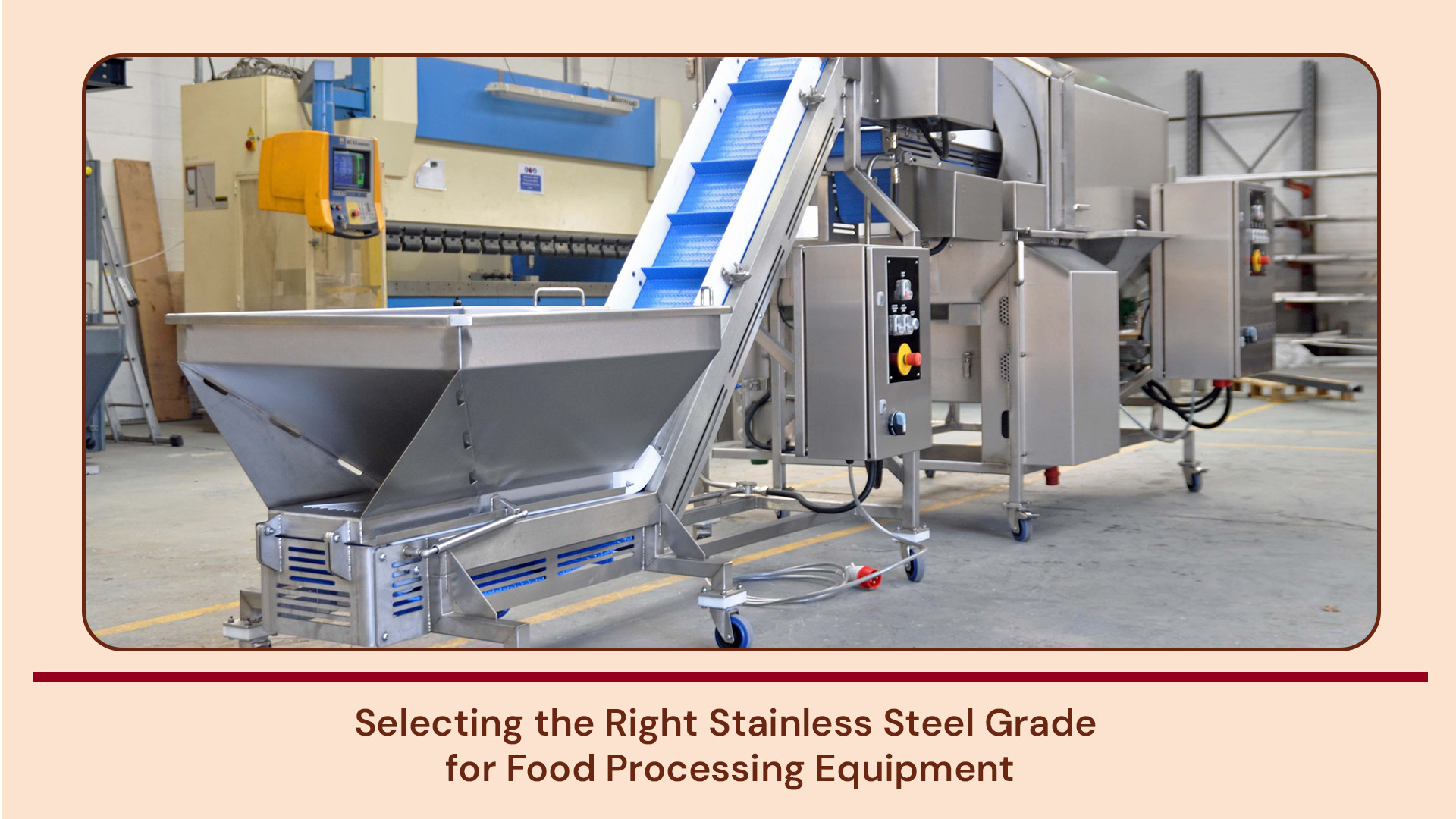
- Food processing equipment
- Kitchen sinks and appliances
- Chemical containers
- Architectural applications
👉 The most versatile and widely used stainless steel grade.
Strength vs Corrosion Resistance
- SS 302: Stronger, tougher, better for springs and wire products
- SS 304: More ductile, corrosion-resistant, and versatile
The difference becomes more noticeable after cold working.
When to Choose SS 302
Choose 302 when you need:
✔ Higher strength and hardness
✔ Spring properties and fatigue resistance
✔ Wire forming and mechanical parts
When to Choose SS 304
Choose 304 when you need:
✔ Superior corrosion resistance
✔ Food-grade and hygienic surfaces
✔ Easy fabrication and welding
✔ General-purpose applications
Quick Comparison
| Feature | SS 302 | SS 304 |
|---|---|---|
| Strength | Higher | Moderate |
| Corrosion resistance | Good | Excellent |
| Carbon content | Higher | Lower |
| Ductility | Moderate | Excellent |
| Best use | Springs & wire | Food & general use |
Summary
SS 302 and SS 304 are both 18/8 austenitic stainless steels, but 302 contains more carbon, making it stronger and better suited for springs, wire, and mechanical components. 304 has lower carbon, offering superior corrosion resistance, ductility, and versatility for food equipment, sinks, and general fabrication.
In simple terms: 302 is the stronger, tougher variant, while 304 is the corrosion-resistant, all-purpose workhorse.