Successful welding depends on safety, preparation, technique, and quality control. Following fundamental welding principles ensures strong joints, safe working conditions, and professional results.
1. Prioritize Safety First
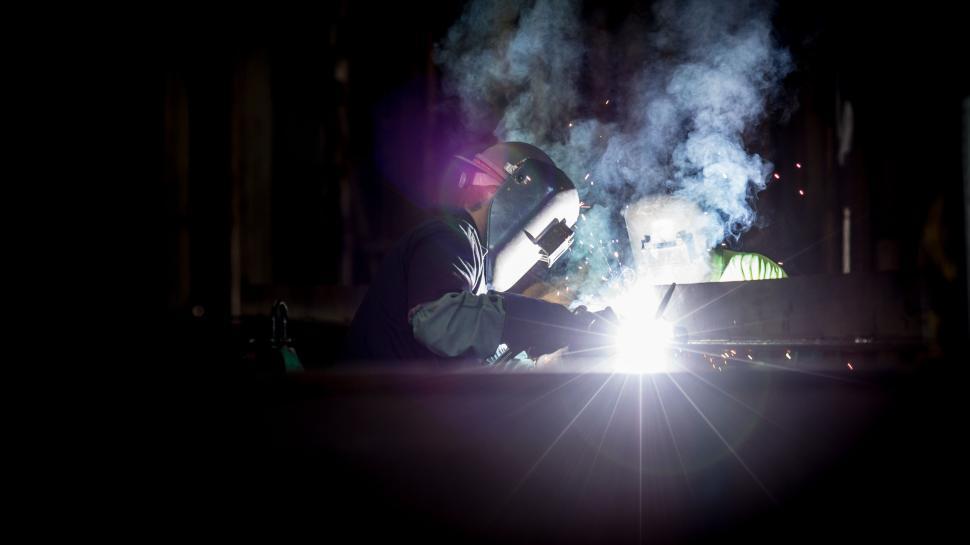



Welding involves heat, sparks, fumes, and electrical hazards.
Essential safety practices:
- Wear proper PPE (helmet, gloves, fire-resistant clothing)
- Ensure adequate ventilation or fume extraction
- Keep flammable materials away
- Follow electrical safety procedures
Safety protects both the welder and the workspace.
2. Prepare the Metal Properly
Preparation steps:
- Clean rust, paint, oil, and dirt
- Ensure proper joint fit-up
- Use correct edge preparation (beveling if needed)
Clean and well-prepared surfaces improve weld strength and quality.
3. Choose the Right Welding Process & Settings

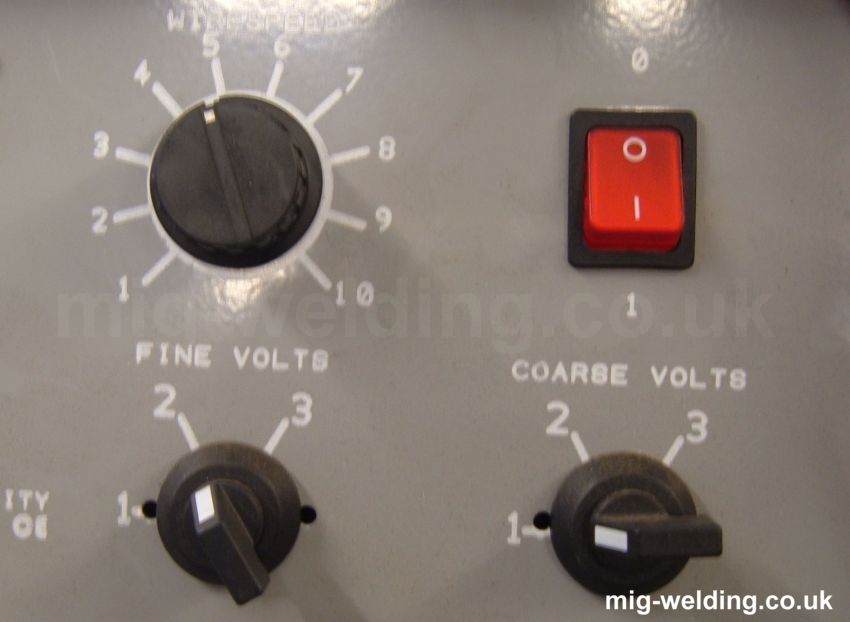


Consider:
- Material type and thickness
- Correct electrode or filler wire
- Proper voltage and amperage
- Shielding gas selection (if applicable)
Incorrect settings lead to weak or defective welds.
4. Maintain Proper Welding Technique
Key technique principles:
- Maintain correct arc length
- Keep a steady travel speed
- Hold the proper electrode angle
- Control the weld pool
Consistent technique ensures strong and uniform welds.
5. Control Heat Input
Excess heat can damage the metal and weaken joints.
Avoid:
- Warping and distortion
- Burn-through on thin metals
- Weak weld structure
Proper heat control improves weld integrity.
6. Ensure Good Weld Penetration
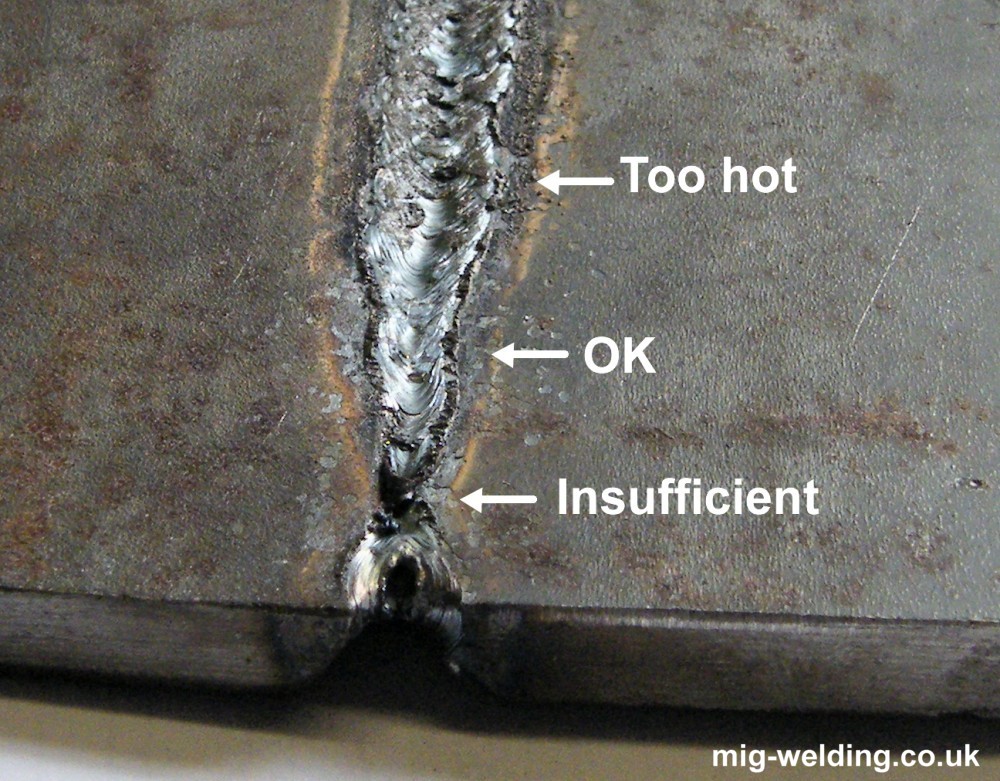


Good penetration ensures:
- Strong structural joints
- Proper fusion between metals
- Increased durability and safety
Poor penetration can lead to joint failure.
7. Inspect and Clean the Weld
After welding:
- Remove slag and spatter
- Check for cracks or defects
- Grind and finish if required
Inspection ensures quality and reliability.
8. Follow Welding Codes & Standards
Professional welding must comply with:
- Structural safety standards
- Industry-specific codes
- Inspection and testing requirements
Standards ensure weld safety and performance.
9. Practice Consistency and Patience
Quality welding requires:
- Steady hand control
- Attention to detail
- Continuous practice
Rushing leads to defects and weak joints.
Why These Rules Matter
Following welding best practices ensures:
✔ Strong and durable joints
✔ Workplace safety
✔ Professional-quality results
✔ Reduced rework and failures
✔ Compliance with safety standards
Summary
The golden rules of welding include prioritizing safety, preparing materials properly, choosing correct settings, maintaining proper technique, controlling heat, ensuring penetration, inspecting welds, and following standards. Consistency and attention to detail are essential for strong, safe, and high-quality welds.
Adhering to these principles helps welders produce reliable work and maintain professional standards.