Welding is a fabrication process that joins materials—primarily metals—by applying heat, pressure, or both. Different welding methods are used depending on material type, thickness, strength requirements, and working environment.
Below are the seven most common welding types used in industry and fabrication.
1. Shielded Metal Arc Welding (SMAW) – Stick Welding


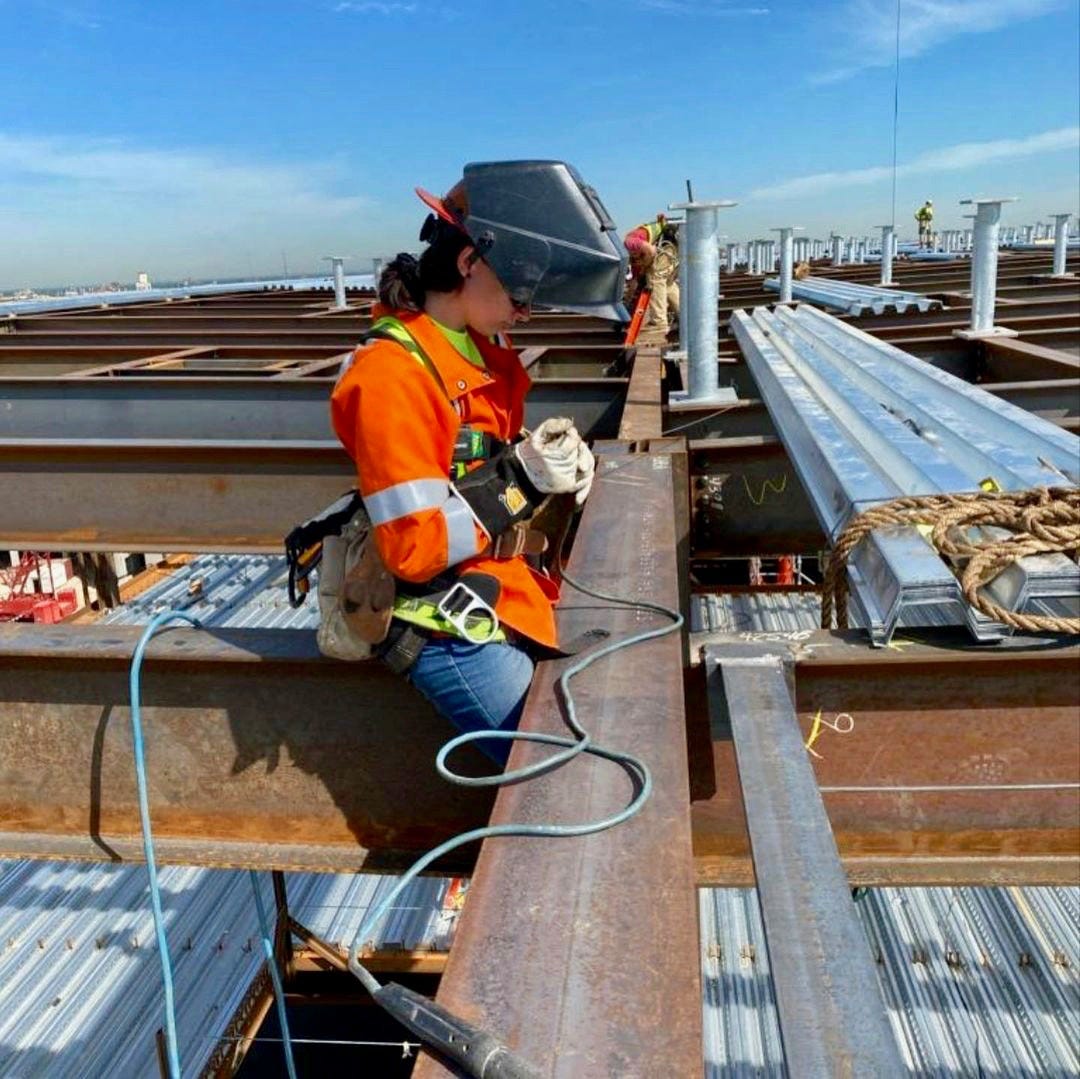

Best for: Outdoor and heavy-duty applications
Features:
- Uses a flux-coated electrode
- Works well in windy or outdoor conditions
- Suitable for thick materials
Common uses: Construction, pipelines, structural steel.
2. Gas Metal Arc Welding (GMAW) – MIG Welding
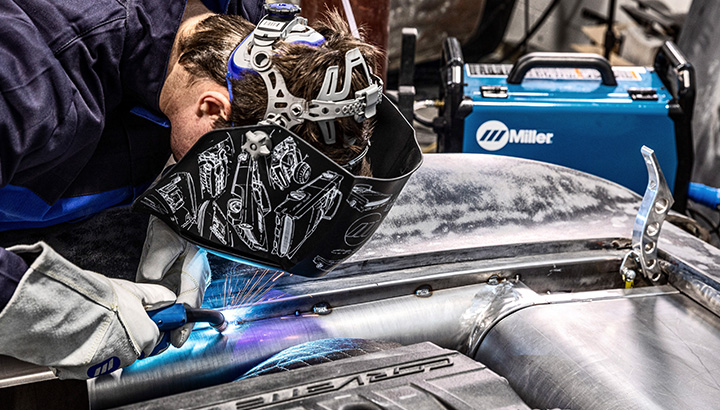
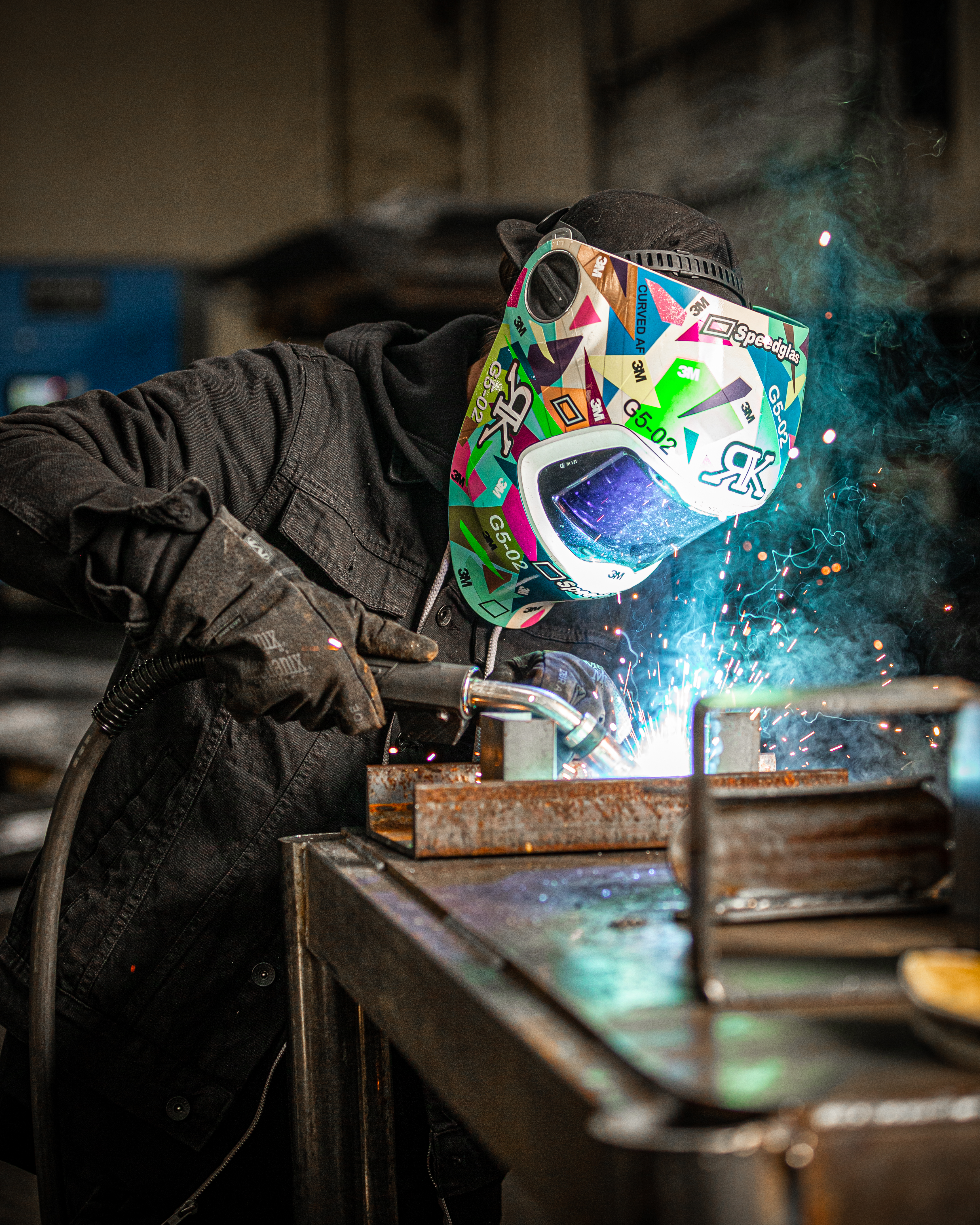


Best for: Fast and clean welding
Features:
- Continuous wire feed electrode
- Shielding gas protects weld
- Easy to learn and efficient
Common uses: Automotive work, fabrication shops, home projects.
3. Gas Tungsten Arc Welding (GTAW) – TIG Welding
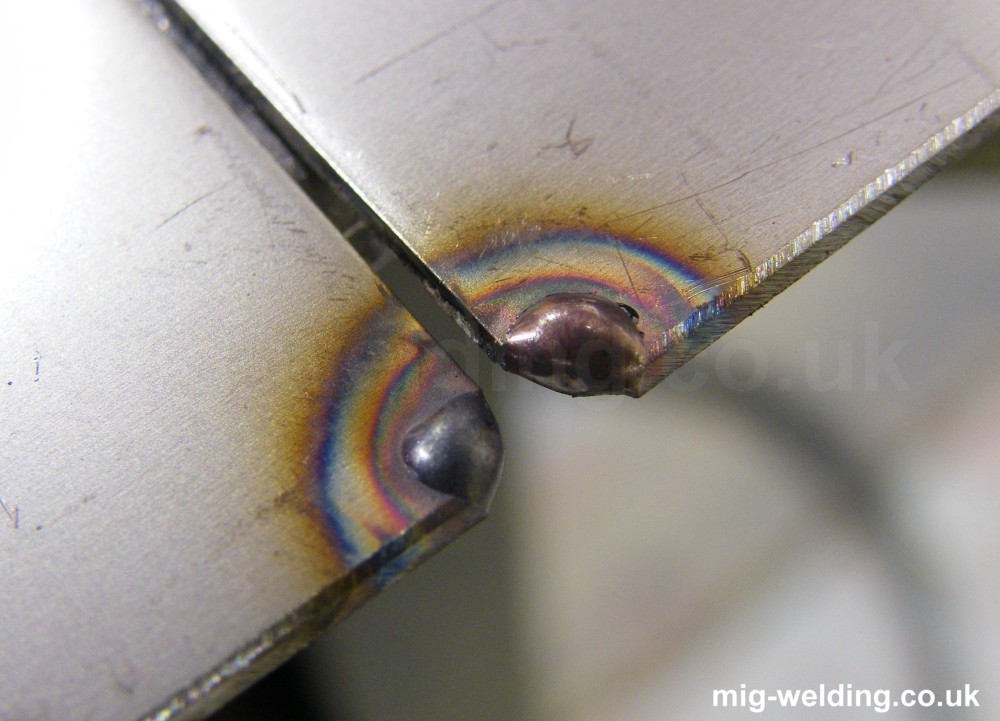


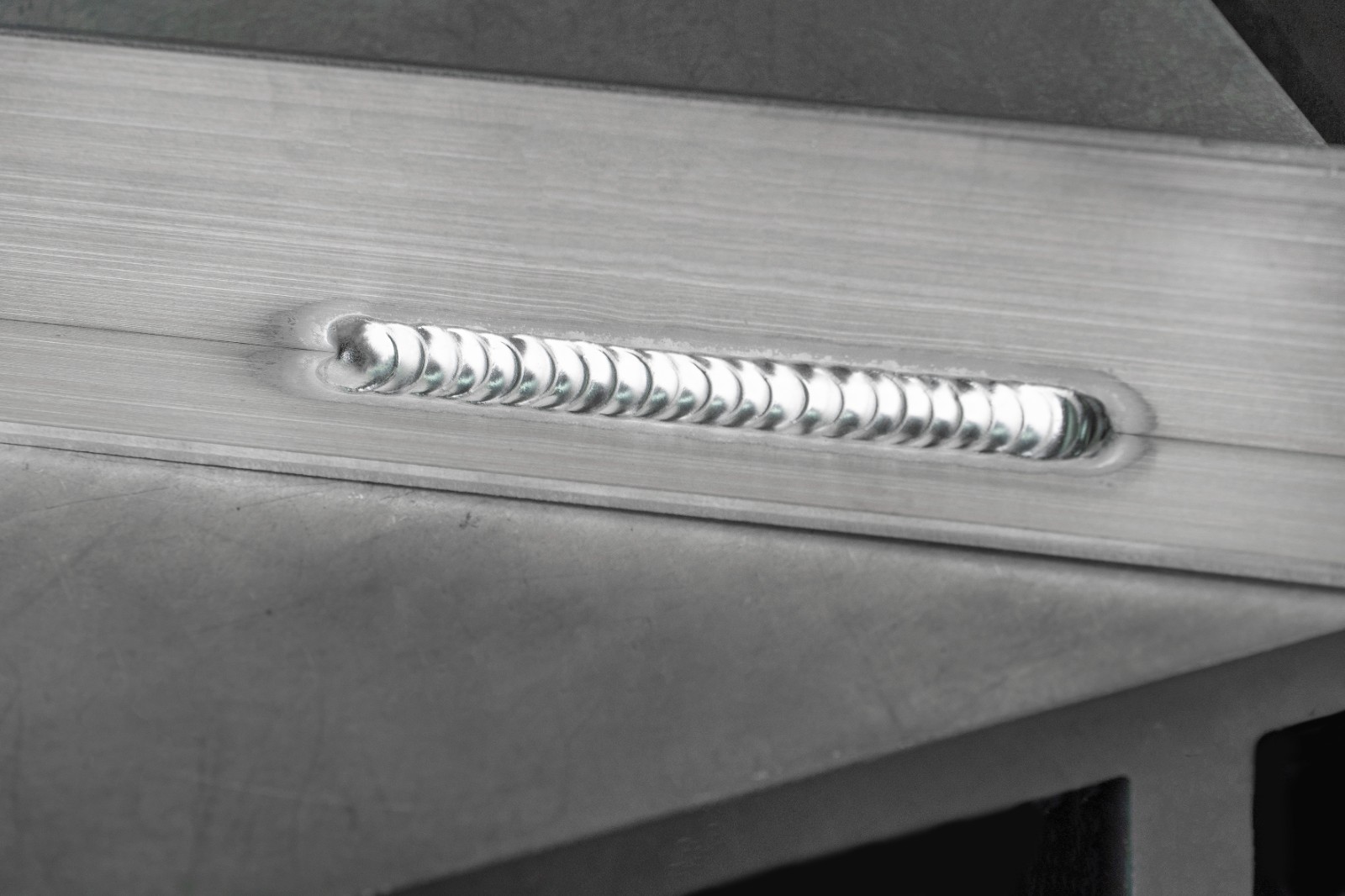
Best for: Precision and high-quality welds
Features:
- Uses non-consumable tungsten electrode
- Produces clean and strong welds
- Ideal for thin metals
Common uses: Aerospace, stainless steel, artistic metalwork.
4. Flux-Cored Arc Welding (FCAW)


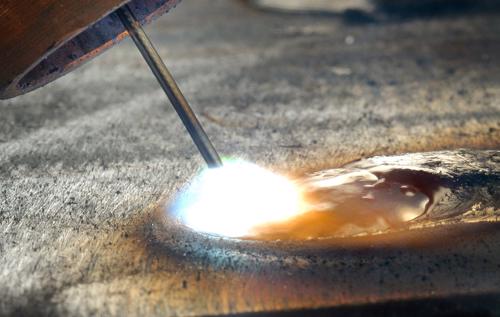
Best for: Heavy-duty and outdoor welding
Features:
- Tubular wire filled with flux
- High welding speed
- Suitable for thick materials
Common uses: Shipbuilding, heavy fabrication, construction.
5. Oxy-Acetylene Welding (Gas Welding)
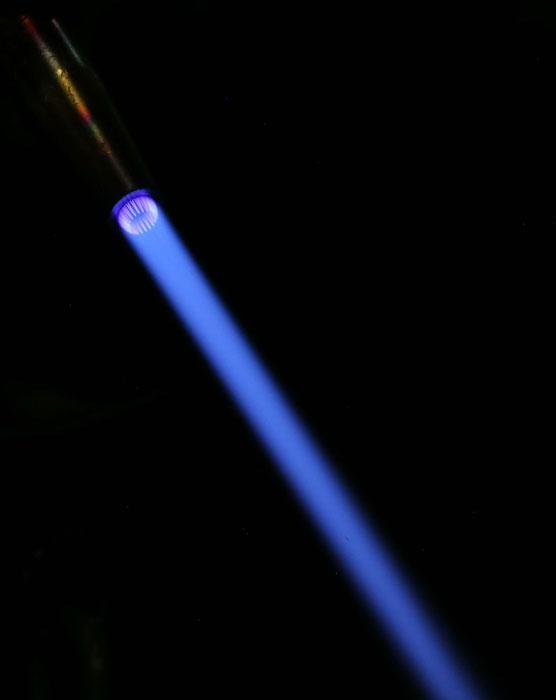
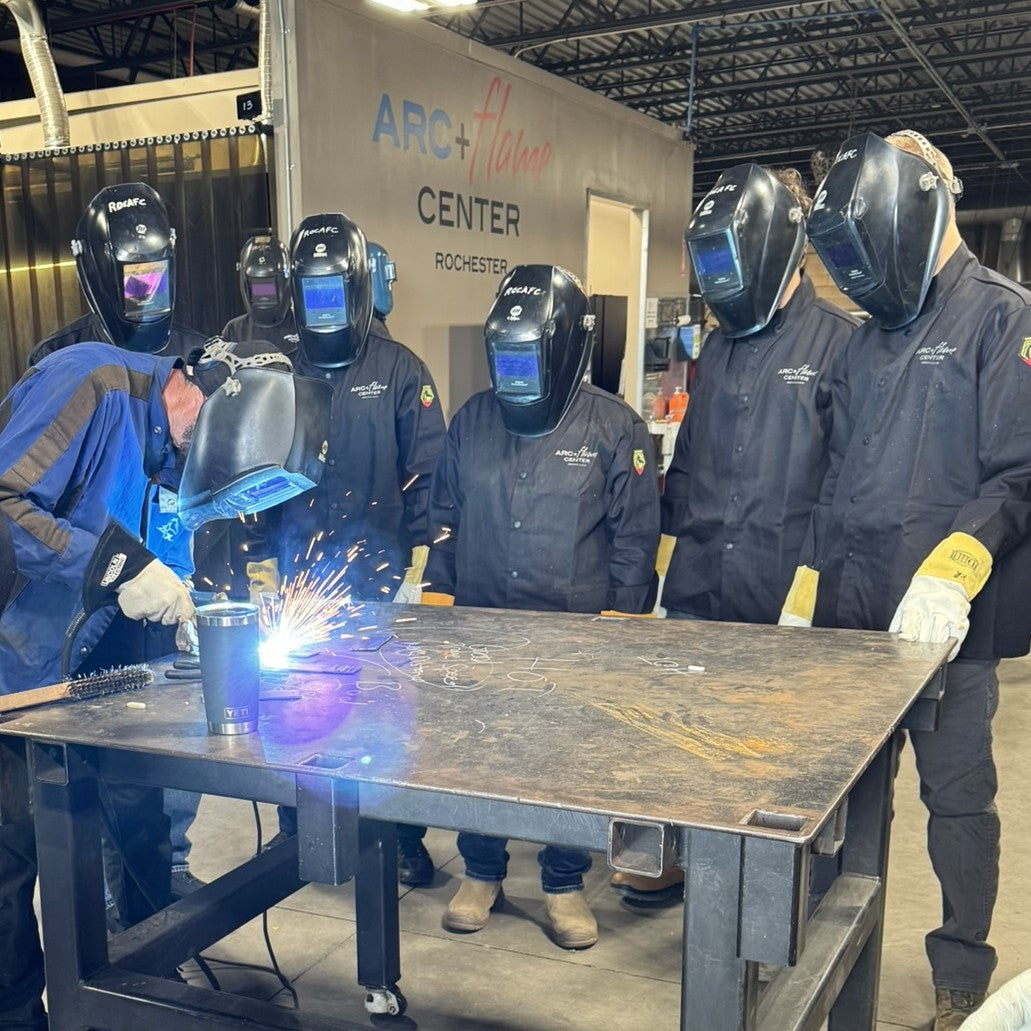
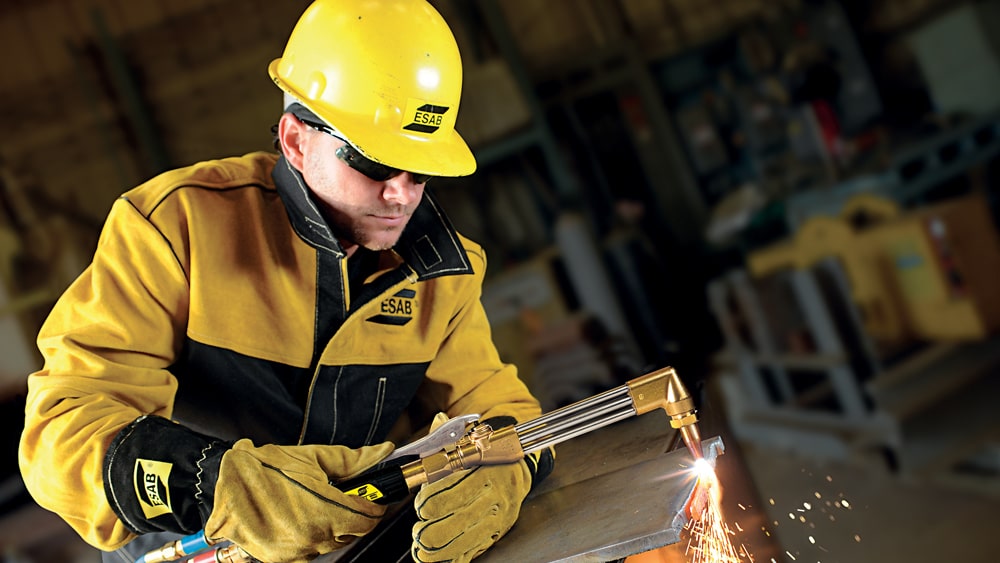

Best for: Repair work and metal cutting
Features:
- Uses oxygen and acetylene flame
- Portable and versatile
- Suitable for thin metals
Common uses: Maintenance, plumbing, repair work.
6. Submerged Arc Welding (SAW)
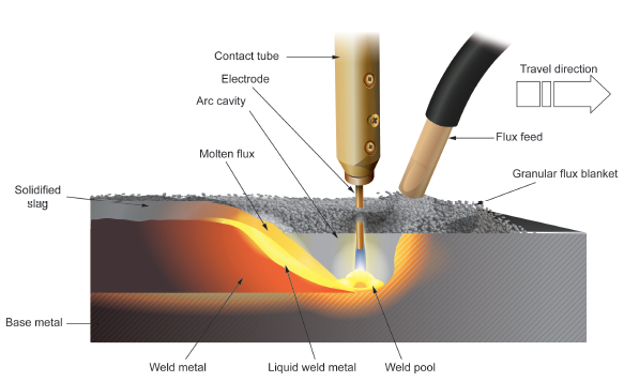
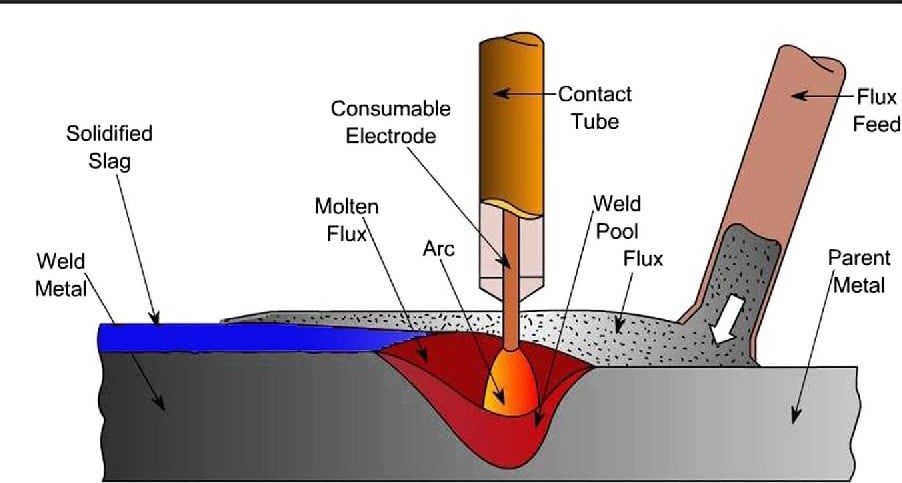
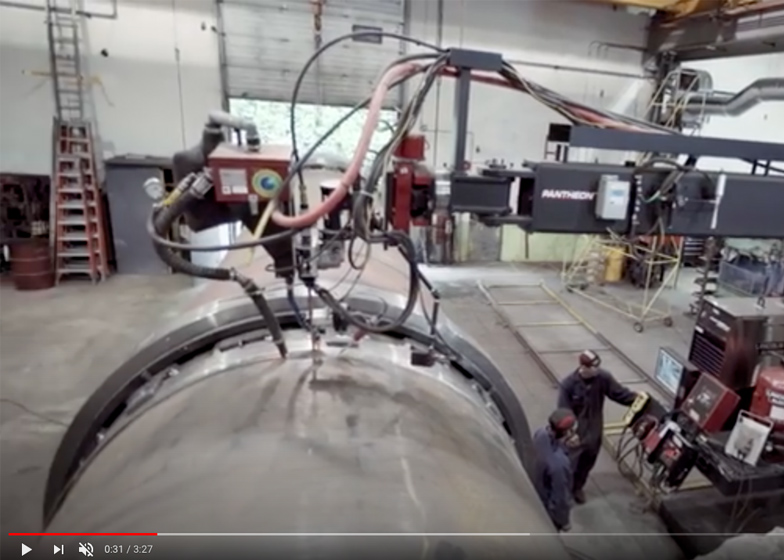

Best for: Industrial and automated welding
Features:
- Arc is covered by granular flux
- Deep weld penetration
- High productivity
Common uses: Shipbuilding, pressure vessels, heavy steel fabrication.
7. Resistance Welding (Spot Welding)

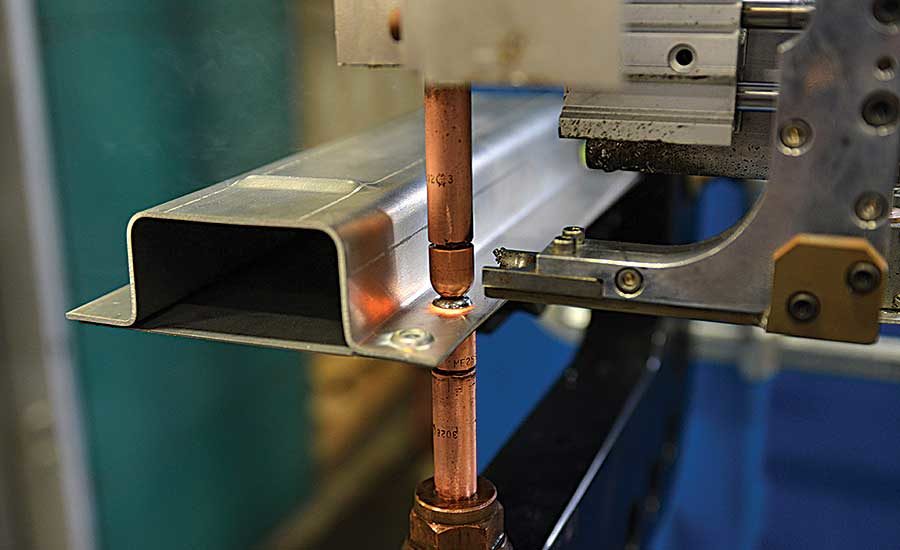
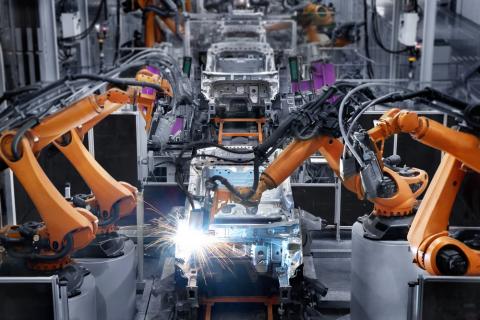
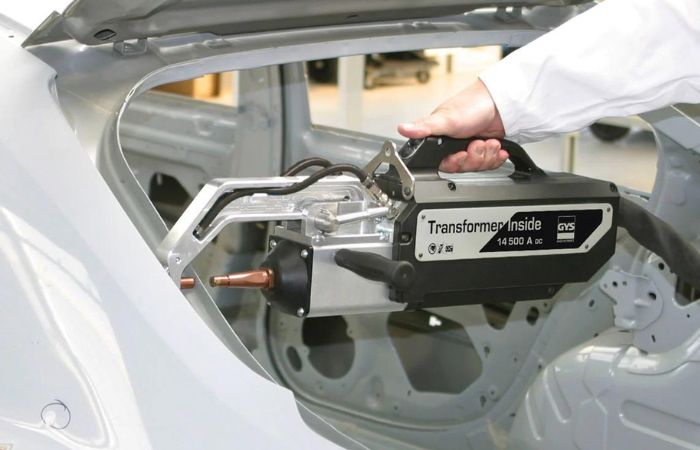
Best for: Joining thin metal sheets
Features:
- Uses electrical resistance and pressure
- Quick and efficient
- Minimal filler material required
Common uses: Automotive manufacturing, sheet metal fabrication.
Quick Comparison
| Welding Type | Best For | Skill Level | Common Industries |
|---|---|---|---|
| SMAW (Stick) | Outdoor & structural | Moderate | Construction |
| MIG (GMAW) | Fast fabrication | Easy | Automotive |
| TIG (GTAW) | Precision work | Advanced | Aerospace |
| FCAW | Heavy-duty welding | Moderate | Shipbuilding |
| Gas Welding | Repairs & thin metal | Basic | Maintenance |
| SAW | Industrial fabrication | Advanced | Heavy industry |
| Resistance | Sheet metal joining | Moderate | Automotive |
Summary
The seven basic types of welding include Stick (SMAW), MIG (GMAW), TIG (GTAW), Flux-Cored (FCAW), Oxy-Acetylene, Submerged Arc Welding (SAW), and Resistance (Spot) Welding. Each method serves specific purposes based on material type, working conditions, and project requirements.
Understanding these welding processes helps fabricators choose the right method for strength, efficiency, and durability.