304 stainless steel is the most widely used and versatile grade in the stainless-steel family. Known for its durability, corrosion resistance, and ease of fabrication, it is commonly used across household, commercial, and industrial applications.
Chemical Composition
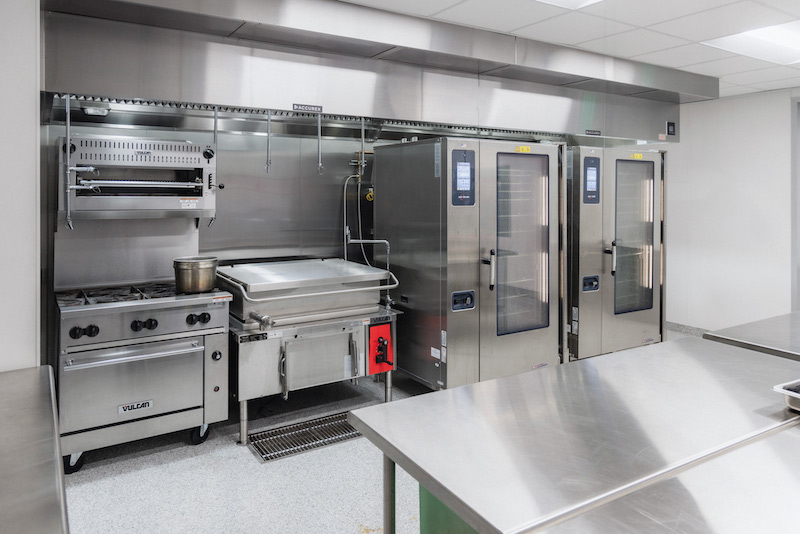

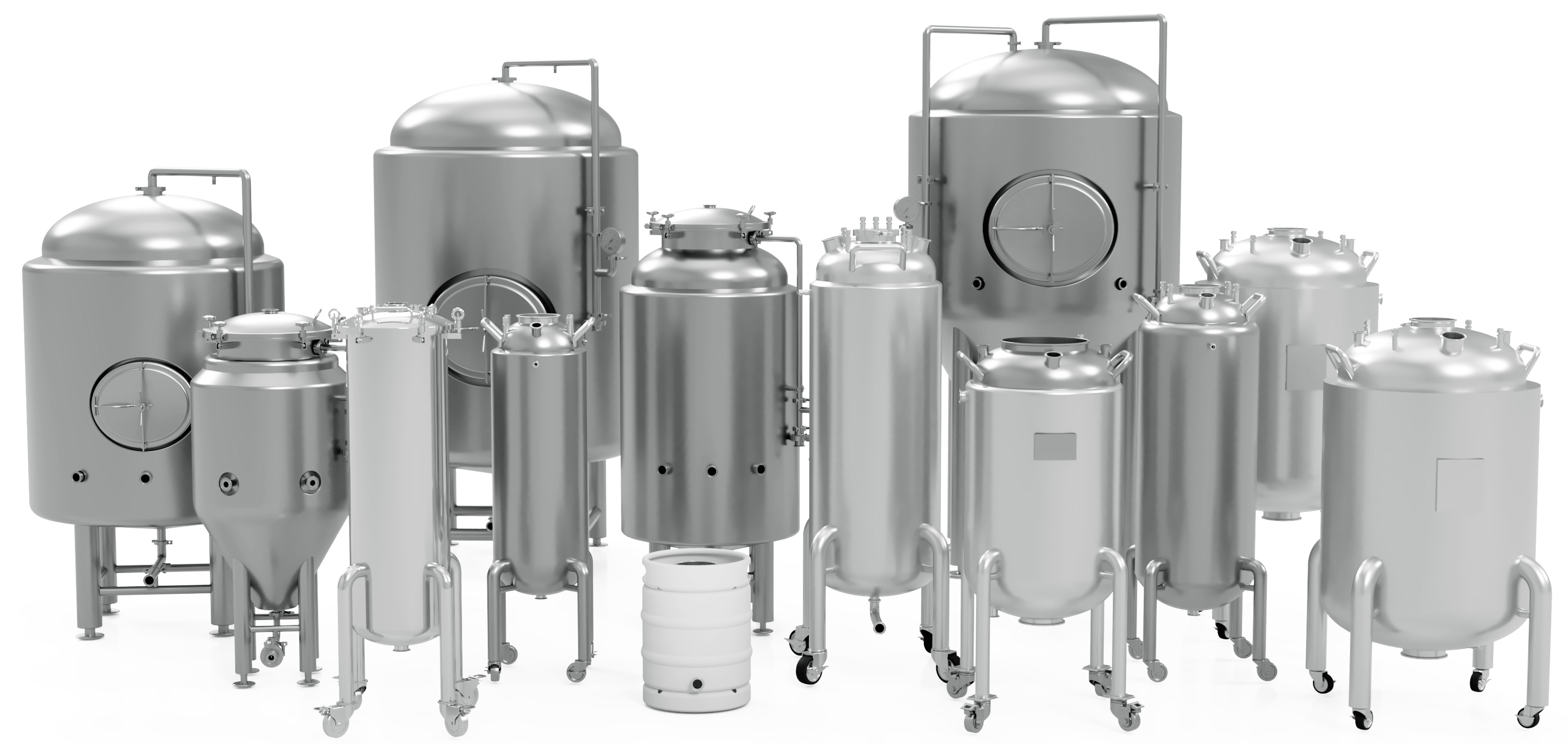

304 stainless steel belongs to the austenitic stainless steel group.
Typical composition:
- Chromium: ~18%
- Nickel: ~8%
- Carbon: Low (≤ 0.08%)
- Molybdenum: ❌ Not present
The chromium content forms a protective oxide layer, while nickel enhances corrosion resistance and toughness.
Key Properties
1. Corrosion Resistance
- Excellent resistance to atmospheric corrosion
- Resistant to water and many chemicals
- Performs well in humid environments
✔ Ideal for indoor and general outdoor use.
2. Strength & Durability
- Good strength and toughness
- Maintains performance at high and low temperatures
- Resistant to impact and wear
3. Formability & Fabrication
- Easy to bend, cut, and shape
- Excellent weldability
- Suitable for deep drawing and forming
This makes it ideal for complex designs and fabrication.
4. Hygienic & Non-Reactive Surface
- Smooth, non-porous surface
- Easy to clean and sanitize
- Resistant to bacterial growth
Widely used in food and medical environments.
Common Applications
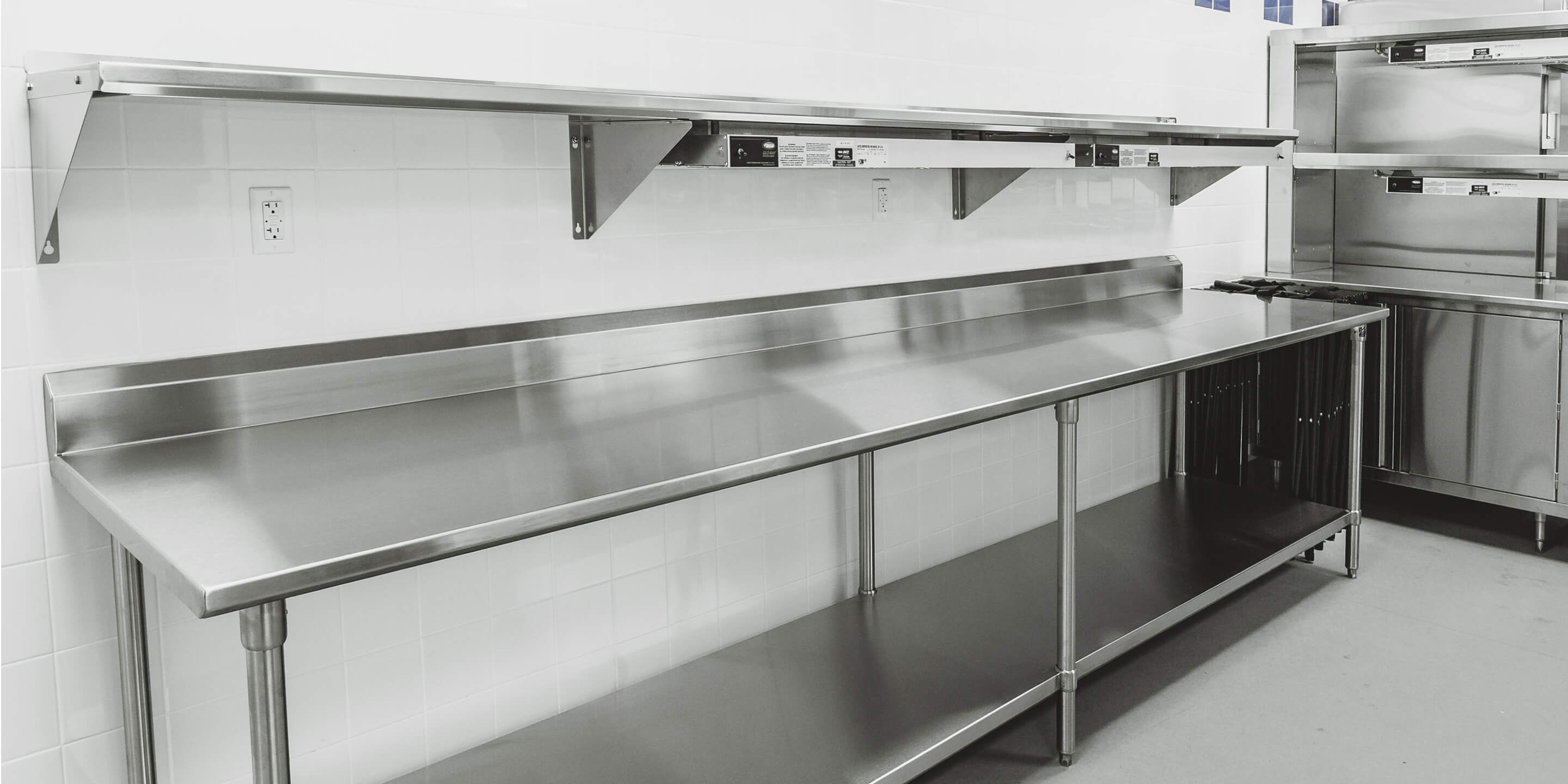

Household & architectural uses:
- Kitchen sinks and appliances
- Railings and decorative panels
- Water storage tanks
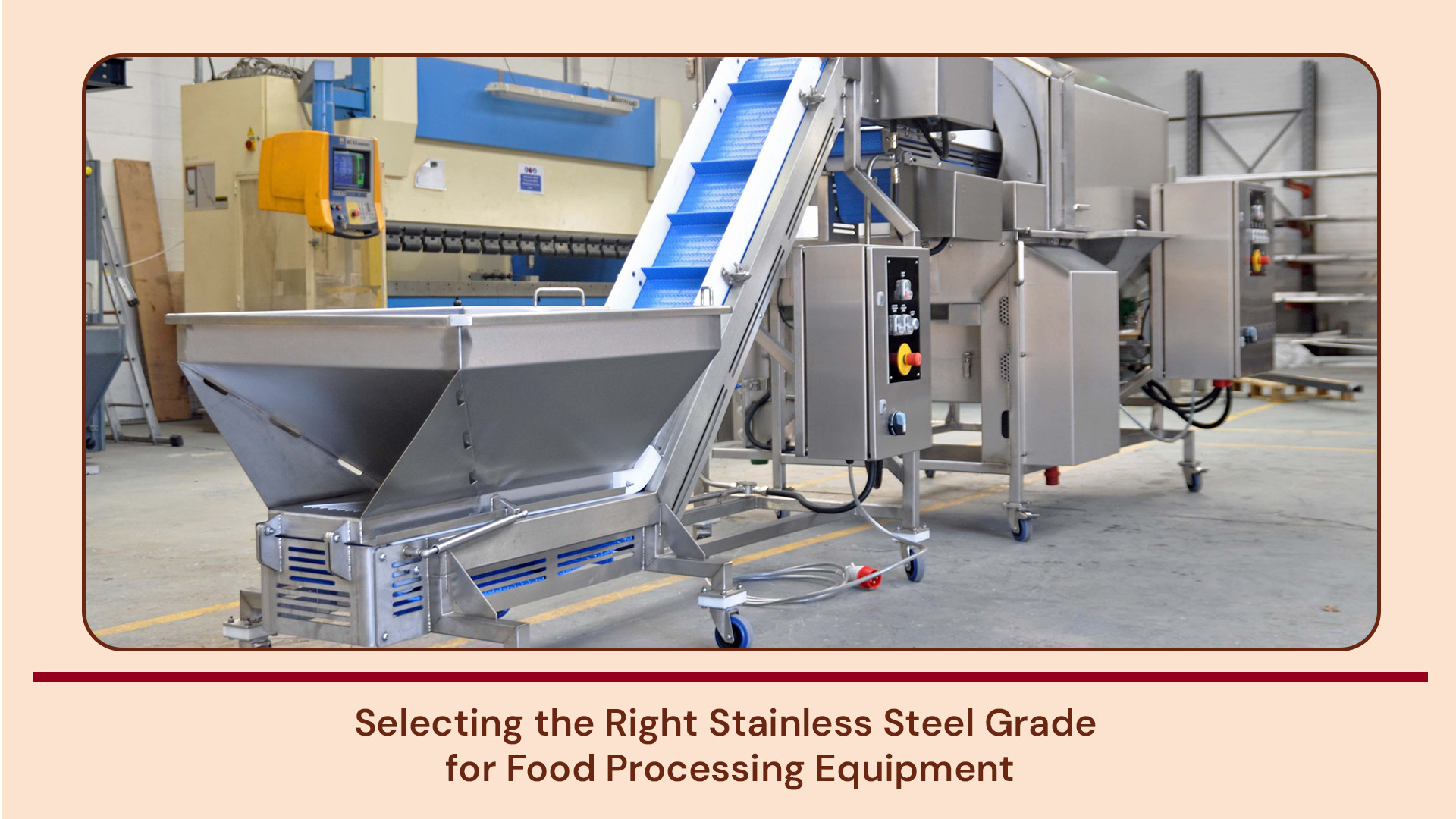
Industrial & commercial uses:
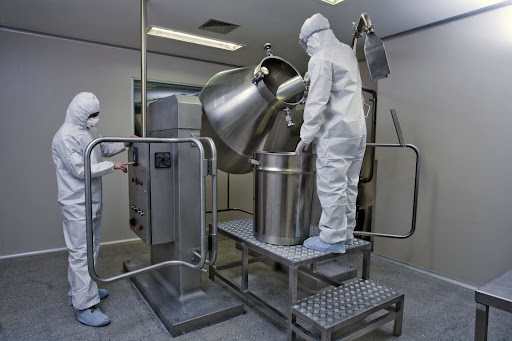
- Food processing equipment
- Pharmaceutical and medical equipment
- Chemical containers
- Heat exchangers and piping
Its versatility makes it suitable for many industries.
Limitations of 304 Stainless Steel
While highly versatile, it has some limitations:
- Less resistant to chlorides and saltwater
- Not ideal for marine environments
- Can develop pitting corrosion in high-salt conditions
👉 For coastal or marine use, 316 stainless steel is preferred.
304 vs 316 Stainless Steel
| Feature | 304 Stainless | 316 Stainless |
|---|---|---|
| Chromium | ~18% | ~16–18% |
| Nickel | ~8% | ~10–14% |
| Molybdenum | ❌ | ✔ Yes |
| Saltwater resistance | Moderate | Excellent |
| Cost | Lower | Higher |
Why 304 Stainless Steel Is So Popular
✔ Excellent corrosion resistance
✔ Easy fabrication and welding
✔ Hygienic and easy to maintain
✔ Attractive finish
✔ Cost-effective compared to higher grades
Summary
304 stainless steel is the most widely used stainless alloy, containing approximately 18% chromium and 8% nickel, with no molybdenum. It offers excellent resistance to atmospheric corrosion, water, and many chemicals, along with strong durability and ease of fabrication.
Because of its versatility, hygiene, and cost-effectiveness, 304 stainless steel is widely used in kitchens, construction, food processing, and industrial equipment.