The 1G through 6G welding positions are standardized classifications used to test and qualify a welder’s skill in performing groove welds (the “G”). These positions define the orientation of the workpiece and the welder’s movement, progressing from the easiest flat position to the most challenging fixed pipe weld.
Mastery of these positions demonstrates a welder’s ability to control molten metal and maintain weld quality in different planes.
What Does the “G” Stand For?
- G = Groove weld (joining two metal pieces with a groove joint)
- Common in structural welding, pipelines, and pressure vessels
Overview of Welding Positions
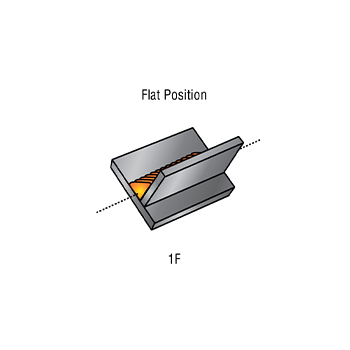
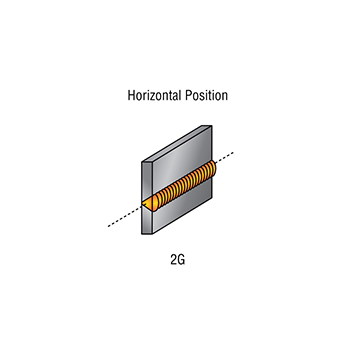


Welding positions are categorized based on how gravity affects the molten weld pool.
1G Position — Flat Position
Difficulty level: Easiest
Description:
- Workpiece lies flat
- Welding performed from above
- Gravity helps control molten metal
Common use:
- Plate welding practice
- Structural fabrication
👉 Ideal for beginners.
2G Position — Horizontal Position
Difficulty level: Moderate
Description:
- Workpiece is vertical
- Weld runs horizontally
- Requires control to prevent sagging
Used in:
- Structural steel joints
- Industrial fabrication
3G Position — Vertical Position
Difficulty level: Challenging
Description:
- Weld runs vertically
- Can be vertical-up or vertical-down
- Requires strong control of weld pool
Used in:
- Structural construction
- Heavy fabrication
4G Position — Overhead Position
Difficulty level: Advanced
Description:
- Welding performed from underside of joint
- Gravity pulls molten metal downward
- Requires precision and control
Used in:
- Structural repairs
- Shipbuilding and construction
Pipe Welding Positions (5G & 6G)
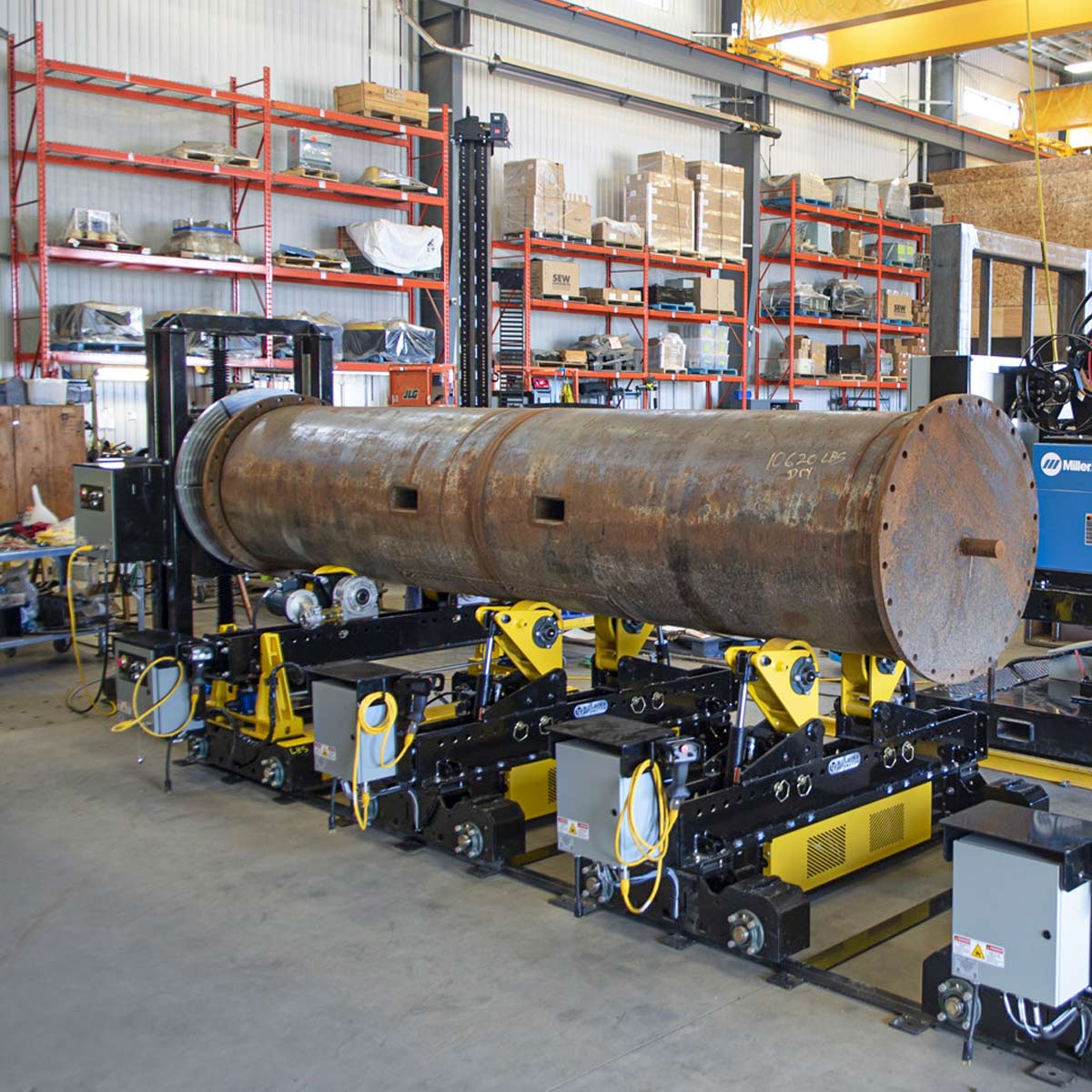


Pipe welding positions are more complex because the pipe cannot be rotated.
5G Position — Horizontal Fixed Pipe
Difficulty level: Advanced
Description:
- Pipe is fixed horizontally
- Welder moves around the pipe
- Includes vertical and overhead welding sections
Used in:
- Pipelines
- Industrial piping systems
6G Position — 45° Fixed Pipe
Difficulty level: Most difficult
Description:
- Pipe fixed at a 45-degree angle
- Requires welding in all positions
- Tests full positional welding skills
Used in:
- Oil & gas pipelines
- Power plants
- High-pressure pipe systems
👉 Considered the ultimate welding qualification.
Difficulty Comparison
| Position | Orientation | Skill Level |
|---|---|---|
| 1G | Flat | Beginner |
| 2G | Horizontal | Intermediate |
| 3G | Vertical | Advanced |
| 4G | Overhead | Advanced |
| 5G | Fixed horizontal pipe | Expert |
| 6G | 45° fixed pipe | Master level |
Why Welding Positions Matter
Mastering multiple positions allows welders to:
✔ Work in real-world construction environments
✔ Qualify for high-paying pipeline jobs
✔ Perform structural and industrial welding
✔ Ensure weld strength and safety
Certification in higher positions improves employability.
Summary
The 1G–6G welding positions classify groove welds based on workpiece orientation and welding difficulty. Starting with the flat 1G position and progressing to the highly challenging 6G fixed pipe position, these standards test a welder’s ability to control molten metal and produce strong welds in multiple planes.
Achieving proficiency in all positions demonstrates advanced skill and opens opportunities in high-demand industrial sectors.